 Art
Art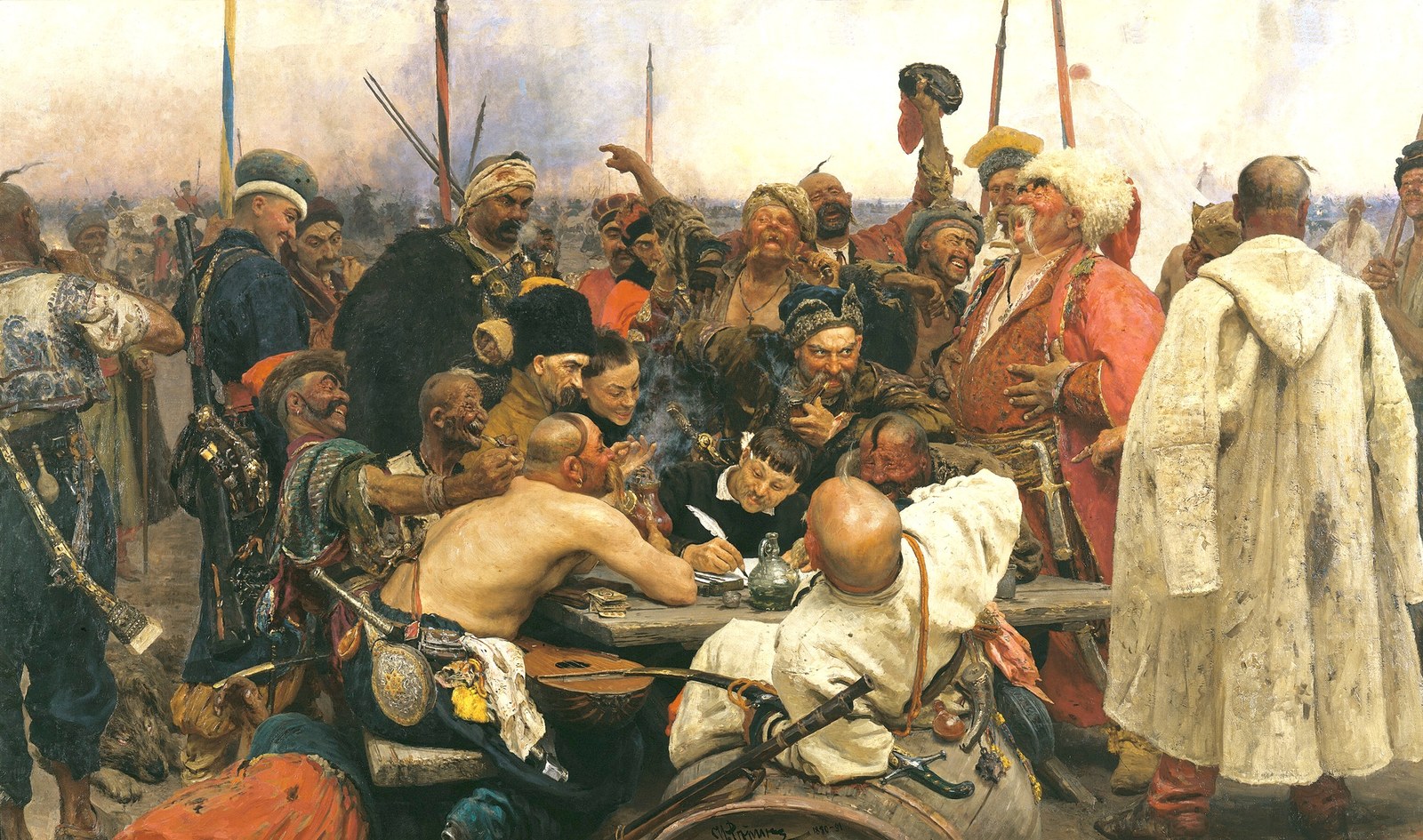
St. Petersburg art covers both the imperial court culture of Russia's purpose-built capital and the realist rebellion that eventually rejected it. Founded by Peter the Great in 1703 as a deliberately European window onto the West, the city filled with Italian and French architects, and its rulers, especially Catherine the Great, assembled one of the world's great art collections at the Hermitage while founding the Imperial Academy of Arts to train Russian painters in Western academic method: mythology, history painting, idealized form. By the 1860s a group of Academy graduates rejected that program outright, resigning from a mandatory competition in what became known as the Revolt of the Fourteen, and forming the Peredvizhniki, or Wanderers, who painted unvarnished scenes of peasant poverty, clergy, and rural Russia and toured the results in traveling exhibitions to audiences the Academy had never reached. The two St. Petersburgs, gilded imperial and socially conscious realist, developed in the same city, often in the same buildings, one generation apart.
What marks the region
Academic history painting
Large-scale mythological, biblical and historical scenes taught at the Imperial Academy, prized before the realist revolt.
Peasant and clergy subjects
Unidealized rural laborers, itinerant clergy, and provincial townsfolk treated as serious subject matter.
Traveling exhibition format
Realist works toured provincial Russian cities rather than hanging only in the capital's academy halls.
Gilded imperial interiors
Court portraiture and palace decoration reflecting Baroque and Neoclassical European models imported wholesale.
Northern gray-gold light
Long winter dusks and white nights shape both court painting and later realist tonality.
Social conscience narrative
Genre scenes built around implied moral or political comment on serfdom, poverty, and reform.
Local signatures
How to spot St. Petersburg art
- Birch tree and muddy road
- → A recurring motif for provincial rural Russia in realist painting.
- Icon corner in a peasant interior
- → Devotional shorthand marking Orthodox rural domestic life in genre scenes.
- Gilded double-headed eagle
- → The imperial court emblem, appearing across palace and Academy decoration.
- Granite river embankment
- → A quay motif standing for the planned, European-facing capital itself.
- Rope-hauling laborer figure
- → A straining, roped figure symbolizing realist-era social conscience.
- White night sky
- → Pale, sourceless midsummer light distinct to the city's northern latitude.
The story
Peter the Great founded St. Petersburg in 1703 on captured Swedish marshland, forcing his court to relocate from Moscow and deliberately importing European architects, sculptors, and painting academies to remake Russia in a Western image. His successors, especially Catherine the Great, poured huge sums into art: the Hermitage began in 1764 as her private collection and grew into one of the largest museums on Earth, while the Imperial Academy of Arts trained generations of Russian painters in strict academic method centered on mythology and history painting. That system finally cracked in 1863, when fourteen top Academy students refused a mandatory competition on a mythological theme and walked out, forming an independent artists' cooperative. Within a decade this group evolved into the Peredvizhniki, the Wanderers, who rejected imported subject matter for Russian peasant life, provincial towns, and social critique, and organized their own traveling exhibitions across the empire, building an audience for Russian art entirely outside the Academy's control.
Masterpieces of the place
| Work | Artist | Date | Why it matters |
|---|---|---|---|
| Barge Haulers on the Volga | Ilya Repin | 1873 | A Wanderers landmark of laboring poverty exhibited to acclaim in the capital. |
| The Bronze Horseman | Étienne Maurice Falconet | 1782 | The imperial equestrian monument to Peter the Great anchoring the city's founding myth. |
| Winter Palace | Bartolomeo Rastrelli | 1754-1762 | A Baroque palace forming the core of the Hermitage, the epitome of imperial splendor. |
| Religious Procession in Kursk Province | Ilya Repin | 1883 | A Wanderers critique of clergy and crowd hierarchy through crushing realist detail. |
| The Rooks Have Returned | Alexei Savrasov | 1871 | A founding Wanderers landscape credited with launching Russian mood-landscape painting. |
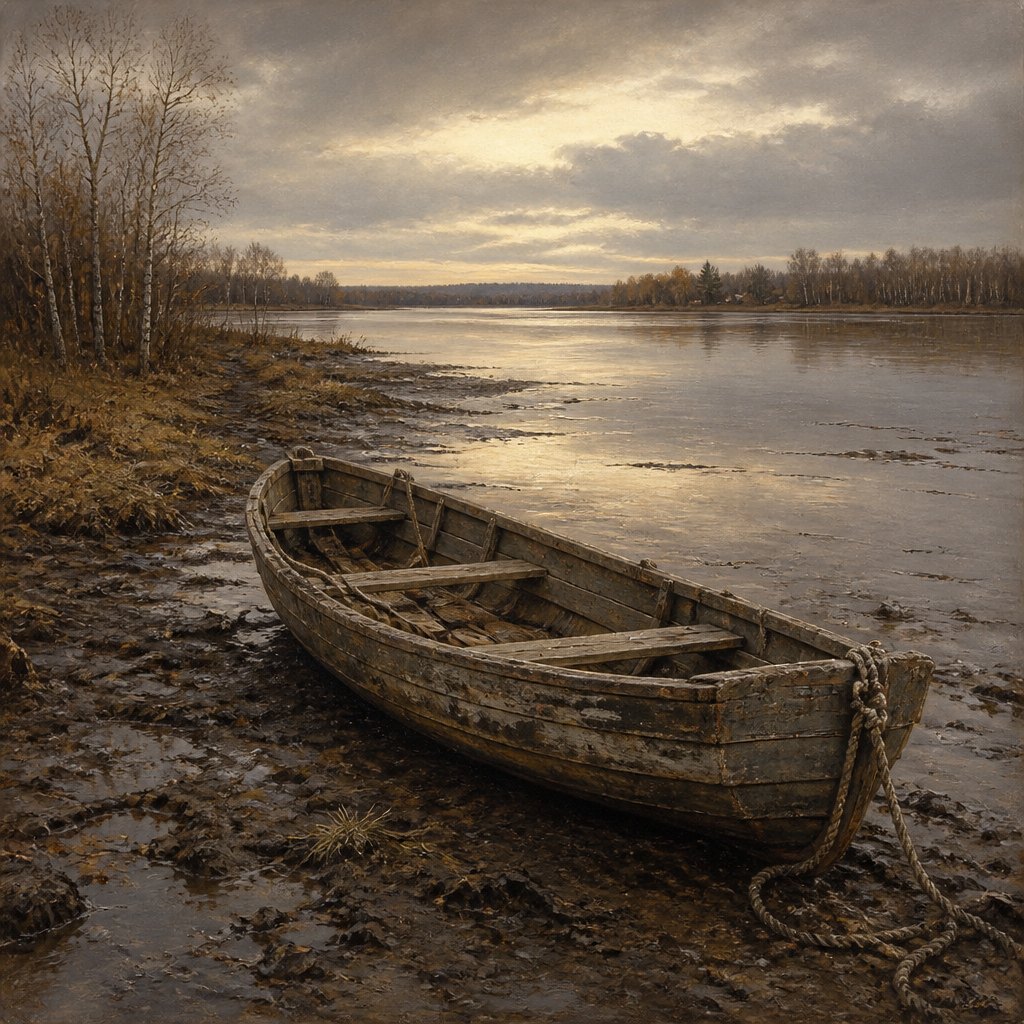 AI-generated
Work en plein air
Paint in the light of St. Petersburg
This example was generated from a prompt like: “A weathered wooden rowboat pulled onto a muddy riverbank beneath a pale gray-gold northern sky, painted in unvarnished realist detail, worn rope and damp timber texture, distant birch trees at the horizon, overcast provincial light.”
Open the St. Petersburg Imperial Art Style generator →The place today
The Hermitage remains one of the world's largest and most visited museums, its imperial palace rooms unchanged behind millions of artworks added since Catherine's day. The Russian Museum, opened in 1898, now holds the deepest collection of Wanderers realism, from Repin to Savrasov. St. Petersburg's art academies still train painters in rigorous academic technique, a direct institutional line back to the 18th century, even as the city's contemporary scene has grown far more experimental in recent decades.
Compose your own
Choose one of two very different registers. For the imperial mode, work large and formal: symmetrical composition, gilded ornament, rich reds and golds, a posed and idealized central figure lit like a stage portrait. For the realist mode, do the opposite: pick an ordinary rural or working subject, resist flattering it, and use overcast northern light to render texture honestly rather than dramatically — worn cloth, mud, tired posture. Traveling exhibition realism favored narrative clarity over painterly flourish, so keep the story of the image legible at a glance. Either way, ground the palette in the region's cool gray-gold light rather than warm southern sun.
Frequently asked questions
Who were the Peredvizhniki or Wanderers?
A cooperative of Russian realist painters formed in the 1870s after breaking from the Imperial Academy of Arts, known for depicting peasant life, provincial Russia, and social themes, and for touring their work in traveling exhibitions.
Why does St. Petersburg have such an imperial art collection?
Peter the Great founded the city to Westernize Russia, and later rulers, especially Catherine the Great, spent enormous sums acquiring European art for the Hermitage, turning a royal residence into one of the world's great museums.
What caused the split between academic and realist Russian art?
In 1863, fourteen Academy students refused a mandatory competition on a fixed mythological subject and resigned in protest, an event known as the Revolt of the Fourteen, which led directly to the independent Wanderers movement.
Is the Hermitage still an active collection?
Yes, it remains one of the largest museums in the world, spanning several connected palace buildings along the river embankment, with holdings that have expanded continuously since Catherine the Great's original 18th-century acquisitions.