 Art
Art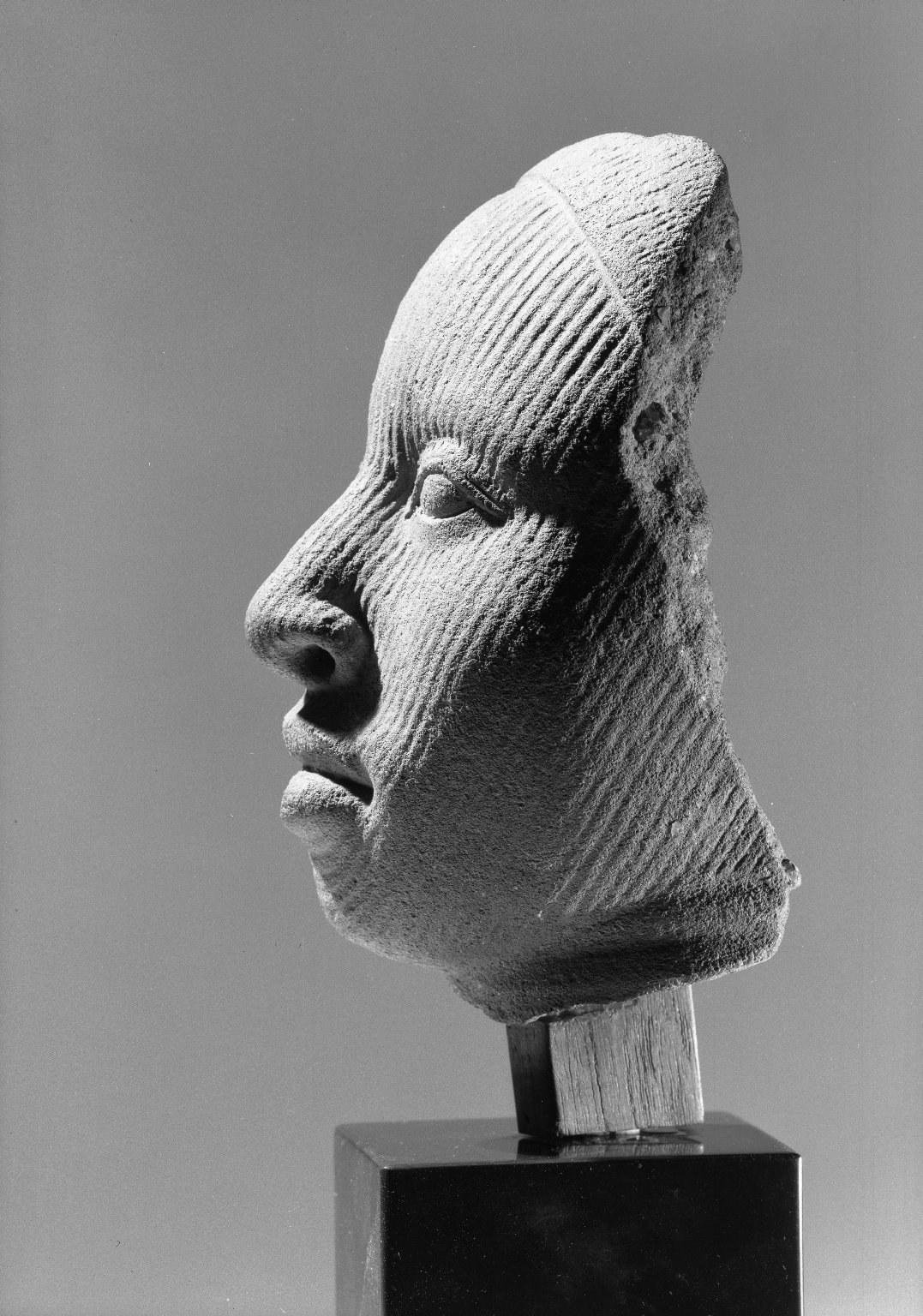
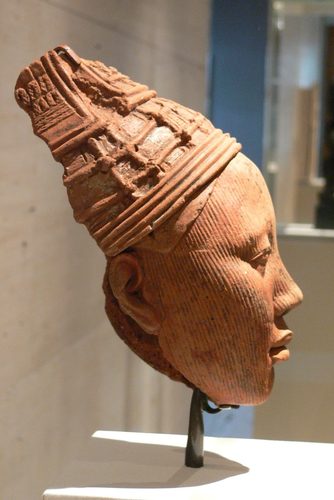
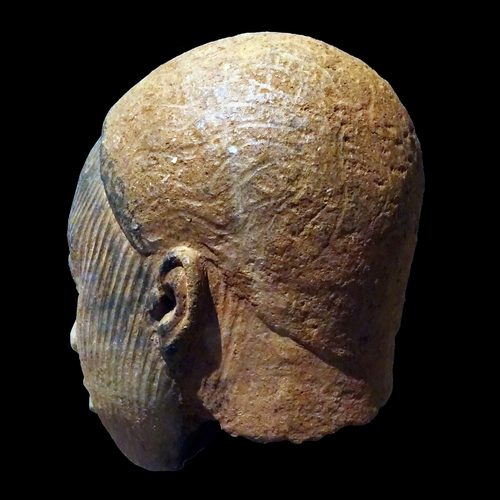
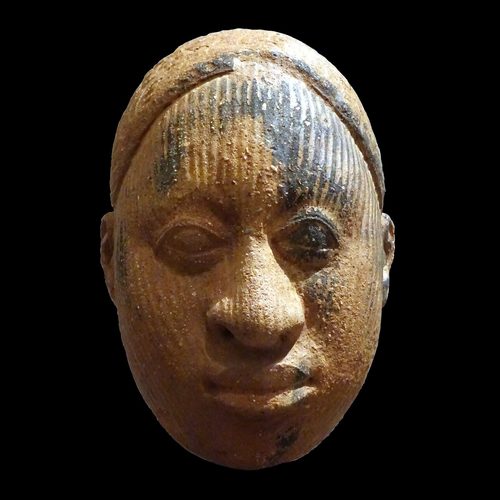
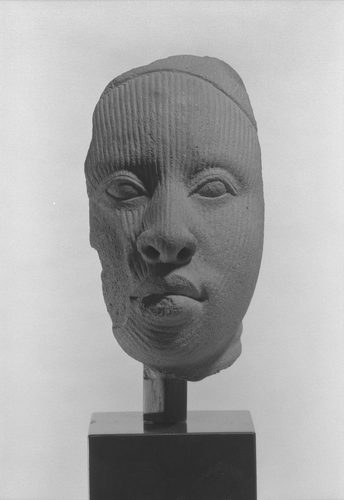
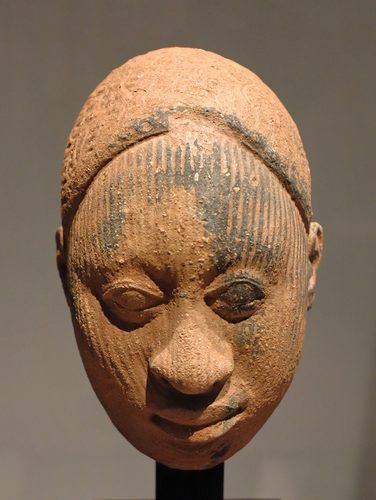
Ife, known to the Yoruba as Ile-Ife, is regarded as the spiritual origin point of Yoruba civilization and the seat of the Ooni, its sacred ruler. Between roughly the 12th and 15th centuries, sculptors there produced an unusually naturalistic body of work in terracotta and copper alloy, life-sized heads and figures with smooth, idealized features far removed from the more angular or abstracted forms typical of much African sculpture from the same era. Most heads show fine vertical striations across the face, thought to represent beaded veils worn by rulers during ceremony, or possibly ritual scarification, and many have holes around the hairline likely meant to hold real hair, beaded crowns, or attached regalia. The technical sophistication of the copper-alloy castings, thin-walled, precisely modeled, produced by the lost-wax method, matches or exceeds contemporary European bronze work. Oral tradition and later court history in Benin credit Ife as the origin of West African bronze casting, with a master caster said to have carried the technique east in the late 13th century. Ife's material culture also includes evidence of local glass-bead production, pointing to a wealthy trade center capable of sustaining such specialized artistic labor.
What marks the region
Naturalistic idealization
Faces are rendered with smooth, symmetrical, closely observed proportions unusual for the period, favoring calm idealized likeness over the abstraction common elsewhere in early African sculpture.
Thin-walled lost-wax casting
Copper-alloy heads were cast with remarkably thin, even walls through the lost-wax method, requiring precise control of molten metal that ranks among the era's most technically advanced metalwork.
Terracotta modeling tradition
Alongside metal casting, sculptors modeled comparable heads and figures in grog-tempered clay, fired in open kilns, likely a parallel or preparatory practice to the metal works.
Beaded veil striations
Fine parallel grooves across the face are thought to depict strings of beads worn as a veil by rulers during ceremony, obscuring the face rather than simply decorating it.
Composite construction
Many heads have holes around the hairline and neck suggesting they were fitted with real hair, textile, or wooden bodies, meaning the surviving metal or clay component was only part of a larger figure.
Royal and ritual function
Heads and figures are associated with the palace and shrine ritual, believed to represent past Ooni or deities rather than individual portrait sitters in a Western sense.
Local signatures
How to spot Ife art
- Vertical face striations
- → Fine parallel grooves across cheeks and forehead, read as a beaded veil marking royal or ceremonial status.
- Beaded crown with plume
- → An elaborate crown denotes divine kingship and links the wearer to the Yoruba concept of spiritual authority, ase.
- Serene idealized expression
- → A calm, symmetrical face standing for royal or divine dignity rather than the likeness of one named individual.
- Hairline attachment holes
- → Small perforations around the head's edge, evidence that real hair, beads, or fabric were once fitted to the sculpture.
- Neck rings
- → Layered rings around the throat, a marker of status and physical idealization found across Ife's royal figures.
- Staff or scepter in hand
- → Held regalia identifying a figure as a ruler or title-holder rather than an ordinary attendant.
The story
Ile-Ife's naturalistic terracotta and copper-alloy sculpture is generally dated to the 12th through 15th centuries, coinciding with the city's height as a political and religious center for the Yoruba, sustained by farming, long-distance trade, and a documented local glass-bead industry. German ethnologist Leo Frobenius visited Ife in 1910 and removed a copper head near the Olokun shrine grove, publishing theories that the sculptures showed a lost Mediterranean or Atlantean influence rather than accepting local authorship, a claim Nigerian and later scholars firmly rejected. In 1938, workers digging house foundations at Wunmonije Compound, near the palace, uncovered a further cache of brass and copper heads, substantially expanding the known corpus and confirming the tradition's local, royal context. Oral history in Benin credits Ife with sending a bronze caster east in the late 13th century to found that kingdom's own guild, positioning Ife as an origin point for a wider regional casting tradition. Nigerian museums, including one established in Ife itself, have since worked to keep excavated material in the country and document further finds.
Masterpieces of the place
| Work | Artist | Date | Why it matters |
|---|---|---|---|
| Ife Head (Wunmonije Compound bronze) | Unknown | 12th–15th century | One of a cache of copper-alloy heads uncovered in 1938, thought to represent a past Ooni. |
| Ori Olokun copper head | Unknown | 12th–15th century | A naturalistic head recovered near the Olokun shrine grove, among the first Ife sculptures to reach Western attention. |
| Terracotta royal head | Unknown | 12th–14th century | A fired-clay head with idealized features and fine facial striations, likely made for shrine or palace use. |
| Seated figure with staff | Unknown | 13th–14th century | A copper-alloy figure holding a staff of office, identifying its subject as a ruler or senior title-holder. |
| Ife queen mother figure | Unknown | 13th–15th century | A terracotta or metal figure with elaborate beaded regalia, associated with female royal status at the Ife court. |
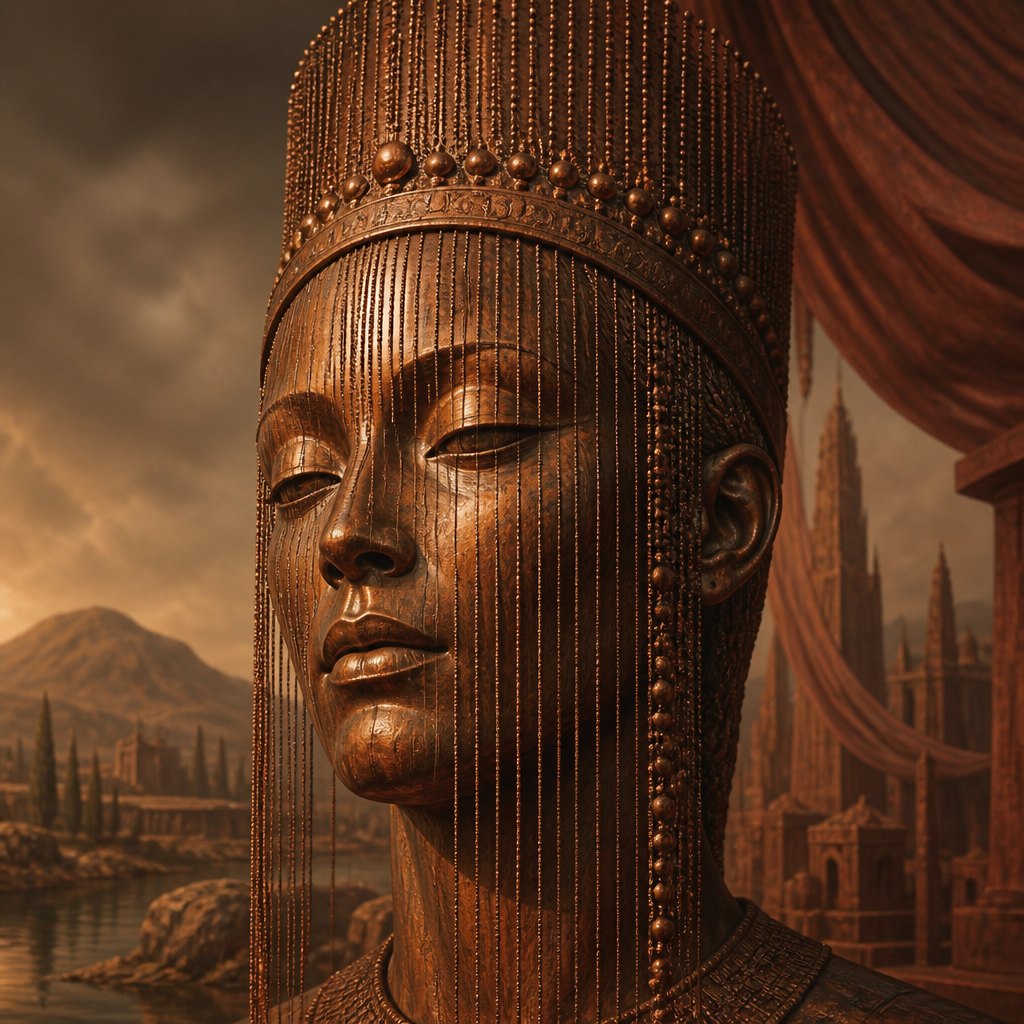 AI-generated
Work en plein air
Paint in the light of Ife
This example was generated from a prompt like: “A naturalistic copper-alloy head with a calm, idealized expression, fine vertical striations across the face suggesting a beaded veil, and a tall beaded crown, cast in warm russet and copper tones.”
Open the Ife Art Style generator →The place today
Ile-Ife's finds are held chiefly at the National Museum, Ife, alongside pieces in Lagos and in museums abroad, including examples removed in the early 20th century. The city remains a living spiritual center for the Yoruba, with the Ooni's palace continuing its ceremonial role, and the Ife Grand Durbar and related festivals draw visitors to a site still treated as Yoruba civilization's point of origin. Local terracotta and brass-casting crafts continue in the region, informed by but distinct from the museum-held ancient corpus.
Compose your own
Model the face with calm, idealized symmetry rather than exaggeration or abstraction, smoothing proportions toward a serene, composed expression. Add fine, evenly spaced vertical grooves across cheeks and forehead to suggest a beaded veil rather than leaving skin bare. Build an elaborate beaded crown with a tall plume, and consider small holes at the hairline as if hair, fabric, or beads were once attached rather than treating the head as a finished, standalone object. Keep the palette to the warm russets and browns of fired clay or aged copper alloy, and favor a naturalistic ideal over any stylized ornament to match the tradition's technical restraint.
Frequently asked questions
What makes Ife sculpture unusual for its period?
Its naturalism. The heads show smooth, closely observed, idealized facial proportions that stand apart from the more abstracted or angular forms typical of most African sculpture from the same centuries.
What do the facial grooves on Ife heads represent?
Most scholars read the fine vertical striations as a depiction of a beaded veil worn by rulers during ceremony, though some connect them to ritual scarification practices.
Is Ife connected to the Benin bronzes?
Yes. Benin's royal tradition credits Ife with sending a bronze caster to establish the craft there in the late 13th century, making Ife an acknowledged origin point for the wider regional lost-wax casting tradition.
How were the Ife heads discovered?
A German expedition led by Leo Frobenius removed a copper head near the Olokun shrine grove in 1910, and a larger cache was uncovered in 1938 during building work at Wunmonije Compound near the palace.