 Art
Art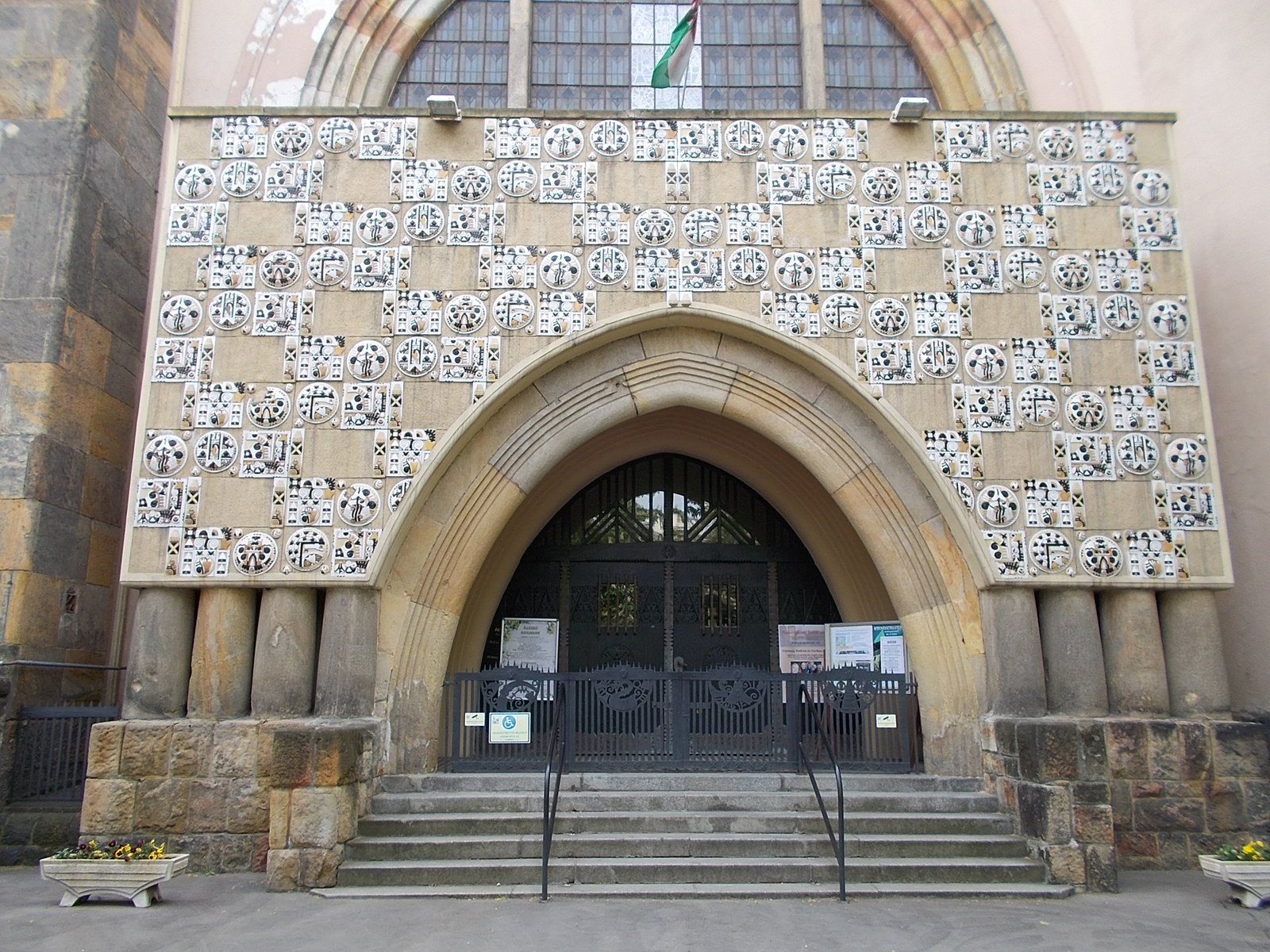
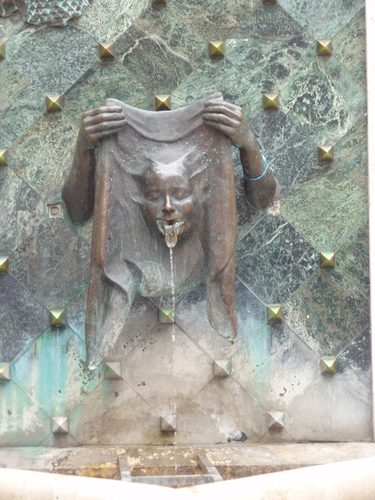
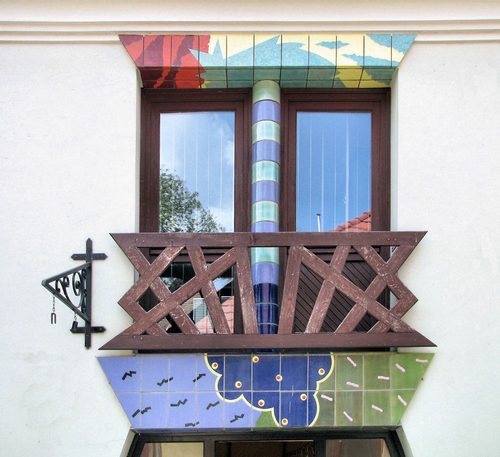
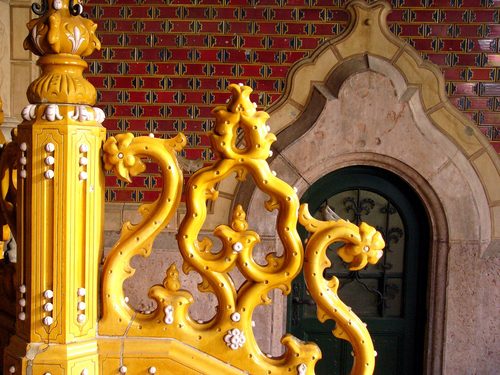
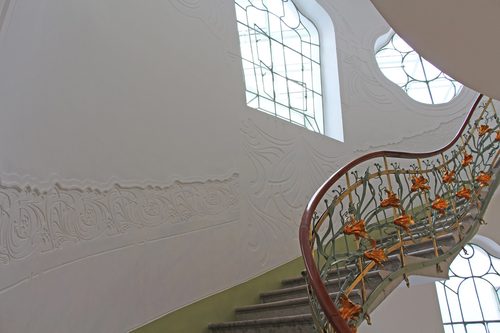
Budapest's art identity crystallized in the 1890s, when Hungarian architects and craftsmen sought a national style distinct from Vienna's, ahead of the 1896 Millennium celebrations marking a thousand years of Hungarian statehood. The Zsolnay ceramics factory in Pécs, run by Vilmos Zsolnay from 1865, supplied the material: a frost-resistant pyrogranite tile for facades and roofs, and from 1893 an iridescent eosin glaze developed with chemist Vince Wartha. Architect Ödön Lechner became the style's chief theorist, layering Hungarian and Indian-inspired folk motifs, tulips, hearts, peacock feathers, over historicist masonry to claim a heritage separate from German and Austrian models. State patronage for the Millennium built the Museum of Applied Arts and other public buildings clad in Zsolnay tile, while Budapest's civic pride sustained decades of Secession architecture across the city.
What marks the region
Pyrogranite cladding
Zsolnay's frost-resistant ceramic tile let architects wrap entire facades and roofs in color and pattern, replacing carved stone ornament with weatherproof glazed material.
Eosin iridescent glaze
Developed with chemist Vince Wartha in 1893, this metallic glaze shifted color like a beetle's wing, giving Zsolnay vases and roof tiles a shimmer no rival ceramics works could match.
Folk ornament as national claim
Tulips, hearts, and peacock motifs drawn from Hungarian peasant embroidery were carved into stone and pressed into tile, asserting a heritage distinct from Vienna's court taste.
Ceramic roof as unifying skin
Roofs became the most decorated surface of a building, tiled in patterned Zsolnay ceramic rather than slate, so ornament read from street level and from a distance alike.
State commissions for the Millennium
The 1896 thousand-year anniversary of Hungarian statehood funded major public buildings, giving architects like Ödön Lechner rare freedom to build a national style at scale.
Break from historicism
Rather than copying Gothic or Renaissance forms wholesale, Budapest's Secession architects folded historicist massing together with folk pattern, producing buildings old and new at once.
Local signatures
How to spot Budapest art
- Tulip motif
- → Hungarian folk embroidery pattern translated into carved stone, stucco, and ceramic tile as a marker of national rather than imperial taste.
- Eosin green-gold glaze
- → Zsolnay's shifting metallic surface identifies a ceramic object or tiled roof as Hungarian rather than Austrian or Bohemian work.
- Peacock feather pattern
- → Borrowed from folk textiles and Lechner's ornament vocabulary, marking Secession facades and interiors across Budapest.
- Beehive and bee motif
- → Carved and tiled on the Postal Savings Bank roofline, symbolizing thrift and collective industry for a state savings institution.
- Diamond-pattern roof tile
- → Colored glazed tiles set in geometric patterns on church and public building roofs, a Zsolnay specialty across the Castle District skyline.
- Folk floral stucco relief
- → Stylized wildflowers pressed into building facades, extending peasant decorative vocabulary onto urban apartment blocks.
The story
The Zsolnay ceramics works opened in Pécs in 1853 under Miklós Zsolnay; his son Vilmos took over in 1865 and built it into a major manufacturer of architectural and decorative ceramics. In 1893 chemist Vince Wartha helped the factory perfect eosin, an iridescent metallic glaze that became Zsolnay's signature. Architect Ödön Lechner spent the 1890s developing a Hungarian national style, combining folk ornament with Zsolnay cladding on buildings including the Museum of Applied Arts (1896) and the Geological Institute (1899). The 1896 Millennium celebrations, marking a thousand years since the Magyar conquest, brought state funding for exactly this kind of national architecture. Lechner's Royal Postal Savings Bank followed in 1901, its majolica roof still one of Budapest's most photographed surfaces. World War I and the 1920 Treaty of Trianon ended large-scale Secession commissions, but the buildings and Zsolnay's Pécs factory survived, later reopening as a museum quarter.
Masterpieces of the place
| Work | Artist | Date | Why it matters |
|---|---|---|---|
| Museum of Applied Arts | Ödön Lechner | 1896 | Green and gold Zsolnay roof tiles and folk-inspired ornament on a building meant to showcase Hungarian craft. |
| Royal Postal Savings Bank | Ödön Lechner | 1901 | A majolica roof patterned with bees and folk motifs, Budapest's clearest statement of Hungarian Secession. |
| Geological Institute of Hungary | Ödön Lechner | 1899 | Blue Zsolnay-tiled roof and folk-pattern brickwork on a state scientific institution. |
| Matthias Church roof tiles | Frigyes Schulek (restoration architect) | 1893-96 | Diamond-patterned glazed Zsolnay tiles applied during a major restoration of the medieval church. |
| Eosin-glazed vase | Unknown (Zsolnay workshop) | c. 1900 | A signature iridescent green-gold vase demonstrating the eosin glaze that made Zsolnay internationally known. |
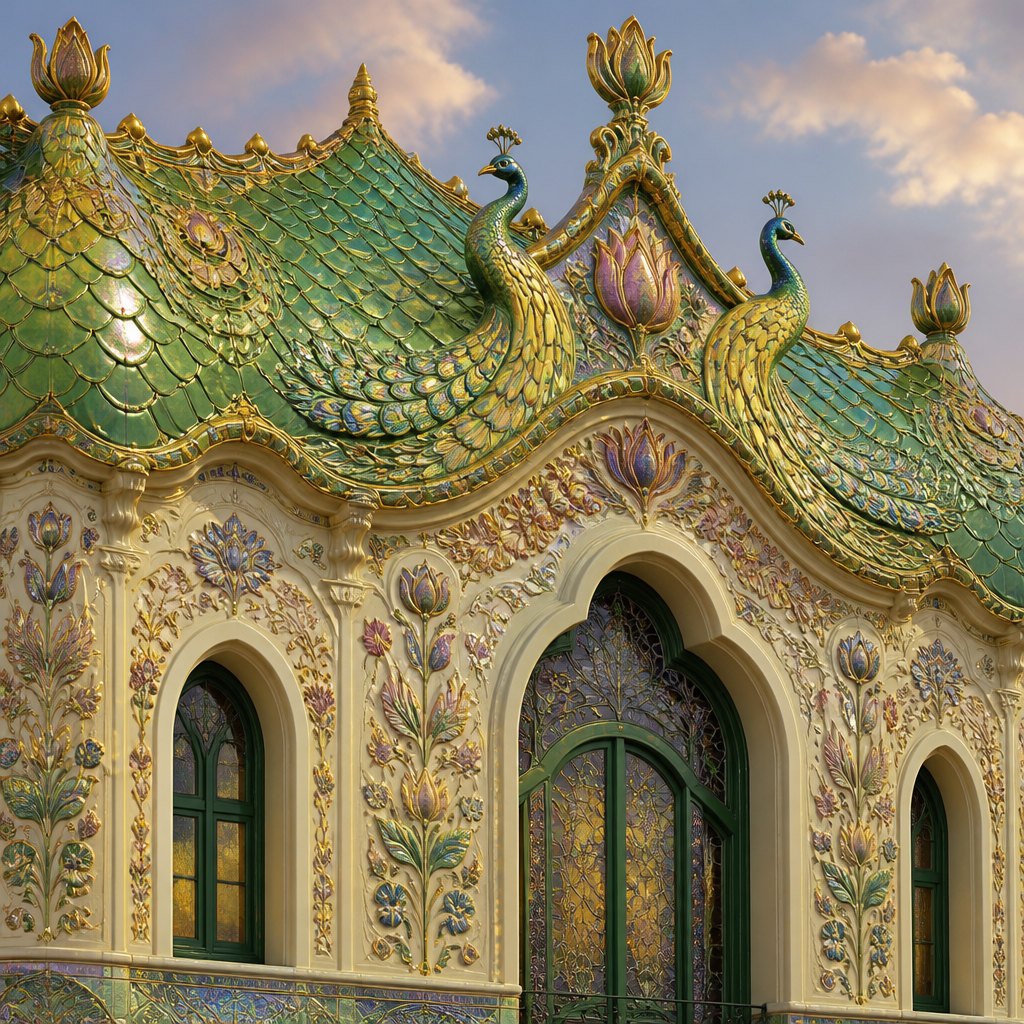 AI-generated
Work en plein air
Paint in the light of Budapest
This example was generated from a prompt like: “An ornate building facade with a glossy green-gold ceramic tiled roof patterned in tulip and peacock motifs, folk floral stucco relief around arched windows, rendered in iridescent glazed surfaces.”
Open the Budapest Art Style generator →The place today
The Museum of Applied Arts still displays Zsolnay ceramics inside Lechner's own building, its roof and interior tile a permanent advertisement for the material. The Zsolnay factory site in Pécs is now a cultural quarter with a dedicated museum and working ceramics studios. Budapest's Postal Savings Bank, Geological Institute, and dozens of apartment buildings remain in daily use, forming a self-guided Secession walking route through the city center.
Compose your own
Give a facade or object a glossy, slightly metallic glaze in green, gold, or deep blue rather than flat paint, evoking Zsolnay eosin. Layer stylized folk motifs, tulips, hearts, peacock eyes, over an otherwise conventional masonry form, rather than replacing the structure entirely. Treat the roofline as prime decorative real estate: pattern it in glazed tile diamonds or florals rather than leaving it plain. Keep ornament flat and graphic, closer to embroidery than to naturalistic carving, and let color do the work relief sculpture might do elsewhere.
Frequently asked questions
What makes Hungarian Secession different from Vienna Secession?
Budapest's architects, led by Ödön Lechner, deliberately drew on Hungarian folk ornament and Zsolnay ceramic tile to claim a national identity, where Vienna's Secession stayed closer to abstract geometric and floral motifs without that nationalist program.
What is Zsolnay eosin glaze?
An iridescent metallic ceramic glaze developed by the Zsolnay factory with chemist Vince Wartha in 1893, prized for its shifting green-gold surface and used on both decorative vases and architectural tile.
Why was 1896 important for Budapest architecture?
It marked the Millennium of the Magyar conquest of the Carpathian Basin, and state funding for anniversary buildings gave architects like Lechner rare scope to build an explicitly national style at public scale.
Where can Zsolnay ceramics be seen today?
The Museum of Applied Arts and Postal Savings Bank in Budapest display architectural Zsolnay tile in place, while the Zsolnay Cultural Quarter in Pécs holds the factory's historic and contemporary output.