 Art
Art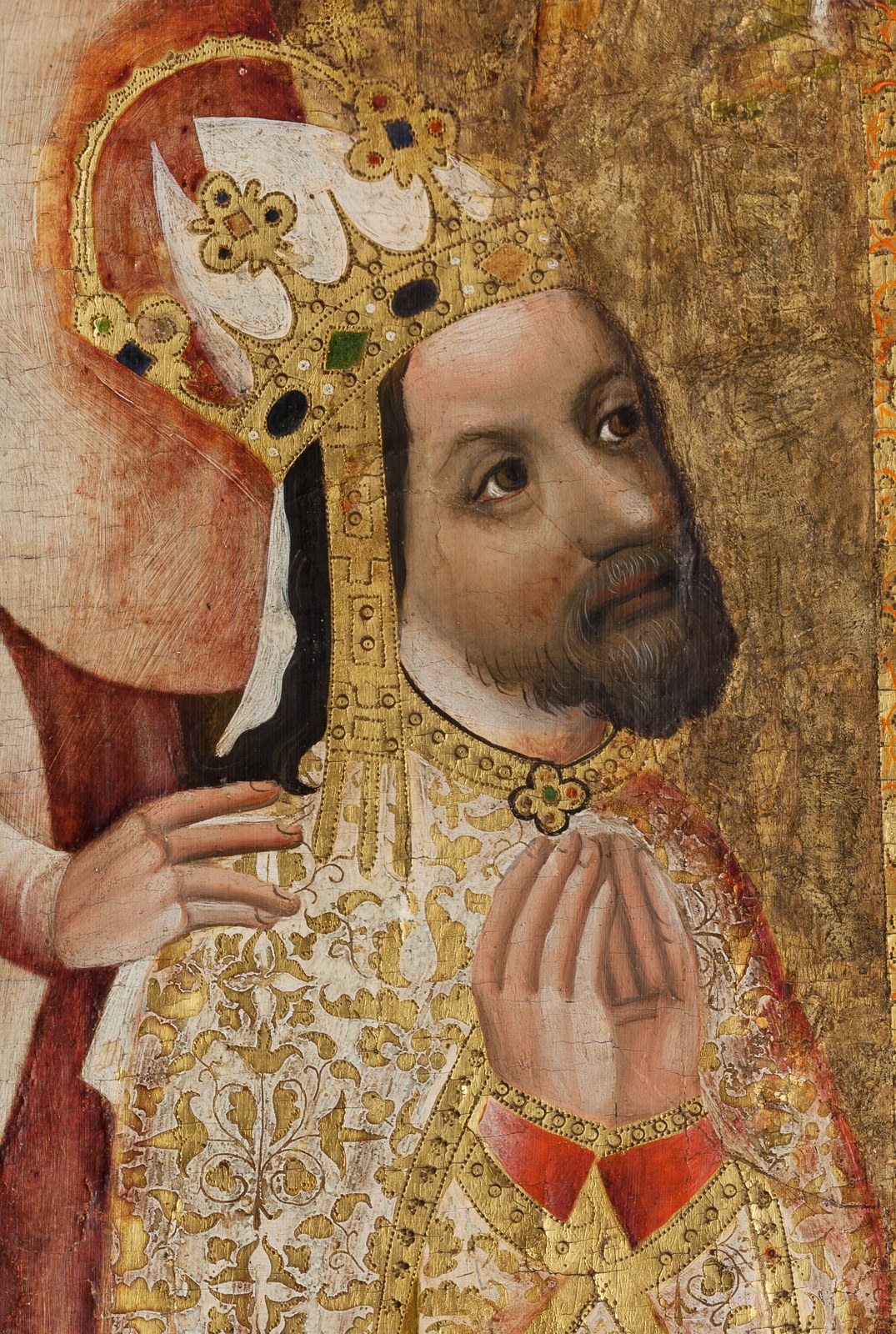
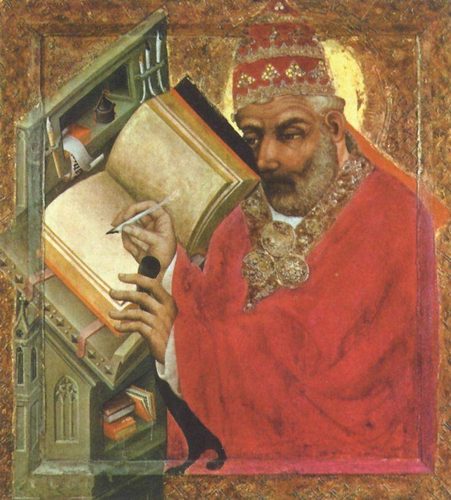
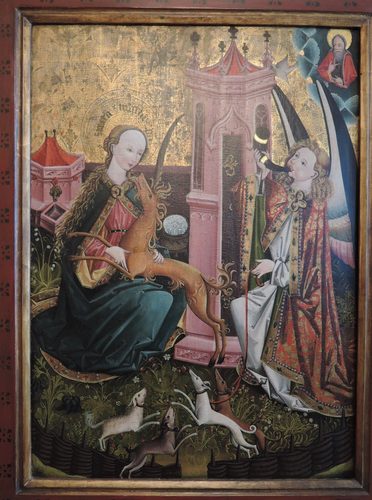
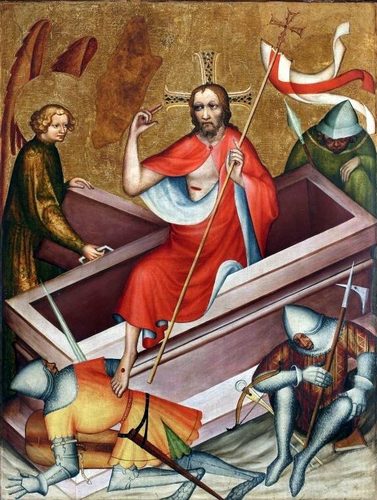
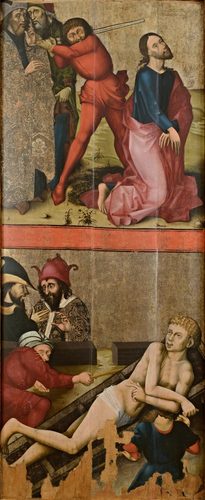
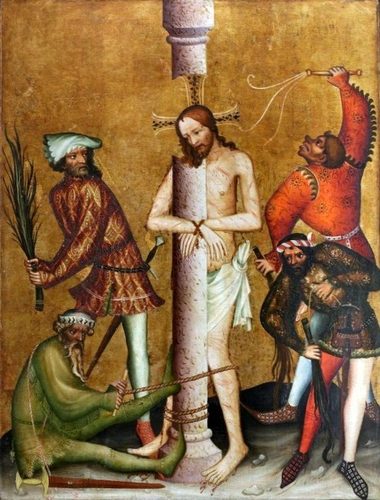
Prague art spans two distinct high points separated by five centuries but joined by the city's role as an imperial capital. In 1346, Charles IV made Prague the seat of the Holy Roman Empire and founded a court workshop tradition: Bohemian panel painters developed the so-called beautiful style, softly modeled Madonnas and saints in tempera and gold leaf, while the architect Peter Parler rebuilt St Vitus Cathedral with a new naturalism in carved stone portrait busts. Master Theodoric's panels for Charles IV's private chapel at Karlštejn Castle, painted in the 1360s, remain the school's defining achievement. Centuries later, Czech National Revival sentiment and Habsburg-era prosperity produced a second flowering: Art Nouveau architecture and decoration filled Prague after 1900, led by Alfons Mucha's flowing linear style and the civic showpiece of the Municipal House. Prague also produced a short-lived, internationally unique Cubist architecture movement before the First World War. Together these layers give the city an unusually visible architectural timeline.
What marks the region
Beautiful style (krásný sloh)
Soft, gently curving figures with sweet, idealized faces, a Bohemian Gothic manner that spread across Central Europe in the later 1300s.
Egg tempera and gold ground
Panel painters built luminous, flat gold backgrounds behind softly modeled figures, prioritizing devotional glow over spatial depth.
Naturalistic portrait busts
Peter Parler's workshop carved individualized stone faces of real court and clergy figures into St Vitus Cathedral's triforium gallery, unusual for the period.
Imperial court patronage
Charles IV personally commissioned major cycles, linking Bohemian art directly to Holy Roman imperial ambition rather than guild demand alone.
Total facade decoration
Art Nouveau architects covered entire building fronts in integrated sculpture, ironwork, mosaic, and lettering rather than isolated ornament.
Cubist faceting
A small but distinct Prague movement applied angular, crystalline Cubist forms to building facades and furniture, unmatched elsewhere in Europe.
Local signatures
How to spot Prague art
- Beautiful Madonna (Krásná Madona)
- → Soft-faced, gently swaying Virgin type that became Bohemia's signature Gothic image, copied across Central Europe.
- Triforium portrait busts
- → Individualized carved faces of real court figures inside St Vitus Cathedral, an early instance of portrait realism in stone.
- Hussite chalice
- → A cup motif recalling the Hussite movement's demand for lay communion, appearing in later civic and commemorative imagery.
- Flowing hair and floral halo
- → Sinuous linear hair and botanical framing devices mark Prague's Art Nouveau decorative style.
- Astronomical clock zodiac ring
- → The medieval Orloj's zodiac and calendar imagery recurs as a civic emblem of Prague across decorative arts.
- Cubist crystalline facets
- → Angular, prism-like surface breaks on facades and objects identify Prague's unique Cubist architectural output.
The story
Charles IV became King of Bohemia in 1346 and Holy Roman Emperor in 1355, making Prague an imperial capital and founding Charles University in 1348, Central Europe's first. He commissioned Peter Parler in 1356 to continue St Vitus Cathedral, where Parler's workshop carved individualized portrait busts into the triforium gallery. Master Theodoric painted over 100 panels for Charles IV's chapel at Karlštejn Castle around 1360-1365, epitomizing the Bohemian beautiful style. The Hussite Wars of 1419-1434 disrupted courtly art production for decades. Habsburg rule later brought Baroque rebuilding, including most of the statues added to Charles Bridge from 1683 onward. Czech national revival sentiment in the later 1800s fed a second flowering: the Municipal House was built 1905-1912, and Alfons Mucha decorated its interior before designing a stained glass window for St Vitus Cathedral in 1931. Josef Gočár and Josef Chochol built Prague's Cubist houses between 1911 and 1914. St Vitus Cathedral was only formally completed in 1929.
Masterpieces of the place
| Work | Artist | Date | Why it matters |
|---|---|---|---|
| Karlštejn Chapel of the Holy Cross panels | Master Theodoric | c. 1360-1365 | Over 100 gold-ground panels for Charles IV's private chapel, the era's defining commission. |
| St Vitus Cathedral | Peter Parler | begun 1344, completed 1929 | Gothic cathedral whose triforium busts introduced portrait realism into Bohemian stone carving. |
| Vyšší Brod Altarpiece cycle | Master of Vyšší Brod | c. 1350 | Early example of the Bohemian beautiful style's soft modeling and gold backgrounds. |
| Municipal House (Obecní dům) | Antonín Balšánek and Osvald Polívka | 1905-1912 | Civic Art Nouveau showpiece decorated in part by Alfons Mucha. |
| St Vitus Cathedral stained glass window | Alfons Mucha | 1931 | A Slavic-themed Art Nouveau window inserted into the medieval cathedral fabric. |
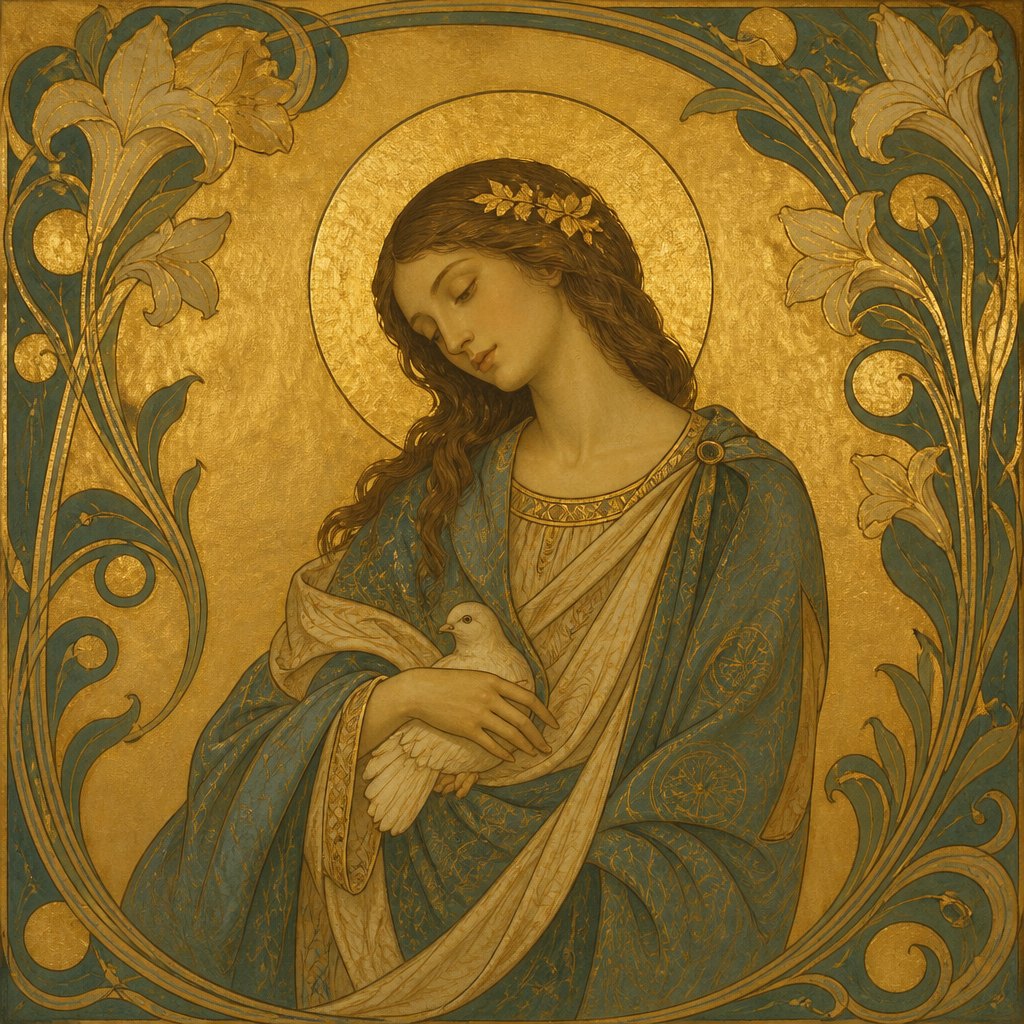 AI-generated
Work en plein air
Paint in the light of Prague
This example was generated from a prompt like: “A gently tilted, soft-faced robed figure with a gold-leaf halo against a flat gold background, framed by a border of flowing Art Nouveau floral tendrils in muted teal and gold.”
Open the Prague Art Style generator →The place today
The National Gallery Prague, housed partly in the Convent of St Agnes, holds the country's Bohemian Gothic panel paintings. St Vitus Cathedral remains open within Prague Castle, its Mucha window beside centuries-older stonework. Original Charles Bridge statues, weathered by pollution, are kept in the Lapidarium while replicas stand on the bridge itself. The Municipal House still functions as a concert hall and café, and the House of the Black Madonna preserves Prague's short-lived Cubist architecture as a small museum.
Compose your own
For the Gothic layer, paint a softly tilted face with sweet, half-closed eyes against a flat, tooled gold background, using tempera-thin layers rather than thick oil. Drapery should fall in gentle rounded curves, not sharp Gothic angles. For the Art Nouveau layer, switch to sinuous continuous line, framing a figure in flowing hair or floral tendrils and a shallow decorative border rather than deep space. Combine stone-grey Gothic tracery with pastel and gold Art Nouveau ornament if depicting the city itself, since both genuinely coexist on Prague's buildings. Avoid heavy chiaroscuro; both styles favor flatness and pattern over dramatic light.
Frequently asked questions
What is Bohemian Gothic beautiful style?
A softly modeled, gently curving figure style developed in Prague under Charles IV in the mid-1300s, using tempera and gold-leaf backgrounds, and copied widely across Central Europe.
Who built St Vitus Cathedral?
Construction began in 1344 under Matthias of Arras, continued from 1356 by Peter Parler, whose workshop added the famous triforium portrait busts, and was only completed in 1929.
What connects Alfons Mucha to St Vitus Cathedral?
Mucha, Prague's leading Art Nouveau artist, designed a stained glass window for the cathedral installed in 1931, adding a 20th-century layer to the medieval building.
What is Prague Cubist architecture?
A short-lived movement, 1911-1914, in which architects like Josef Gočár and Josef Chochol applied angular Cubist faceting to house facades and furniture, unique to Prague.