 Art
Art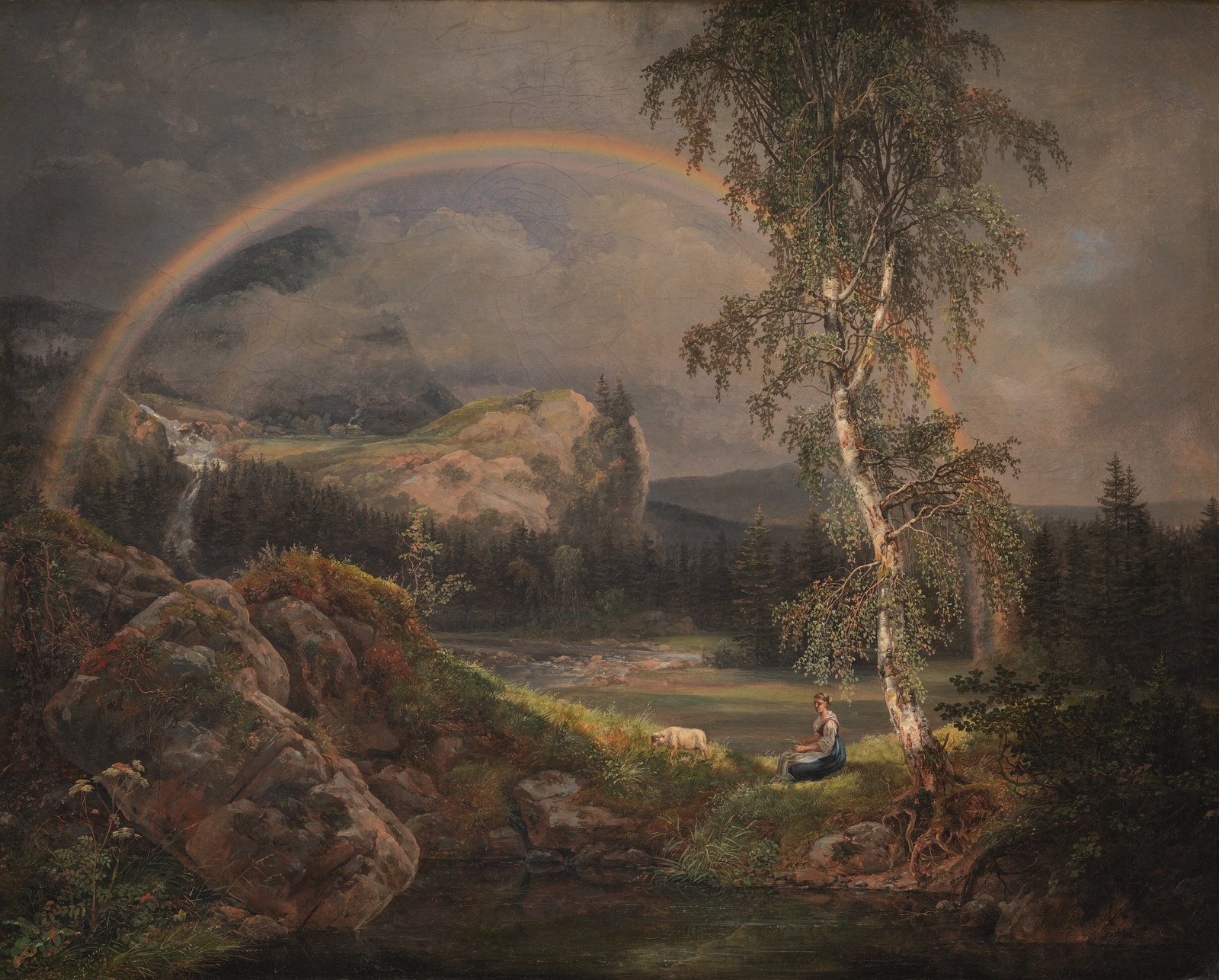
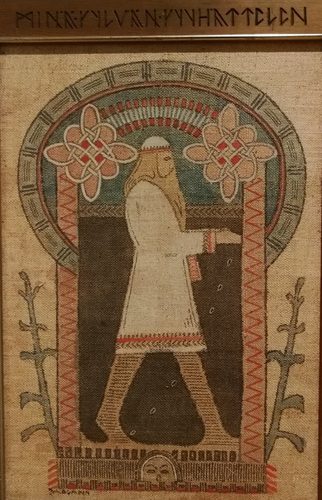
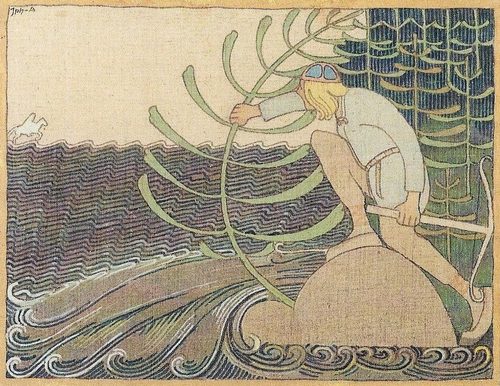
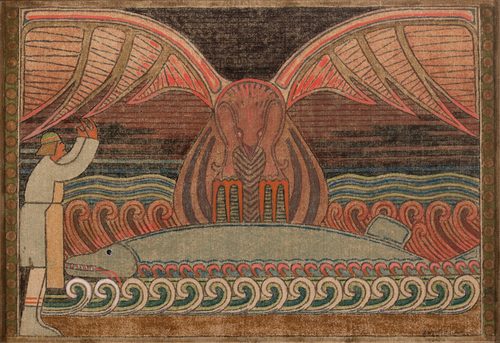
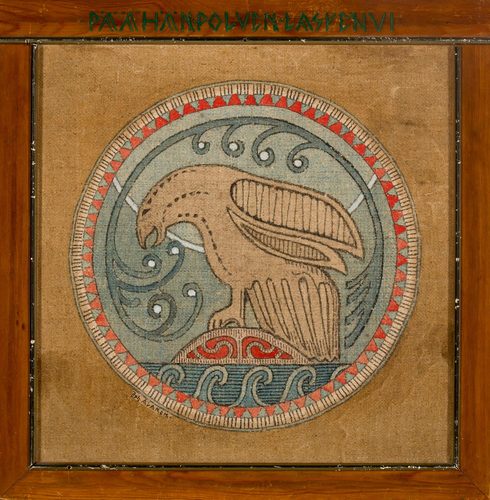
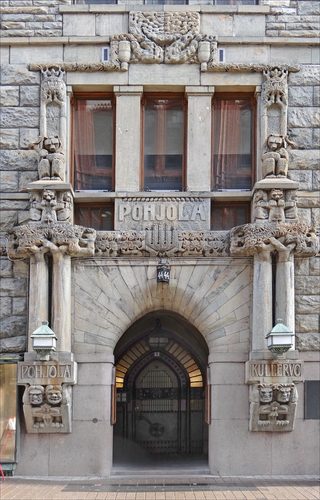
Helsinki art means the Finnish National Romantic movement of the 1890s-1910s, built when Finland was an autonomous Grand Duchy of Russia without its own royal courts or old-master tradition to draw on. Artists turned instead to the Kalevala, the national epic gathered from oral Karelian folk poetry, and to Karelia's forests and log villages, treated as untouched sources of authentic Finnish identity. Akseli Gallen-Kallela led painting expeditions east and turned runic verse into monumental canvases, while architects Eliel Saarinen, Herman Gesellius, and Armas Lindgren built Helsinki in rough native granite, an Art Nouveau made of boulders rather than ironwork. The Ateneum, opened in 1887 as the Finnish Art Society's school and gallery, anchored the movement at home, and the Finnish Pavilion at the 1900 Paris Exposition announced it abroad. Independence in 1917 pushed Finnish art toward modernism, but the granite buildings and myth-paintings remain its founding visual language.
What marks the region
Karelia expeditions
Painters traveled to eastern Karelia to sketch folk singers, log architecture, and wilderness scenery, treating the region as a living museum of pre-industrial Finnish culture.
Kalevala illustration
Runic verses became painting subjects; scenes of Väinämöinen, the Sampo, and Lemminkäinen recurred across canvases, frescoes, and book illustration.
Granite Art Nouveau
Architects favored rough-hewn native granite over stucco or iron, giving Helsinki facades a weighty, almost geological texture unlike Vienna or Paris Art Nouveau.
Gesamtkunstwerk studios
Architects designed buildings, furniture, and textiles as one unified whole, working from communal wilderness studio-homes such as Hvitträsk outside the city.
Folk textile revival
Ryijy rugs and woven patterns drawn from rural tradition were reproduced for urban interiors, linking peasant craft to bourgeois taste.
National color and light
Dark lake blues, pine greens, and low northern light replaced the golds of academic history painting, giving Finnish Romanticism a colder, melancholic palette.
Local signatures
How to spot Helsinki art
- Sampo (magic mill)
- → Symbol of prosperity and national fortune fought over in the Kalevala, a favorite subject for history-scale paintings.
- Väinämöinen the rune-singer
- → The epic's bearded singer-hero stands for Finnish oral wisdom and cultural continuity.
- Karelian log architecture
- → Weathered timber farmhouses and saunas signal an unspoiled, ancestral Finnish way of life.
- Bear
- → Forest predator treated as a guardian spirit of the wilderness in folk belief and painting.
- Ryijy rug patterns
- → Geometric woven textile motifs borrowed from rural Karelian and Finnish weaving traditions.
- Granite boulder texture
- → Rough, unpolished stone facades signal the National Romantic style's claim to native bedrock authenticity.
The story
Elias Lönnrot compiled the Kalevala from oral poetry gathered largely in Karelia, publishing it in 1835 and an expanded edition in 1849, giving Finns a national epic decades before political independence. Finland remained an autonomous Grand Duchy of the Russian Empire, and by the 1890s a generation of artists used folklore to assert a distinct identity against both Russian and Swedish cultural dominance. Akseli Gallen-Kallela traveled repeatedly into Karelia from 1890, painting Kalevala scenes such as The Defense of the Sampo (1896) and Lemminkäinen's Mother (1897). At the 1900 Paris Exposition Universelle, the Finnish Pavilion, designed by Gesellius, Lindgren, and Saarinen with frescoes by Gallen-Kallela, gave the style an international debut. Granite-clad National Romantic buildings followed across Helsinki through the 1900s, including the National Museum (1910-1916) and Saarinen's Helsinki Central Station (1919). Finland gained independence in 1917, after which its art moved toward Nordic modernism.
Masterpieces of the place
| Work | Artist | Date | Why it matters |
|---|---|---|---|
| The Defense of the Sampo | Akseli Gallen-Kallela | 1896 | A Kalevala battle scene that turned epic myth into monumental national painting. |
| Lemminkäinen's Mother | Akseli Gallen-Kallela | 1897 | A grieving mother scene from the Kalevala, among the Ateneum's most reproduced works. |
| Finnish Pavilion frescoes | Akseli Gallen-Kallela | 1900 | Kalevala murals inside the Paris Exposition pavilion that introduced Finnish art abroad. |
| National Museum of Finland | Gesellius, Lindgren, and Saarinen | 1910-1916 | Granite National Romantic landmark modeled on medieval Finnish churches and castles. |
| Helsinki Central Railway Station | Eliel Saarinen | 1919 | Granite terminal whose stern statue-figures mark the style's late, monumental phase. |
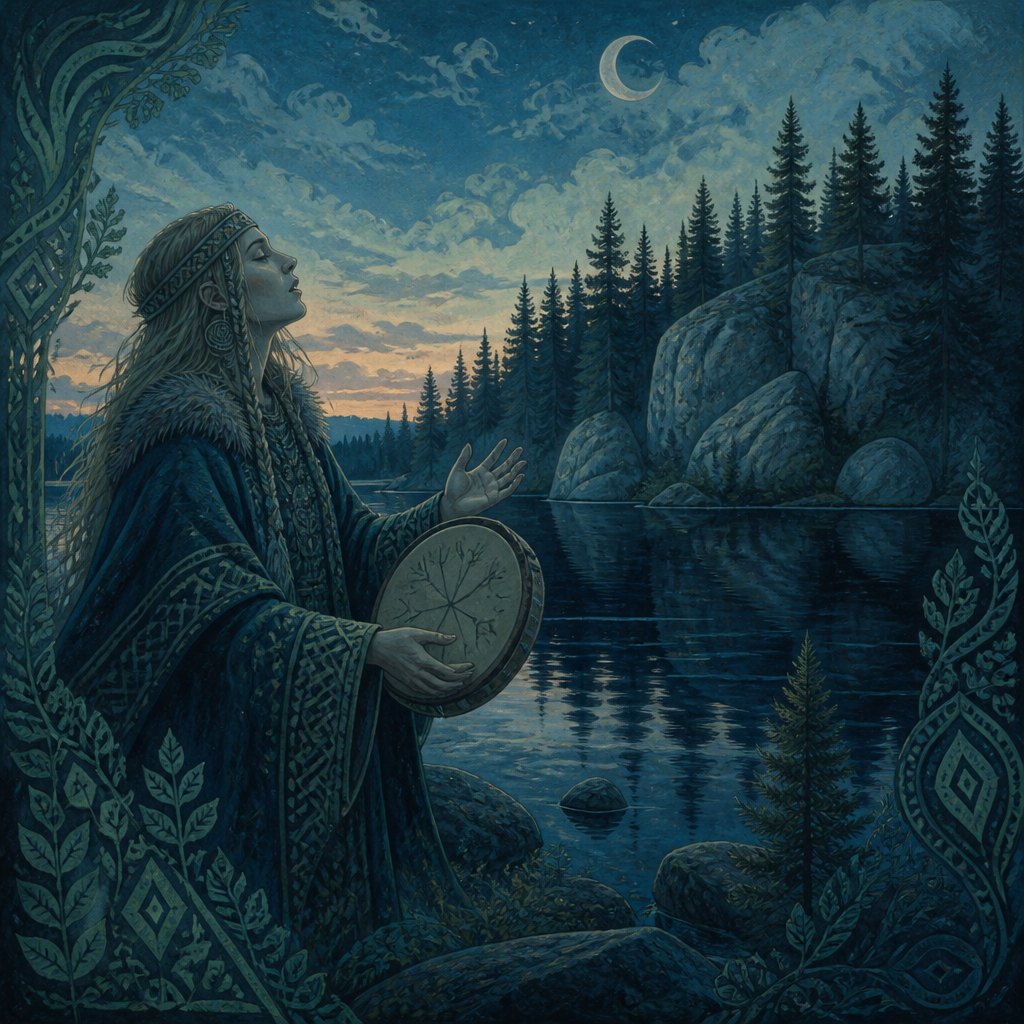 AI-generated
Work en plein air
Paint in the light of Helsinki
This example was generated from a prompt like: “A lone rune-singer beside a dark northern lake at dusk, pine forest and granite boulders in the background, rendered in cool green and blue tones with stylized folk-pattern borders.”
Open the Helsinki Art Style generator →The place today
The Ateneum Art Museum in Helsinki holds the national collection of Gallen-Kallela and his contemporaries, displayed within walking distance of the Art Nouveau streets of Katajanokka and Eira. Hvitträsk, the shared studio-home Gesellius, Lindgren, and Saarinen built west of the city in 1902, survives as a museum of the movement's unified approach to architecture and craft. Ryijy rug weaving continues as a living Finnish textile tradition, taught in craft schools and shown in design museums alongside the granite buildings that still define central Helsinki's skyline.
Compose your own
Start from myth rather than observation: choose a single Kalevala episode, a battle, a lament, a forging, and give it the scale and gravity of history painting. Keep the palette cool and northern, dark pine greens, lake blues, and low grey light rather than Mediterranean gold. For architecture, favor rough, unpolished granite blocks over smooth stucco, with small deep-set windows and steep rooflines borrowed from medieval churches. Add stylized flora, animals, or rune-like ornament sparingly at doorways and cornices rather than across whole facades. Let weight and texture, not decoration, carry the sense of ancient, native authenticity.
Frequently asked questions
What is Finnish National Romanticism?
A movement of the 1890s-1910s in which Finnish painters and architects used the Kalevala epic and Karelian folk culture to build a distinctly national style, independent of Swedish and Russian artistic models.
Who was Akseli Gallen-Kallela?
Finland's central National Romantic painter, known for large Kalevala scenes and for the frescoes in the Finnish Pavilion at the 1900 Paris Exposition Universelle.
What is Karelianism?
The practice of Finnish artists traveling to rural Karelia to sketch folk singers, log buildings, and wilderness landscape as sources of authentic, pre-industrial Finnish culture.
Why does Helsinki architecture use so much granite?
Local architects favored rough native granite over stucco or iron to give buildings a weighty, ancient character that linked modern Helsinki to Finland's bedrock and medieval past.