 Art
Art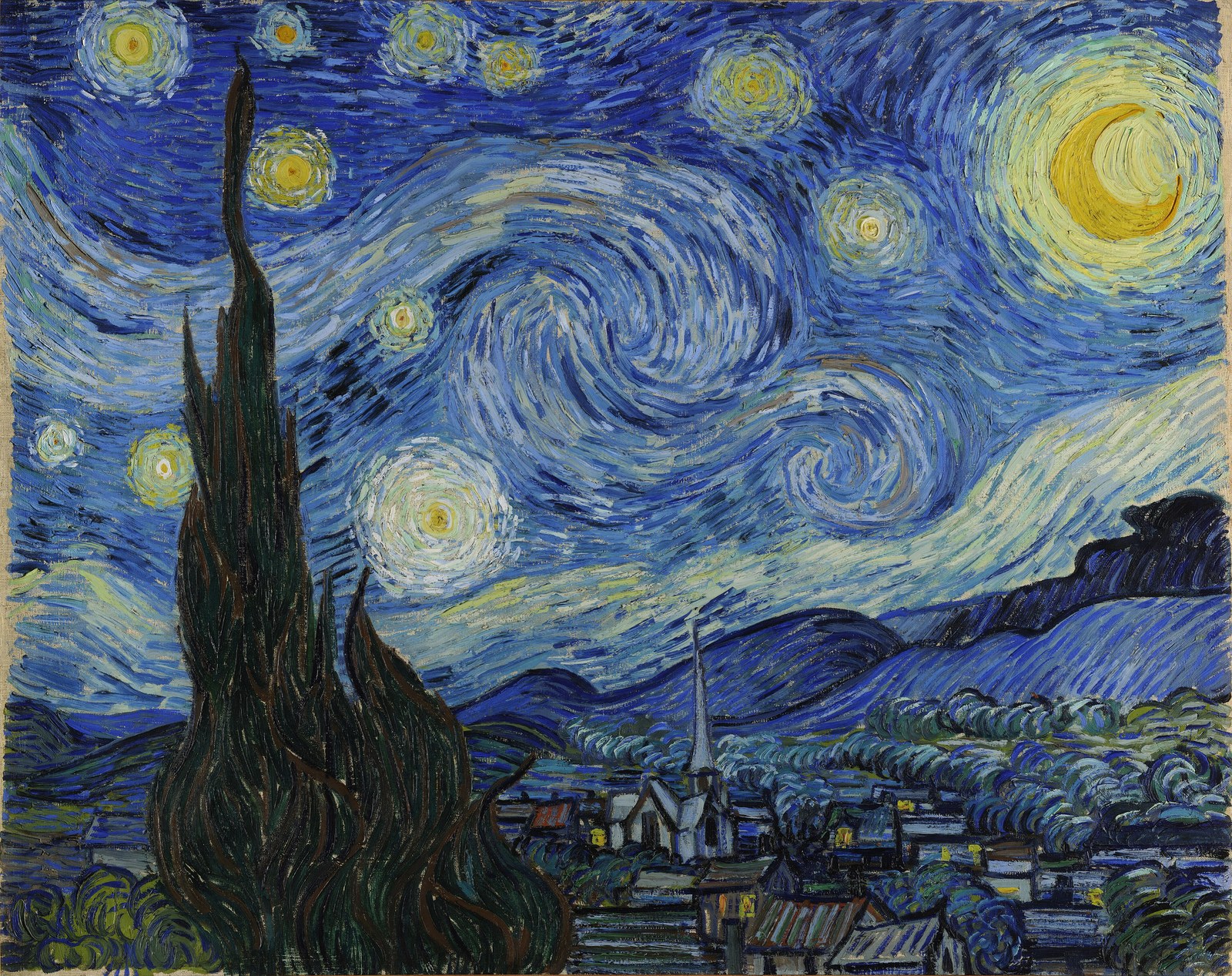
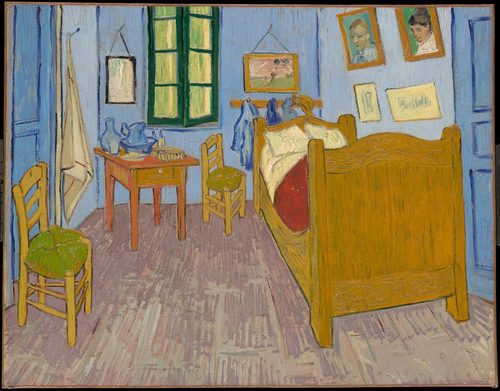
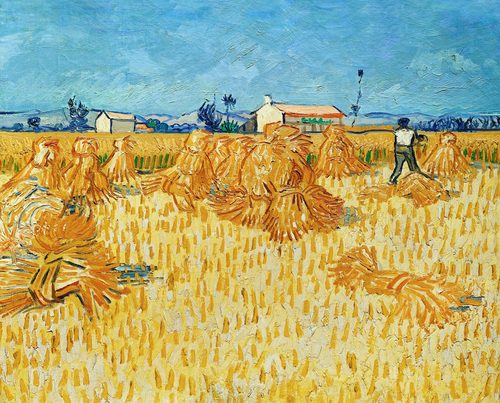
Provençal art is the Post-Impressionist landscape tradition tied to Arles, Saint-Rémy, and Aix-en-Provence, sun-scoured southern French towns that pulled painters away from Paris in search of a light too intense for the capital's grayer palette to capture. The region's Mediterranean climate produces a harsh, high-contrast sun for much of the year, interrupted by the mistral, a violent northerly wind that can blow for days and, by several artists' own account, seemed to sharpen their nerves along with their brushwork. Cheap living costs and a working agricultural landscape of wheat fields, olive groves, and cypress windbreaks gave painters both affordable lodging and endless outdoor motifs close at hand. Vincent van Gogh moved to Arles in 1888 specifically chasing this light and color intensity, and Paul Cézanne worked almost his entire career around his native Aix, painting Mont Sainte-Victoire obsessively enough to turn one mountain into a study of form itself. Unlike Paris's dealer-and-Salon ecosystem, Provence offered no local art market to speak of — painters came for the motif, not the buyers, and often sold almost nothing while they were there.
What marks the region
Saturated, near-arbitrary color
Local subjects are pushed into intensified, sometimes non-naturalistic hues to match the sensation of the region's light rather than its literal appearance.
Cypress and olive motifs
The vertical dark flame of cypress trees and silvery olive groves recur as structural elements within landscape compositions.
Thick, directional impasto
Paint applied in visible ridges, often following the wind-bent shape of wheat or foliage rather than smooth blending.
Agricultural and rural labor scenes
Wheat fields, harvests, and farmhouses replace Paris's urban leisure subjects with working countryside imagery.
Mont Sainte-Victoire as recurring subject
The limestone ridge near Aix was painted repeatedly as a study in structure and shifting light rather than a single view.
Isolation from the Paris market
Painters worked far from dealers and Salon juries, producing work with little regard for what would sell at the time.
Local signatures
How to spot Provence art
- Cypress trees as dark vertical flame
- → A regional windbreak tree reimagined as a near-abstract shape expressing the artist's own emotional intensity.
- Bright yellow sunflower and wheat tones
- → The region's harsh summer light rendered in saturated warm color rather than naturalistic shading.
- Swirling sky patterns
- → The mistral wind's force translated into rhythmic, turbulent brushwork across sky and foliage alike.
- Terracotta rooftops and ochre walls
- → Local building materials and quarried ochre pigment give Provençal scenes their warm, earthy color base.
- Repeated limestone mountain silhouette
- → A specific regional ridge treated as a near-obsessive subject for studying form under changing light.
The story
Provence entered the Post-Impressionist story mostly through two men who came from different directions for different reasons. Paul Cézanne, born in Aix-en-Provence, returned there repeatedly throughout his career, retreating from Paris's art politics to paint Mont Sainte-Victoire and the surrounding countryside in isolation, building a structural approach to color and form that later influenced Cubism directly. Vincent van Gogh arrived in Arles in February 1888 chasing the intense southern light he associated with Japanese prints he admired in Paris, and produced an extraordinary volume of work in little over a year — sunflowers, wheat fields, night skies — despite worsening mental health that led to his 1889 self-hospitalization nearby in Saint-Rémy. Paul Gauguin joined Van Gogh in Arles for nine tense weeks that ended in a violent breakdown and Van Gogh's self-mutilation. Neither painter sold much work while living in Provence; recognition for both arrived mostly after their deaths, once dealers and critics in Paris and beyond began reassessing the color and emotion the southern light had pushed them toward.
Masterpieces of the place
| Work | Artist | Date | Why it matters |
|---|---|---|---|
| The Starry Night | Vincent van Gogh | 1889 | Painted from memory at the Saint-Rémy asylum, turning the region's swirling mistral-lit sky into pure emotion. |
| Sunflowers series | Vincent van Gogh | 1888-1889 | Painted in Arles to decorate a shared studio, pushing yellow to near-saturated intensity under southern light. |
| Mont Sainte-Victoire series | Paul Cézanne | 1880s-1900s | Dozens of views of the same ridge, treating repeated observation as a method for studying form itself. |
| The Bedroom | Vincent van Gogh | 1888 | A flattened, saturated interior of the Arles rented house, painted to feel restful despite its bold color. |
| The Card Players | Paul Cézanne | 1890-1896 | Provençal farmhands painted with the same structural weight Cézanne gave to mountains and still life. |
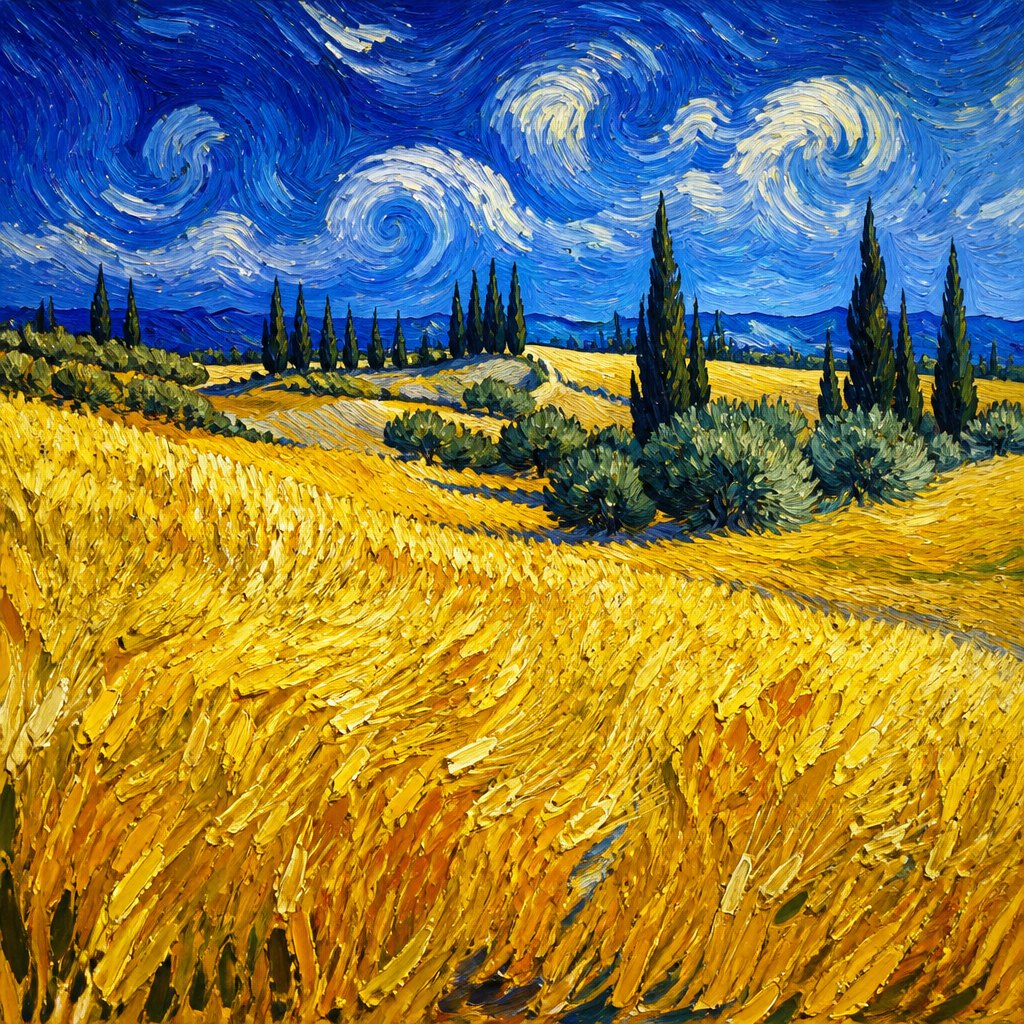 AI-generated
Work en plein air
Paint in the light of Provence
This example was generated from a prompt like: “A sun-scorched wheat field under a swirling cobalt sky, dark flame-shaped cypress trees along the horizon, thick directional brushstrokes, saturated gold and blue color pushed past natural tone, harsh midday southern light, no figures, evoking Provençal Post-Impressionist landscape painting.”
Open the Provence Light Art Style generator →The place today
Provence now runs largely on the tourism its own painters unintentionally created — the Van Gogh walking trail through Arles and Saint-Rémy, and the Cézanne studio and Mont Sainte-Victoire viewpoints around Aix, draw visitors retracing specific canvases against the actual landscape. Lavender fields near Gordes and the region's light continue to attract working painters and photographers, though a formal contemporary art scene remains smaller than the tourist infrastructure built around its Post-Impressionist history. Local museums increasingly focus on interpreting that heritage rather than exhibiting new regional work.
Compose your own
Work outdoors at midday when the southern sun flattens shadows and pushes color toward its most saturated version, rather than waiting for softer morning or evening light. Push hues past what you actually see — a wheat field can go pure gold, a sky can go swirling cobalt — since regional practice favors emotional intensity over optical accuracy. Load the brush heavily and let paint sit in visible ridges on the canvas, following the bending direction of wind-blown grass or leaves rather than smoothing it flat. Choose a single humble motif, a cypress, a farmhouse, a mountain ridge, and return to it repeatedly across different light and weather rather than seeking constant new subjects.
Frequently asked questions
Why did painters move to Provence instead of staying in Paris?
The southern sun produces sharper contrast and more saturated color than Paris's grayer light, and cheaper rural living let painters focus on the landscape itself rather than the capital's dealer and Salon politics.
What is the mistral and did it affect the art?
A strong, dry northerly wind that can blow for days across Provence. Several artists working there described it as unsettling and energizing in turn, and its turbulence shows up in swirling sky and foliage brushwork.
Did Provence have its own local art market?
Barely. Painters largely came for the light and cheap living, not buyers, and often sold very little while actually living there; recognition and sales mostly came later, through Paris and international dealers.
Is Provençal art the same as French Impressionism?
Related but distinct. Provence is mainly associated with Post-Impressionism — Cézanne's structural color studies and Van Gogh's saturated, emotional brushwork — which pushed past Impressionism's softer, more optical approach to light.