 Art
Art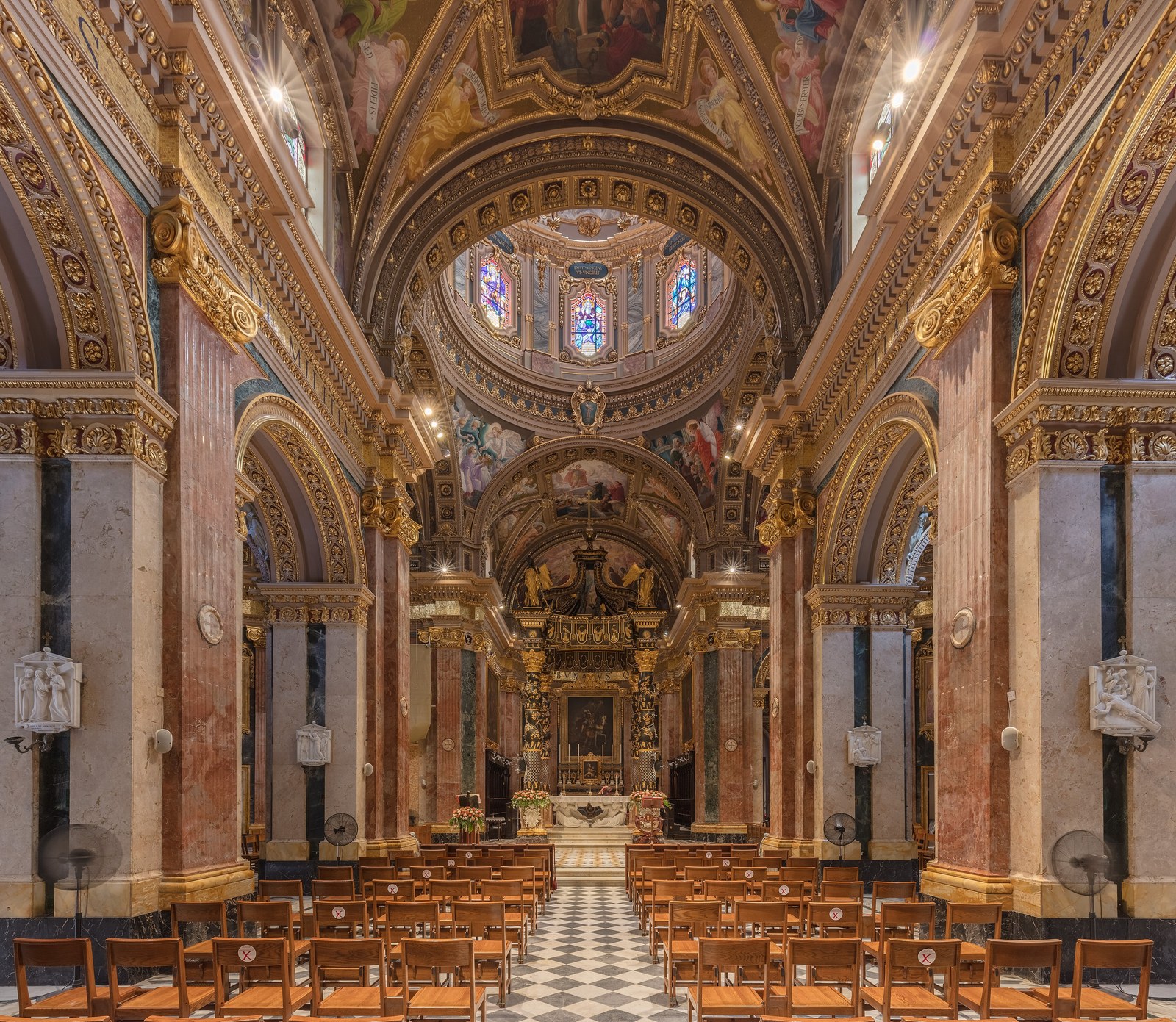
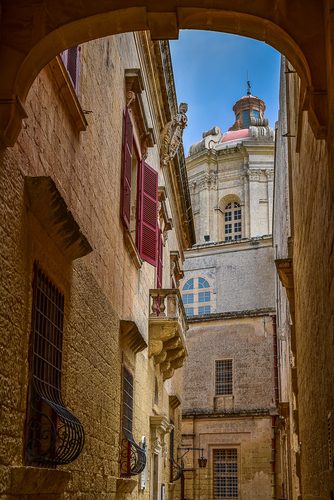
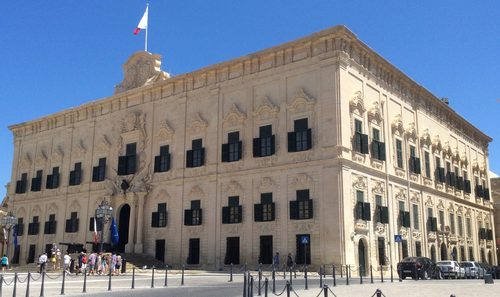
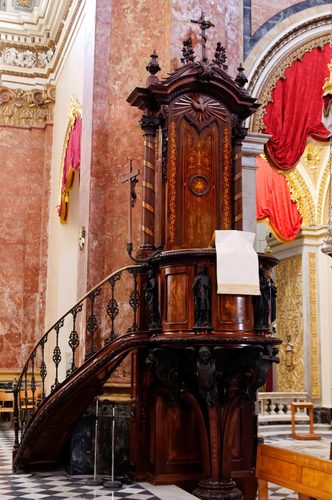
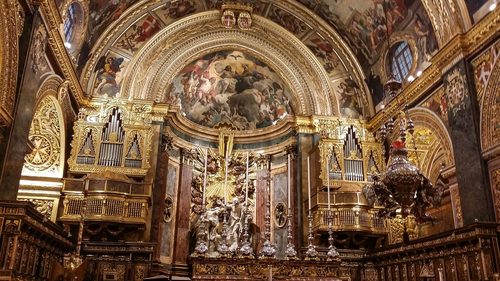
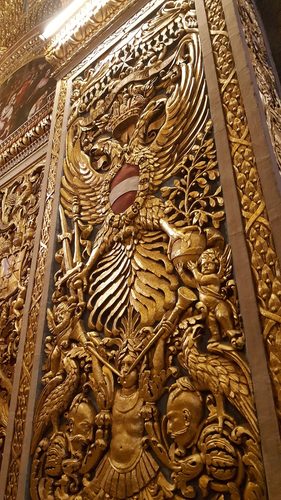
Valletta is the fortified capital the Knights of St John built on Malta after surviving the Great Siege of 1565, when Ottoman forces failed to take the island. Grand Master Jean de Valette commissioned military engineer Francesco Laparelli and local architect Girolamo Cassar to lay out a grid city of golden limestone behind massive bastions, completed through the 1570s. Inside that fortress skin, the knights built St John's Co-Cathedral as their conventual church, then let each of the Order's national divisions, called langues, compete to decorate its own side chapel, producing an interior of marble inlay, gilded stone carving, and painted ceilings unmatched for so small a city. The knights' wealth came from Mediterranean trade, corsairing, and estates across Catholic Europe, and they used it to import major painters, including Caravaggio, who arrived as a fugitive in 1607 and briefly joined the Order. That combination of military order, competitive patronage, and imported Baroque talent gave Valletta an artistic density far beyond its size.
What marks the region
Competitive langue chapels
Each national division of the Order decorated its own chapel inside St John's Co-Cathedral, turning the interior into a rivalry of marble, gilding, and painted ceiling work between nations.
Marble intarsia flooring
The cathedral floor is paved almost entirely with inlaid marble memorial slabs for individual knights, using colored stone rather than paint to record heraldry and mortality.
Golden limestone construction
Nearly every building uses local globigerina limestone, quarried on Malta, which weathers to a warm honey color and was carved directly for ornament rather than added as applied decoration.
Fortress-integrated design
Religious and civic buildings sit inside a continuous bastioned perimeter, so Baroque ornament exists behind military engineering rather than in an open, undefended city.
Imported Baroque painting
The Order commissioned major painters from mainland Italy rather than relying on a resident school, so Valletta's key works arrived as one-off commissions from outside talent.
Illusionistic ceiling painting
Vaulted ceilings were painted directly onto stone rather than canvas, extending painted architecture and figures across the full curve of the nave.
Local signatures
How to spot Valletta art
- Eight-pointed cross
- → The Order of St John's own emblem, later called the Maltese cross, marking knights' regalia, tombstones, and civic buildings across the city.
- Langue coats of arms
- → Heraldic shields for each of the Order's national divisions, carved or inlaid throughout the cathedral to mark which nation funded which chapel.
- Memento mori skull
- → Carved and inlaid skulls on knights' tombstones, a standard Baroque reminder of mortality set beneath otherwise triumphant heraldic display.
- Galley ship motif
- → Images of the Order's war galleys, recalling its role defending Mediterranean shipping and its own corsairing fleet.
- Grand Master's personal arms
- → Individual grand masters added their own heraldic symbols to buildings they funded, a form of dated architectural signature.
- Armor and trophy display
- → Suits of armor and captured weapons displayed in palace and museum interiors as material record of the Order's military identity.
The story
The Order of St John relocated to Malta in 1530 after losing its base on Rhodes, holding the island as a Hospitaller military state. In 1565 the knights withstood a four-month Ottoman siege, and Grand Master Jean de Valette commissioned a new capital the following year, named Valletta in his honor. Military engineer Francesco Laparelli laid out the fortified grid, and local architect Girolamo Cassar completed most major buildings, including St John's Co-Cathedral, built 1572-1577 as the Order's conventual church. Its interior stayed relatively plain until the 1660s, when Grand Master Rafael Cotoner commissioned Calabrian painter Mattia Preti to fresco the entire ceiling directly onto stone between 1661 and 1666 and oversee a full Baroque remodel of the side chapels. Caravaggio arrived in Malta in 1607 fleeing a homicide charge in Rome, joined the Order in 1608, and painted the Beheading of Saint John the Baptist for the cathedral's oratory that same year before being expelled after a violent altercation. The knights ruled until Napoleon expelled them in 1798; Valletta was named a UNESCO World Heritage city in 1980.
Masterpieces of the place
| Work | Artist | Date | Why it matters |
|---|---|---|---|
| Beheading of Saint John the Baptist | Caravaggio | 1608 | The artist's only signed painting and largest altarpiece, made for the cathedral's oratory during his brief membership in the Order. |
| St John's Co-Cathedral ceiling frescoes | Mattia Preti | 1661-1666 | Scenes from the life of St John painted directly onto vaulted stone, transforming a plain interior into full Baroque spectacle. |
| St John's Co-Cathedral | Girolamo Cassar | 1572-1577 | The Order's conventual church, later remodeled into the city's Baroque centerpiece. |
| Marble intarsia tombstones | Unknown | 17th-18th century | Hundreds of inlaid marble memorial slabs covering the cathedral floor, each recording a knight's heraldry. |
| Grand Master's Palace armoury | Unknown | 16th-18th century | A collection of knights' armor and weapons documenting the Order's military role in the Mediterranean. |
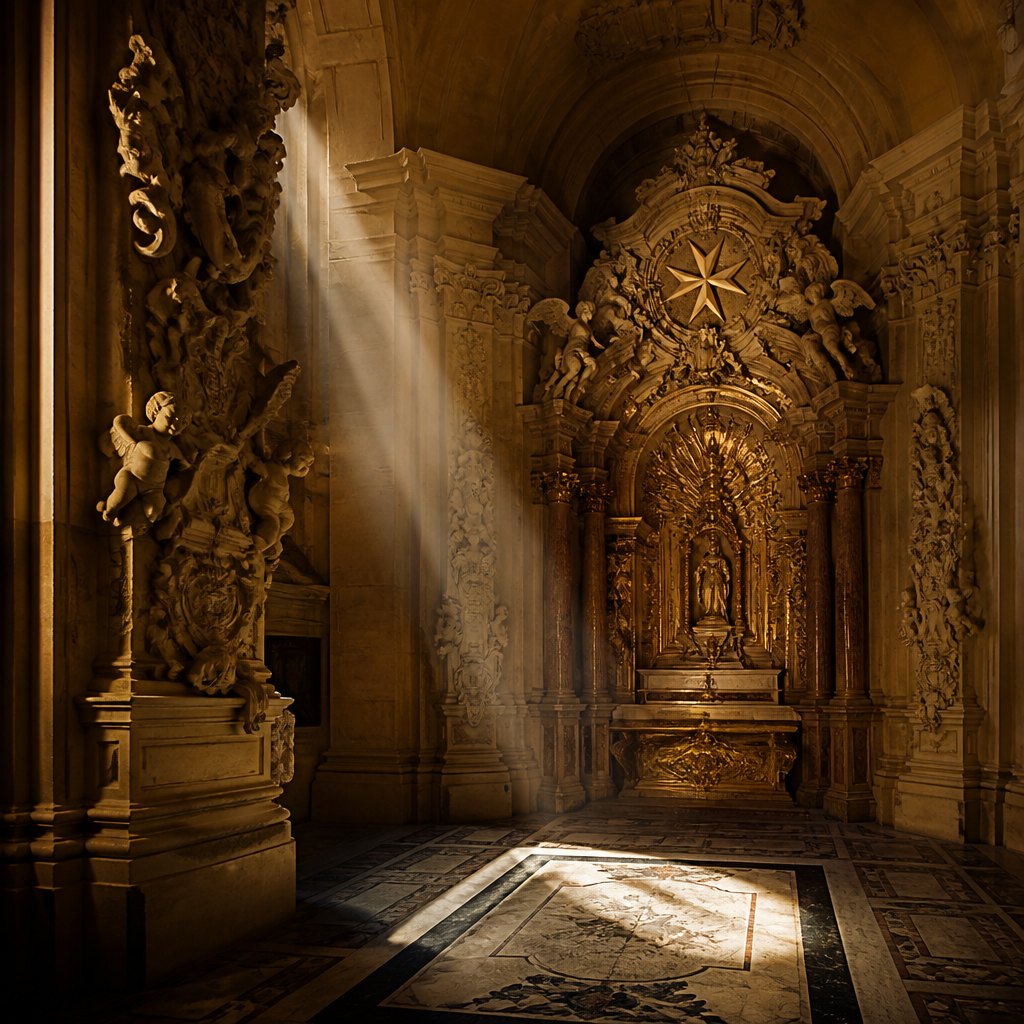 AI-generated
Work en plein air
Paint in the light of Valletta
This example was generated from a prompt like: “A Baroque church interior carved from honey-colored limestone, a single shaft of light falling across a marble inlaid tombstone floor, an eight-pointed cross carved above a gilded side chapel altar.”
Open the Valletta Art Style generator →The place today
St John's Co-Cathedral functions as both an active church and a museum housing Caravaggio's altarpiece in a dedicated oratory. The National Museum of Fine Arts in Valletta and the Grandmaster's Palace armoury hold further Order-era collections, and the city's bastions and streets survive largely intact behind UNESCO protection. Valletta served as European Capital of Culture in 2018, and restoration continues on the fortifications and limestone facades that define the historic core.
Compose your own
Ground the scene in honey-colored limestone architecture, carved directly rather than painted on. Use dramatic, single-source chiaroscuro lighting for figures, with deep shadow and a restricted palette of ochre, black, and flesh tones, echoing Baroque altarpiece painting. Add an eight-pointed cross somewhere in the composition, on a garment or carved into stone, to signal the military-religious order. Pair austere fortress exteriors with unexpectedly rich interior ornament: gilded stone carving, marble inlay, and a painted ceiling extending the architecture upward.
Frequently asked questions
Why is a Caravaggio painting in a Maltese cathedral?
Caravaggio fled to Malta in 1607 to escape a homicide charge in Rome, joined the Knights of St John in 1608, and painted the Beheading of Saint John the Baptist for the cathedral's oratory before being expelled from the Order that year.
What is a langue chapel?
Each national division of the Order of St John, called a langue, decorated its own side chapel inside St John's Co-Cathedral, competing in marble, gilding, and paintings to display its wealth and status.
Why do Valletta's buildings share the same golden color?
Almost every building uses local globigerina limestone, a soft sedimentary stone quarried on Malta that weathers to a warm honey tone and was easy to carve directly for ornament.
What does the Maltese cross represent?
It is the eight-pointed emblem of the Order of St John, the Knights Hospitaller who ruled Malta from 1530 to 1798, and it still appears across the country's civic and religious symbolism.