 Art
Art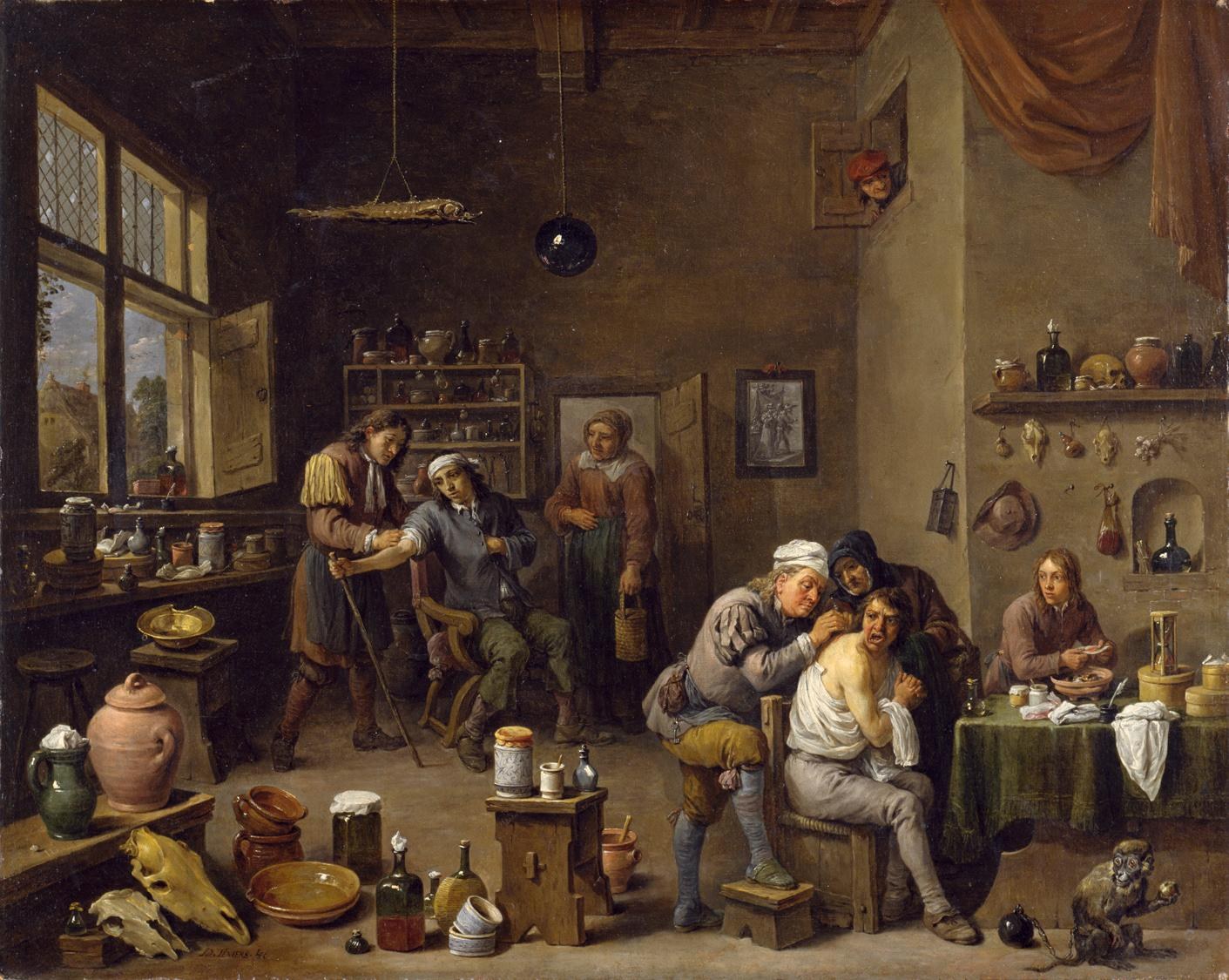
Antwerp art is the Baroque painting tradition that dominated the Southern Netherlands' largest port city from the late 1500s through the 1600s, built almost single-handedly around Peter Paul Rubens and his workshop system. When Spanish forces retook Antwerp in 1585 and Dutch blockades sealed the Scheldt river, the city lost its trading empire but kept its wealth and its Catholic institutions, which needed art to reassert the faith after decades of religious conflict. Rubens returned from Italy in 1608 having absorbed Venetian color and Roman drama, and built a studio that functioned like a manufacturing operation: assistants and specialist collaborators, Anthony van Dyck among them, handled backgrounds and drapery while Rubens painted faces and finished compositions, letting the workshop fill church altars and royal courts across Europe with astonishing speed. The result was an art of scale and motion: huge canvases, twisting bodies, and rich color meant to overwhelm a viewer standing in a nave, a direct answer to the Counter-Reformation's demand for art that moved the faithful rather than merely instructed them.
What marks the region
Workshop production
Large-scale studios divided labor among specialists in drapery, animals, and landscape, so major commissions could be finished at a pace no single painter could match alone.
Dynamic diagonal composition
Bodies twist along sweeping diagonals rather than static pyramids, built to pull a viewer's eye across a huge canvas in motion.
Counter-Reformation drama
Altarpieces were designed to overwhelm the senses, scale, gesture, and light calibrated to move a congregation rather than quietly instruct it.
Fleshy, painterly color
Warm, richly modeled flesh tones and loose, visible brushwork replaced the tight linear finish of the earlier Flemish Primitives.
Court and diplomatic portraiture
Portraits doubled as diplomatic currency, sent between courts to flatter rulers and cement alliances across Catholic Europe.
Hunting and mythological scenes
Large secular canvases of hunts, mythology, and allegory filled the townhouses of merchants who had grown rich enough to rival nobility.
Local signatures
How to spot Antwerp art
- Twisting, muscular bodies
- → Physical drama standing in for spiritual intensity, borrowed from Roman sculpture and Venetian color.
- Billowing red drapery
- → Movement and divine energy, a visual signal that a scene is caught mid-action.
- Cherubs in the clouds
- → Heaven breaking into the earthly scene below, a stock device of Counter-Reformation ceiling painting.
- Hunting dogs and dead game
- → Aristocratic leisure and mastery over nature, popular in the secular canvases workshop patrons commissioned.
- Gleaming armor
- → Worldly power paired with Christian virtue in portraits of military and civic leaders.
The story
Antwerp's rise began with the Scheldt river, which gave ships direct access to the North Sea and made the city Europe's busiest port by the mid-1500s. Religious war ended that: the 1585 Fall of Antwerp to Spanish forces triggered a Protestant exodus north, and the Dutch blockade of the Scheldt that followed strangled its trade for two centuries. What remained was a wealthy, firmly Catholic city eager to rebuild its identity through art. Peter Paul Rubens, back from eight years absorbing Titian and Roman antiquity, became the engine of that rebuilding, and his workshop trained and drew in a generation, Anthony van Dyck as a pupil and Jacob Jordaens as a frequent collaborator, who carried Antwerp's style into portraiture and genre painting even as Rubens himself worked as a diplomat between commissions. By his death in 1640, Antwerp had produced more altarpieces, mythological cycles, and royal portraits per capita than almost any city in Europe, a golden age compressed into a single lifetime.
Masterpieces of the place
| Work | Artist | Date | Why it matters |
|---|---|---|---|
| Elevation of the Cross | Peter Paul Rubens | 1610-11 | A triptych whose diagonal, muscular composition announced Antwerp's new Baroque style. |
| Descent from the Cross | Peter Paul Rubens | 1612-14 | Painted for Antwerp Cathedral, still displayed in the setting it was designed for. |
| Portrait of a Genoese Noblewoman | Anthony van Dyck | c. 1625 | Elegant court portraiture that carried Antwerp's workshop training into a distinct international style. |
| The Feast of the Bean King | Jacob Jordaens | c. 1640s | An earthy, crowded genre scene typical of Jordaens' departure from Rubens' courtly register. |
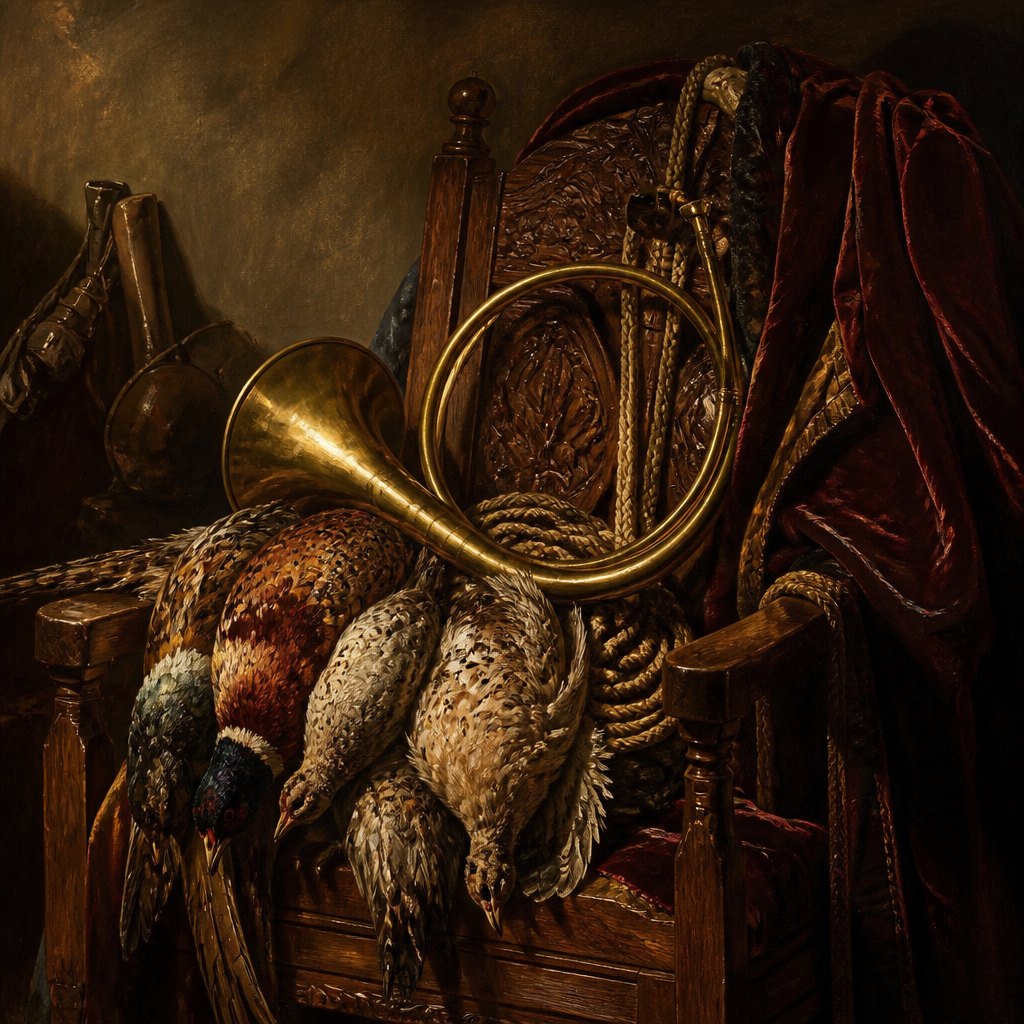 AI-generated
Work en plein air
Paint in the light of Antwerp
This example was generated from a prompt like: “A dramatic still life of hunting trophies: a brass horn, coiled rope, dead game birds, and a velvet cloak draped over an oak chair, lit by a single raking light source with rich, warm, painterly color and visible brushwork.”
Open the Antwerp Baroque Art Style generator →The place today
The Rubens House preserves the painter's studio and home as a working museum, while the Cathedral of Our Lady still displays altarpieces in the setting they were built for. Antwerp today runs on fashion and diamonds more than painting, but its art academy remains one of Europe's most respected, and the city leans hard into its Baroque identity for tourism, restoring churches and staging Rubens anniversaries as civic events.
Compose your own
Think in terms of a production line, not a single canvas. Rough out a dynamic diagonal composition first, bodies twisting rather than standing still, then build outward in layers: underpainting for form, then warm glazes for flesh, then loose, confident final strokes left visible rather than smoothed away. Reserve your tightest, most finished brushwork for faces and hands, letting drapery and background stay looser and more gestural. Push color temperature warm and saturated, and light the scene to hit one or two focal points hard while the rest falls into shadow. The goal is a single canvas that reads instantly from across a large room, not one built for close inspection.
Frequently asked questions
Why is Antwerp associated so strongly with one painter?
Peter Paul Rubens ran such a large, prolific workshop, and served as the city's unofficial cultural ambassador, that his style became the civic style. No other single artist so completely defined a European art capital.
What happened to Antwerp's port that shaped its art?
Dutch forces blockaded the Scheldt river after 1585, cutting off sea trade for roughly two centuries. Antwerp's existing wealth stayed largely intact, but its ambitions turned inward, toward church and civic art instead of commerce.
How does Antwerp Baroque differ from Italian Baroque?
Antwerp fused Italian drama and scale with Flemish material realism and workshop efficiency, producing warmer, fleshier color and a faster, more industrial production process than Roman ateliers typically used.
Who trained in Rubens' workshop?
Anthony van Dyck was the best-known pupil, later developing an elegant court portrait style of his own. Jacob Jordaens apprenticed to Adam van Noort rather than Rubens, but collaborated on Rubens' large commissions while pursuing earthier genre scenes.