 Art
Art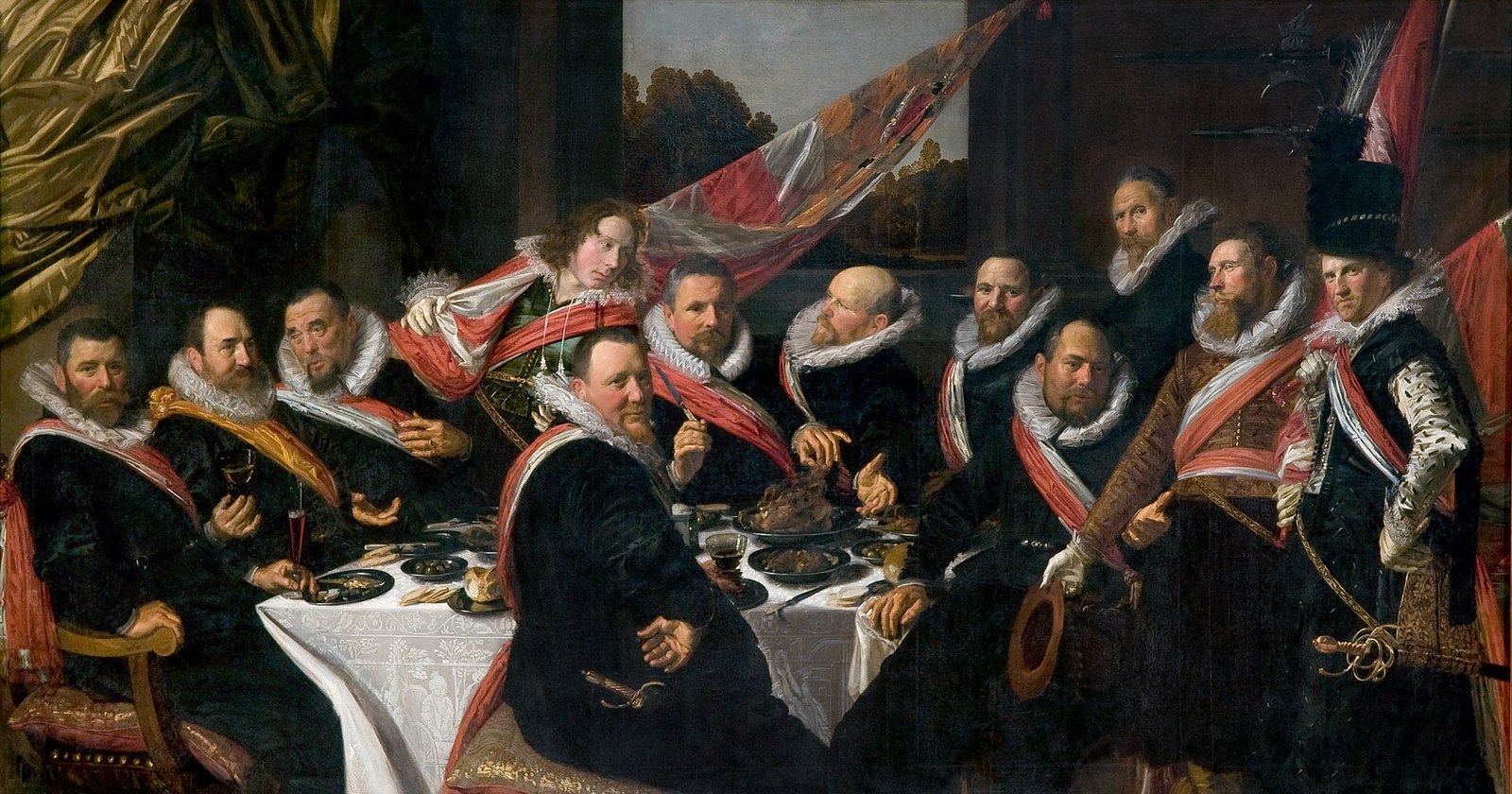
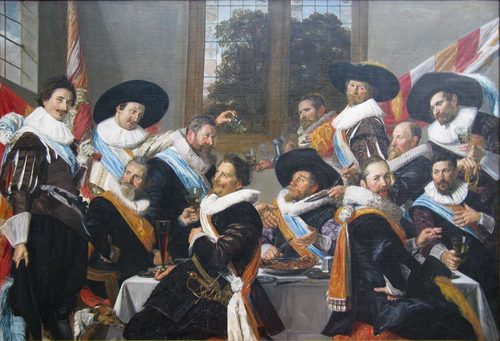
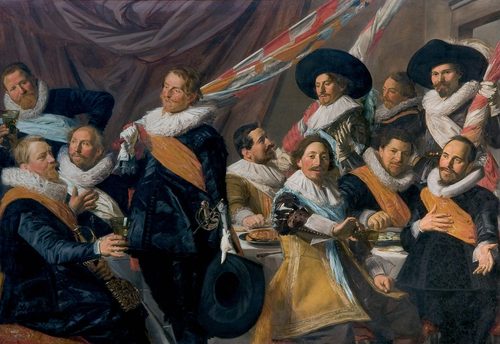
Haarlem art is the painting tradition of this North Holland city during the Dutch Golden Age, distinguished by a loose, visibly brushed style and one of Europe's earliest fully commercial art markets. Haarlem's economy ran on beer brewing, linen bleaching, and textile finishing rather than global trade, producing a broad merchant and guild class that bought art in volume rather than commissioning rare masterworks. Frans Hals became the city's defining painter, developing a rapid, sketch-like technique of visible, energetic brushstrokes that captured fleeting expression, especially laughter and movement, rather than the smooth, careful finish typical elsewhere. Haarlem's civic guard companies commissioned some of the era's liveliest group portraits, and the city also became a center for landscape painting and still life, with painters specializing narrowly to compete in a crowded, price-driven market. Guild rules and a local painters' academy structured training tightly, even as the market itself operated on open competition, with painters producing stock subjects speculatively for dealers and fairs rather than waiting on individual commissions.
What marks the region
Visible, rapid brushwork
Loose, energetic strokes left unblended on the canvas, prioritizing captured motion and expression over polished finish.
Momentary expression
Fleeting laughter, a half-turned glance, a raised glass, portraits caught mid-gesture rather than posed and still.
Civic guard group portraits
Large militia company portraits arranged figures informally around a table or banquet rather than in rigid rows.
Specialized genre painting
A crowded, competitive market pushed painters to specialize narrowly, one in landscape, another in tavern scenes, to stand out.
Monochrome tonal landscape
Early Haarlem landscapes favored near-monochrome grays and browns, emphasizing atmosphere and sky over color detail.
Speculative, market-driven subjects
Paintings were often made for open sale rather than commission, favoring popular, repeatable subjects buyers already wanted.
Local signatures
How to spot Haarlem art
- Raised wine glass or tankard
- → Conviviality and toasting, a favorite Haarlem motif for capturing a fleeting social moment.
- Half-turned, laughing face
- → Spontaneity and character over formal dignity, Haarlem's signature portrait approach.
- Militia sash across the chest
- → Civic and military duty within the informal, banquet-style group portrait format.
- Low, flat horizon with towering sky
- → The reclaimed, wind-flattened Dutch landscape, a regional specialty of Haarlem painters.
- Bleaching fields in the distance
- → The linen industry that funded the city, often visible in background landscape views.
The story
Haarlem's Golden Age grew from beer brewing and, especially, linen bleaching, an industry that used the region's clean water and open fields to whiten cloth shipped in from across Europe, drawing skilled labor and steady wealth. That merchant prosperity, combined with an influx of Flemish refugees fleeing the fall of Antwerp in 1585, built a large, competitive community of painters by the early 1600s. Frans Hals, likely part of that Flemish migration as a child, spent his entire career in Haarlem, developing a loose brush technique that stood apart from the careful finish favored in Amsterdam or Delft, and painting the city's civic guard companies in some of the era's most lively group portraits. Landscape painters including Jacob van Ruisdael's uncle Salomon van Ruysdael refined a distinctly Dutch, near-monochrome style of sky and dune scenes around the same decades. Haarlem's crowded, competitive art market pushed prices down and specialization up, and by Hals's old age, changing taste and poverty had left him painting for charity support rather than commission.
Masterpieces of the place
| Work | Artist | Date | Why it matters |
|---|---|---|---|
| The Laughing Cavalier | Frans Hals | 1624 | A portrait built entirely on loose, energetic brushwork and a fleeting, animated expression. |
| Banquet of the Officers of the St George Civic Guard | Frans Hals | 1616 | An informal group portrait that broke from rigid rows into lively, individualized poses. |
| Regentesses of the Old Men's Almshouse | Frans Hals | 1664 | A late, somber group portrait painted while Hals himself depended on charity. |
| View of Haarlem with Bleaching Fields | Jacob van Ruisdael | c. 1670s | A near-monochrome landscape capturing the linen industry that funded the city. |
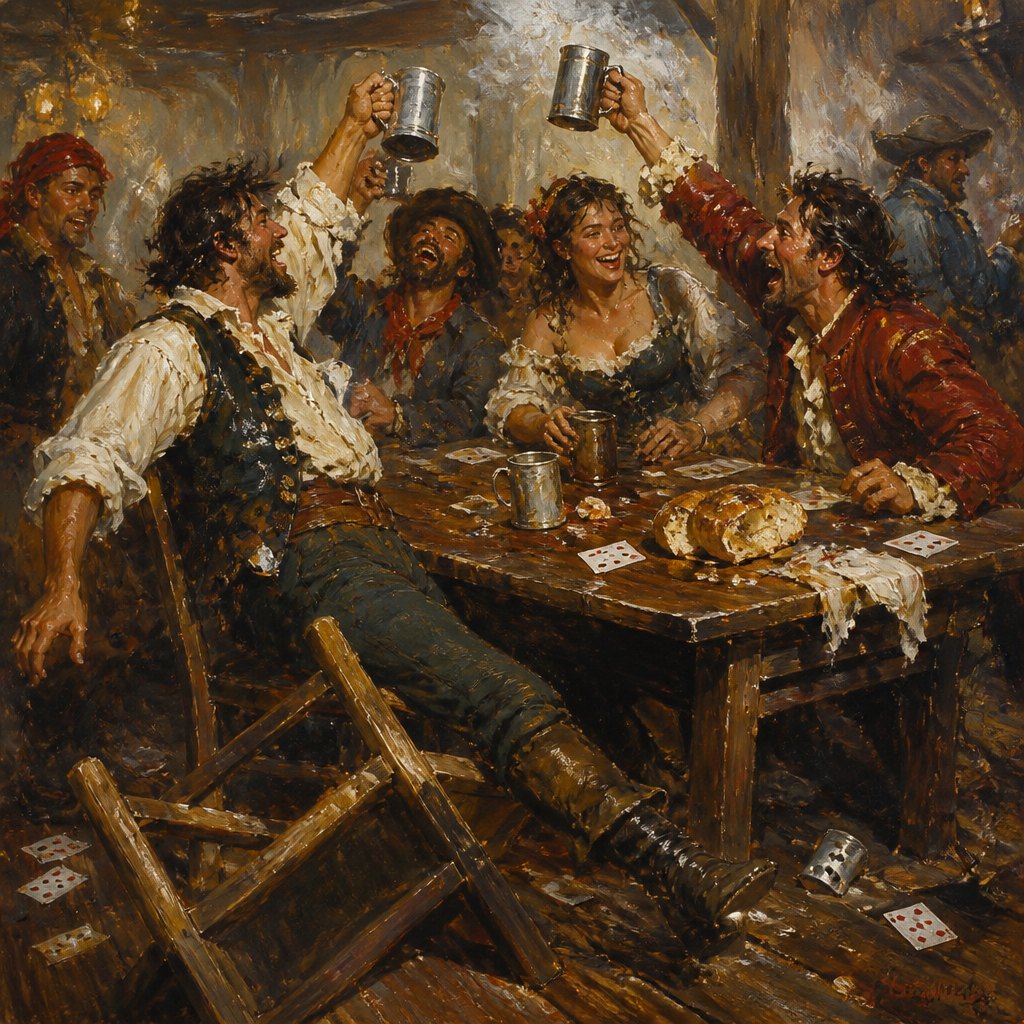 AI-generated
Work en plein air
Paint in the light of Haarlem
This example was generated from a prompt like: “A lively tavern table scene: raised tankards, a half-eaten loaf, an overturned chair, and scattered playing cards caught in a single loud moment, painted with loose, energetic, visible brushstrokes that favor captured motion over careful finish.”
Open the Haarlem Golden Age Art Style generator →The place today
The Frans Hals Museum, housed in the former old men's almshouse whose regents and regentesses Hals painted in his final years, holds the core collection of his group portraits in the city that made them. Haarlem's historic core, still built around its linen and brewing-era street plan, draws visitors as a quieter alternative to Amsterdam's larger museums. Contemporary art activity in Haarlem is modest compared to its Golden Age output, with the city's reputation resting almost entirely on Hals and 17th-century landscape painting.
Compose your own
Work fast and let the brushwork show. Lay in a pose that suggests movement already in progress, a turned shoulder, a raised arm, a glance caught mid-shift, rather than a static, frontal stance. Use confident, visible strokes for clothing and hands, applying color in quick, loaded touches rather than smooth blending, and leave some edges deliberately rough. Aim to capture an expression at its peak, especially a laugh or half-smile, since a held, formal expression works against the style entirely. If painting a group, cluster figures informally around a shared activity like a meal or toast rather than lining them up in rows.
Frequently asked questions
What made Frans Hals' technique unusual for its time?
He painted with fast, visible brushstrokes left unblended, capturing fleeting expression and movement rather than the smooth, careful finish most contemporaries favored, a technique later admired by 19th-century Impressionists.
Why did Haarlem have so many painters in the 1600s?
Flemish refugees fleeing Antwerp's 1585 fall settled there, and steady wealth from brewing and linen bleaching created a large buyer class, producing one of the era's most crowded, competitive art markets.
What is a civic guard portrait?
A group portrait commissioned by a militia company, showing its members together, often at a shared meal or muster. Haarlem's versions are known for informal, lively arrangements rather than rigid rows.
Did Frans Hals only paint portraits?
Portraits and group civic guard paintings dominated his output, though he occasionally painted genre scenes of everyday figures. He is not known for landscape or still life, unlike many Haarlem contemporaries.