 Art
Art
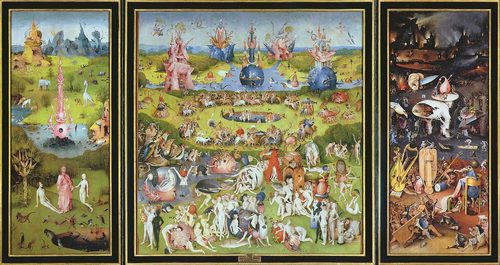
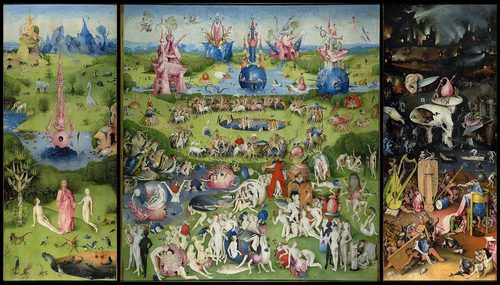
Ghent was, by the 1300s, one of the largest and richest cities north of the Alps, its economy built on wool imported from England and woven into cloth for export across Europe. That wealth financed the Adoration of the Mystic Lamb, a twenty-panel altarpiece begun by Hubert van Eyck and finished by his brother Jan in 1432 for the church of Saint John, later Saint Bavo Cathedral. Its combination of oil glazing, closely observed detail, and monumental scale made it the single work every ambitious Northern painter had to answer to. Ghent's guild-based civic government, proud and often rebellious toward its Burgundian and Habsburg rulers, funded churches and confraternities rather than a royal court, and the city also supported a parallel tradition of manuscript illumination that flourished into the early 1500s. Ghent's textile wealth declined after repeated conflicts with its rulers, but the altarpiece remained in place, making the city a pilgrimage site for painters, and later, restorers.
What marks the region
Monumental altarpiece scale
Unlike Bruges's intimate panels, Ghent commissions could run to multi-panel polyptychs over three meters wide, built to be opened and closed on liturgical calendar days.
Oil glazing over grisaille underpainting
Painters built luminous color over grisaille or chalk-white underlayers, a technique refined enough to render stone, wool, and jewels within a single panel.
Civic and guild patronage
Wealthy guilds and confraternities, not a resident royal court, commissioned Ghent's major religious works, tying the art directly to the city's own commercial pride.
Closed and open states
Major altarpieces were designed with distinct closed-wing and open-wing views, showing a muted grisaille exterior on ordinary days and full color on feast days.
Manuscript illumination alongside panel painting
Ghent supported active scriptoria producing richly bordered books of hours, a parallel luxury trade sharing painters' pigments and patrons with panel commissions.
Botanical and animal precision
Painters rendered plant species and livestock with near-scientific accuracy, reflecting a city whose wealth depended on agricultural trade as much as cloth.
Local signatures
How to spot Ghent art
- Lamb on an altar
- → A central sacrificial motif taken directly from the city's most famous altarpiece and echoed in later local commissions.
- Fountain of Life
- → An octagonal fountain of flowing water symbolizing spiritual renewal, a recurring detail in Ghent's devotional panels.
- Grisaille exterior wing
- → A monochrome painted figure on an altarpiece's closed exterior, imitating stone sculpture and marking the work's everyday, unopened state.
- Turreted city skyline background
- → A distant view of spires and towers standing in for a sacred city, often resembling Ghent's own civic skyline.
- Jewel-crusted crown or mitre
- → Rendered stone by stone in oil to display both artistic virtuosity and the wealth of the confraternity that commissioned the panel.
- Marginal drollery in manuscripts
- → Small humorous or grotesque figures in a book of hours' border, a signature of Ghent's illumination workshops.
The story
Ghent's cloth industry made it, by the 1300s, larger than London or Paris in population, governed by powerful guilds that repeatedly clashed with their rulers, including a revolt crushed by Charles V, Ghent's native son, in 1540. Hubert van Eyck began the Adoration of the Mystic Lamb before his death in 1426, and his brother Jan completed it by 1432 for the church of Saint John, renamed Saint Bavo Cathedral in 1559. The altarpiece survived Reformation-era iconoclasm in 1566 and Napoleonic seizure in 1794, returning from Paris in 1815. Two panels were stolen from the cathedral in 1934; the Just Judges was never recovered and was replaced by a copy in 1945. During the Second World War the altarpiece was seized by German occupying authorities and stored in the Altaussee salt mine in Austria until Allied forces recovered it in 1945. Ghent's manuscript illumination workshops, active into the early 1500s, ran alongside this panel-painting tradition.
Masterpieces of the place
| Work | Artist | Date | Why it matters |
|---|---|---|---|
| The Ghent Altarpiece (Adoration of the Mystic Lamb) | Hubert and Jan van Eyck | 1432 | A twenty-panel polyptych for Saint Bavo Cathedral that became the technical benchmark for Northern European oil painting. |
| Saint Bavo Cathedral | Unknown | 1274-1569 | The Gothic church built to house the altarpiece and serve the city's guild-funded civic devotion. |
| Da Costa Hours | Simon Bening | c. 1515 | An illuminated book of hours from the Ghent-Bruges school, prized for its naturalistic border decoration. |
| Grimani Breviary | Ghent-Bruges school illuminators | c. 1510s | A luxury breviary combining multiple Ghent and Bruges illuminators' hands in a single manuscript. |
| Belfry of Ghent | Unknown | completed 1380 | A civic bell tower symbolizing guild independence, later listed among Belgium's UNESCO belfries. |
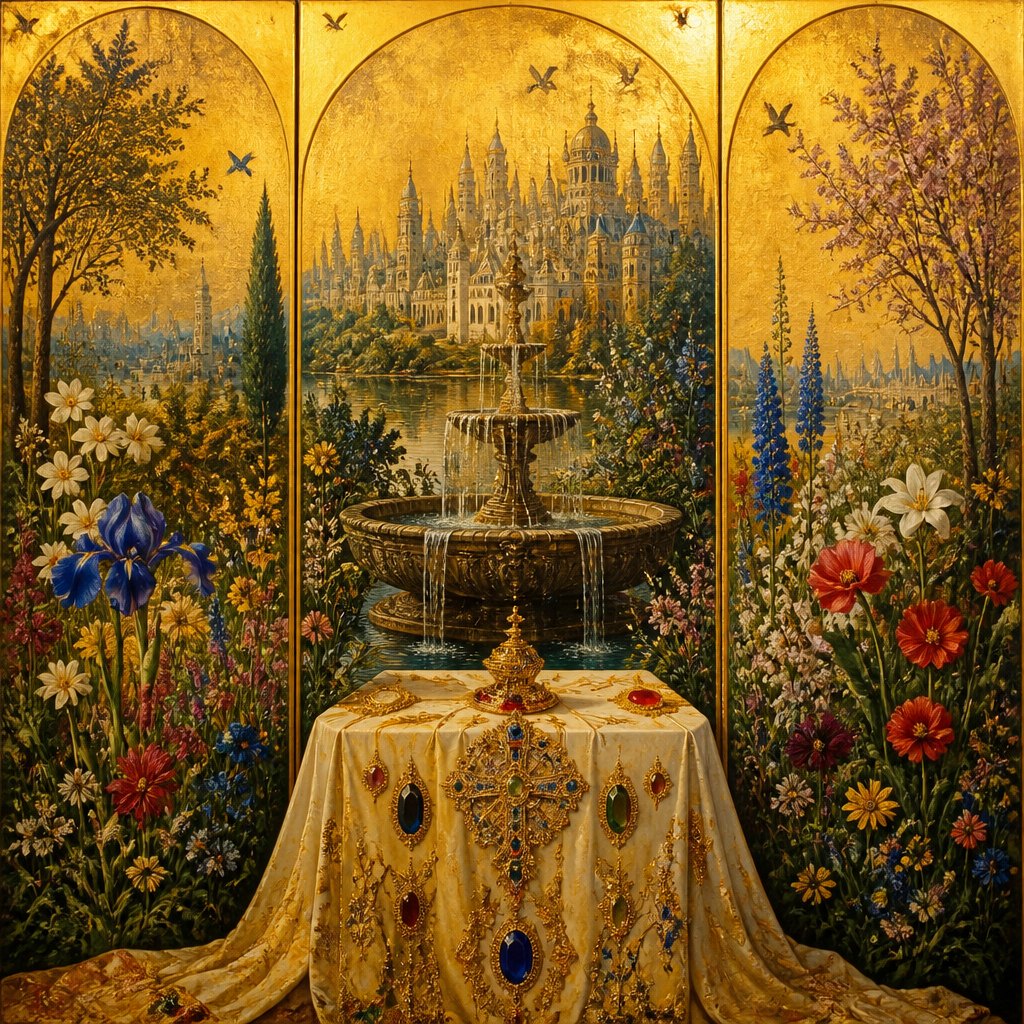 AI-generated
Work en plein air
Paint in the light of Ghent
This example was generated from a prompt like: “A radiant multi-panel scene: a flowering meadow with a fountain of flowing water, a distant turreted city skyline, and jeweled altar cloth, rendered in rich gold-ground oil glazes with meticulous botanical detail.”
Open the Ghent Art Style generator →The place today
Saint Bavo Cathedral still displays the Ghent Altarpiece, its Just Judges panel replaced by a 1945 copy while the original remains missing. The Museum voor Schone Kunsten (MSK Ghent) and the STAM city museum hold related panels and civic history. The Belfry and Gothic guildhalls along the Graslei quay preserve the medieval cloth-trade skyline. The city today combines a working university and contemporary art scene with the altarpiece as its historic anchor.
Compose your own
Build a multi-panel composition, even if only implied by strong internal framing, and design distinct closed and open states: a muted, sculptural grisaille exterior giving way to a saturated, gold-ground interior. Render fabric, jewels, and plant life with equal, patient precision across the whole surface rather than concentrating detail on one figure. Include a distant skyline of spires standing in for a sacred city. Keep the palette rich but controlled, deep green and red reserved for robes, gold for haloes and thrones, and let a fountain or spring appear somewhere as a quiet symbol of renewal.
Frequently asked questions
What is the Ghent Altarpiece?
A twenty-panel polyptych, the Adoration of the Mystic Lamb, begun by Hubert van Eyck and completed by his brother Jan in 1432 for what is now Saint Bavo Cathedral. It is considered a founding work of Northern European oil painting.
Is the Ghent Altarpiece complete today?
Nearly. One panel, the Just Judges, was stolen in 1934 and never recovered; a copy painted in 1945 stands in its place. The rest of the altarpiece remains in Saint Bavo Cathedral.
How does Ghent's art scene differ from Bruges's?
Ghent's commissions ran larger and more civic, funded by powerful guilds rather than a resident court, and the city sustained a parallel manuscript illumination trade alongside panel painting into the 1500s.
What happened to the altarpiece during the Second World War?
It was seized by German occupying authorities and stored in the Altaussee salt mine in Austria before Allied forces recovered it in 1945, along with other looted European artworks held there.