 Art
Art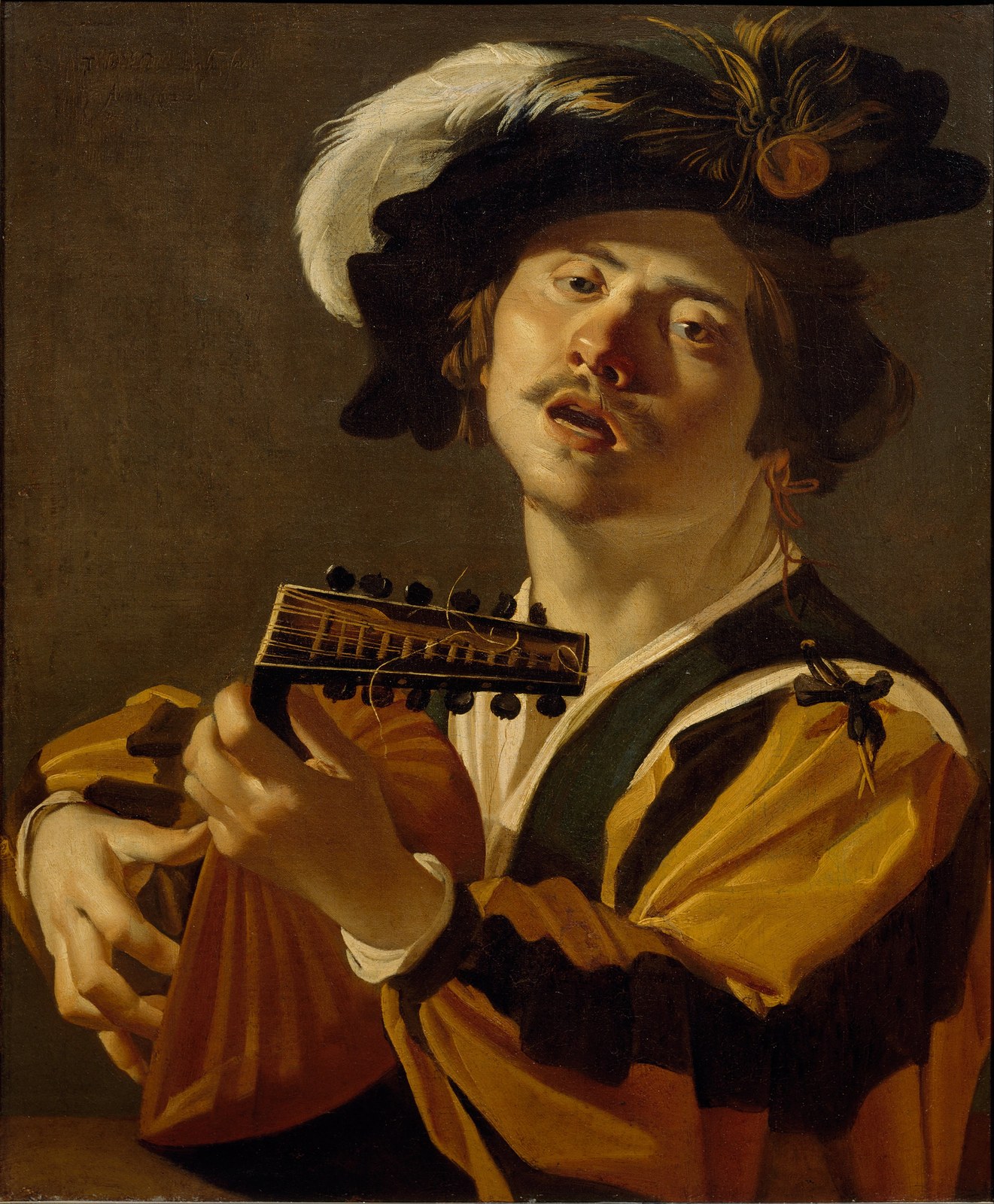
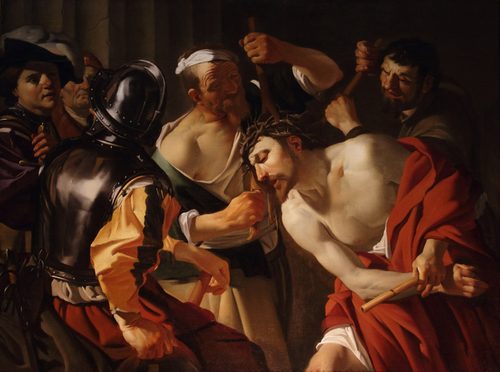
Utrecht was the medieval seat of the Bishopric of Utrecht, religious capital of the northern Low Countries since the 8th century, and its scriptoria produced richly illuminated books of hours well into the 1400s. After the Dutch Republic formed in the late 1500s, Utrecht kept a larger Catholic population than Holland's Protestant strongholds, and its painters remained unusually connected to Italy. In the 1610s a group of young Utrecht artists, including Hendrick ter Brugghen, Gerard van Honthorst, and Dirck van Baburen, traveled to Rome, studied the style Caravaggio had left behind, and joined the Bentvueghels, a fraternity of Northern artists working there. Returning to Utrecht around 1620, they founded what is now called the Utrecht Caravaggisti, painting half-length musicians, gamblers, and card players lit by hidden candle flames. The style faded within a generation as Amsterdam's market grew, but its lighting reached Delft and shaped the young Johannes Vermeer's early work.
What marks the region
Roman apprenticeship
Young Utrecht painters traveled to Rome in the 1610s, studied Caravaggio's followers firsthand, and joined the Bentvueghels artist fraternity before carrying the style home around 1620.
Concealed candlelight
A single candle flame, often hidden behind a hand, book, or figure within the scene, casts dramatic light across the composition without a visible external source.
Half-length genre figures
Musicians, card players, and tavern scenes fill the frame close-up in half length, a compositional habit borrowed directly from Caravaggio's own Roman paintings.
Moralizing genre subjects
Taverns, gambling, and flirtation scenes doubled as allegories on the senses and worldly vice, meant for private collectors rather than church walls.
Warm tenebrist palette
Deep shadow at the composition's edges frames pools of warm ochre and red light, a stronger contrast than the cooler, evenly lit interiors typical of Amsterdam painting.
Manuscript inheritance
Before painting's rise, Utrecht's medieval scriptoria produced books of hours with grisaille miniatures and lively marginal drolleries, a craft later eclipsed by panel and canvas work.
Local signatures
How to spot Utrecht art
- Hidden candle flame
- → A light source tucked behind a hand or object, marking the composition's Roman-derived, artificially lit staging.
- Playing cards and dice
- → Props signaling gambling and worldly vice within a moralizing genre scene.
- Lute or violin held mid-play
- → A musician mid-performance representing the sense of hearing and social conviviality.
- Raised wine glass
- → A toast gesture standing for the sense of taste and tavern conviviality.
- Coin exchanged between figures
- → A payment gesture marking scenes of venal bargaining or paid company.
- Plumed or feathered hat
- → A self-identifying costume detail linked to the Bentvueghels fraternity of Northern artists active in Rome.
The story
Utrecht became the seat of a bishopric under Willibrord in 695 and remained the religious center of the northern Low Countries through the medieval period, its scriptoria producing illuminated books of hours into the 1400s, including work associated with the Masters of Catherine of Cleves around 1440. The Union of Utrecht in 1579 helped found the Dutch Republic, though the city kept a larger Catholic population than Holland's cities. In the 1610s Hendrick ter Brugghen, Gerard van Honthorst, and Dirck van Baburen each traveled to Rome, where Caravaggio's chiaroscuro, though the painter himself died in 1610, still shaped a generation of followers. All three had returned to Utrecht by the early 1620s, painting candlelit genre scenes that made the city briefly a rival to Amsterdam. Van Honthorst gained the Italian nickname Gherardo delle Notti for his night scenes. The style declined through the 1630s as Amsterdam's market expanded, though Utrecht Caravaggist paintings entered Delft collections and influenced younger painters there, including the young Johannes Vermeer.
Masterpieces of the place
| Work | Artist | Date | Why it matters |
|---|---|---|---|
| The Procuress | Dirck van Baburen | 1622 | A tavern bargaining scene later owned in Delft by Vermeer's family, showing the Utrecht style's direct local influence. |
| Christ before the High Priest | Gerard van Honthorst | c. 1617 | A single-candle nocturne painted in Rome that helped earn Honthorst the nickname Gherardo delle Notti. |
| The Calling of Saint Matthew | Hendrick ter Brugghen | 1621 | A close, half-length composition adapting a Roman subject to Utrecht's own theatrical lighting. |
| Hours of Catherine of Cleves | Master of Catherine of Cleves | c. 1440 | An illuminated book of hours with inventive marginal decoration, made in Utrecht before the city's later Golden Age painting. |
| Democritus and Heraclitus | Hendrick ter Brugghen | 1628 | A paired half-length composition contrasting the laughing and weeping philosopher, a popular Utrecht genre-history subject. |
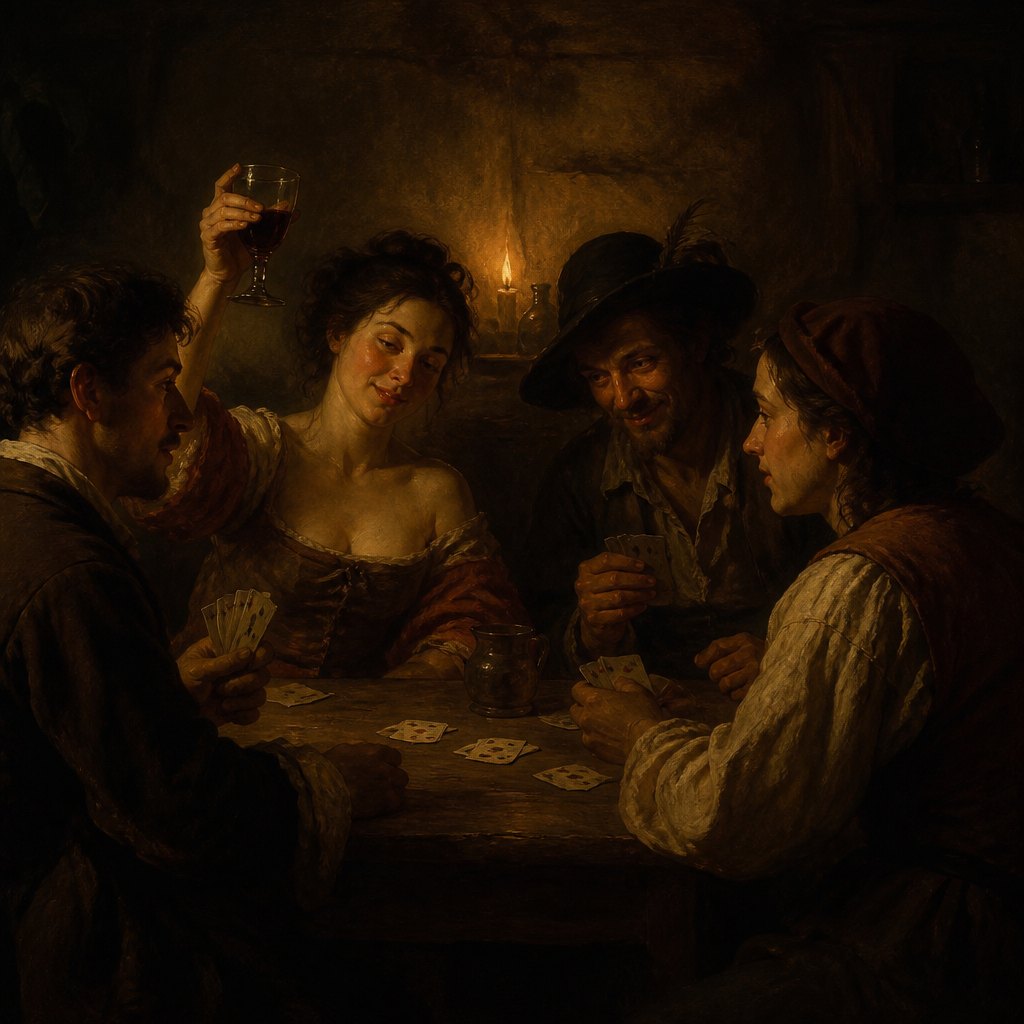 AI-generated
Work en plein air
Paint in the light of Utrecht
This example was generated from a prompt like: “A dim tavern interior lit by a single hidden candle: a card game in progress, a raised wine glass, warm ochre shadow pressing close around half-length figures at a plain wooden table.”
Open the Utrecht Art Style generator →The place today
Centraal Museum Utrecht holds the largest concentrated collection of Utrecht Caravaggisti paintings alongside medieval manuscript material. Museum Catharijneconvent, dedicated to the region's religious art, occupies a former convent near the Dom Tower, the city's medieval cathedral spire. Utrecht's compact old center and canal-level wharves remain largely intact, and the university city today supports active art conservation and restoration studios rather than a defined contemporary painting school.
Compose your own
Set the scene close and half-length, figures pressed near the picture plane as if lit for a stage. Place a single candle inside the composition itself, hidden behind a hand, a book, or a raised arm, so its glow reads as the only light source. Push shadow hard into the corners and let warm ochre, red, and flesh tones dominate a narrow, restrained palette. Choose an everyday subject, a card game, a tavern toast, a musician mid-note, rather than a grand narrative. Keep gesture theatrical but the setting plain, a bare table or a dark wall, so the lighting itself carries the drama.
Frequently asked questions
What are the Utrecht Caravaggisti?
A group of early 1600s Utrecht painters, chiefly Hendrick ter Brugghen, Gerard van Honthorst, and Dirck van Baburen, who studied Caravaggio's style in Rome and brought candlelit chiaroscuro and half-length genre scenes back to the Dutch Republic around 1620.
How is Utrecht painting different from Amsterdam's Golden Age style?
Utrecht painters favored dramatic, single-source candlelight and close, half-length genre scenes learned in Rome, while Amsterdam painting developed a broader range of evenly lit portraiture, still life, and history subjects for a larger market.
Did the Utrecht style influence later Dutch painters?
Yes. Utrecht Caravaggist paintings entered Delft collections, and their treatment of light is considered a factor in the young Johannes Vermeer's early dramatic lighting before he developed his own quieter interior style.
Why did Utrecht have closer ties to Rome than other Dutch cities?
Utrecht kept a larger Catholic population and clergy after the Dutch Republic's Protestant turn, and its painters had personal reasons to travel to Rome, where they joined the expatriate Bentvueghels artist fraternity.