 Art
Art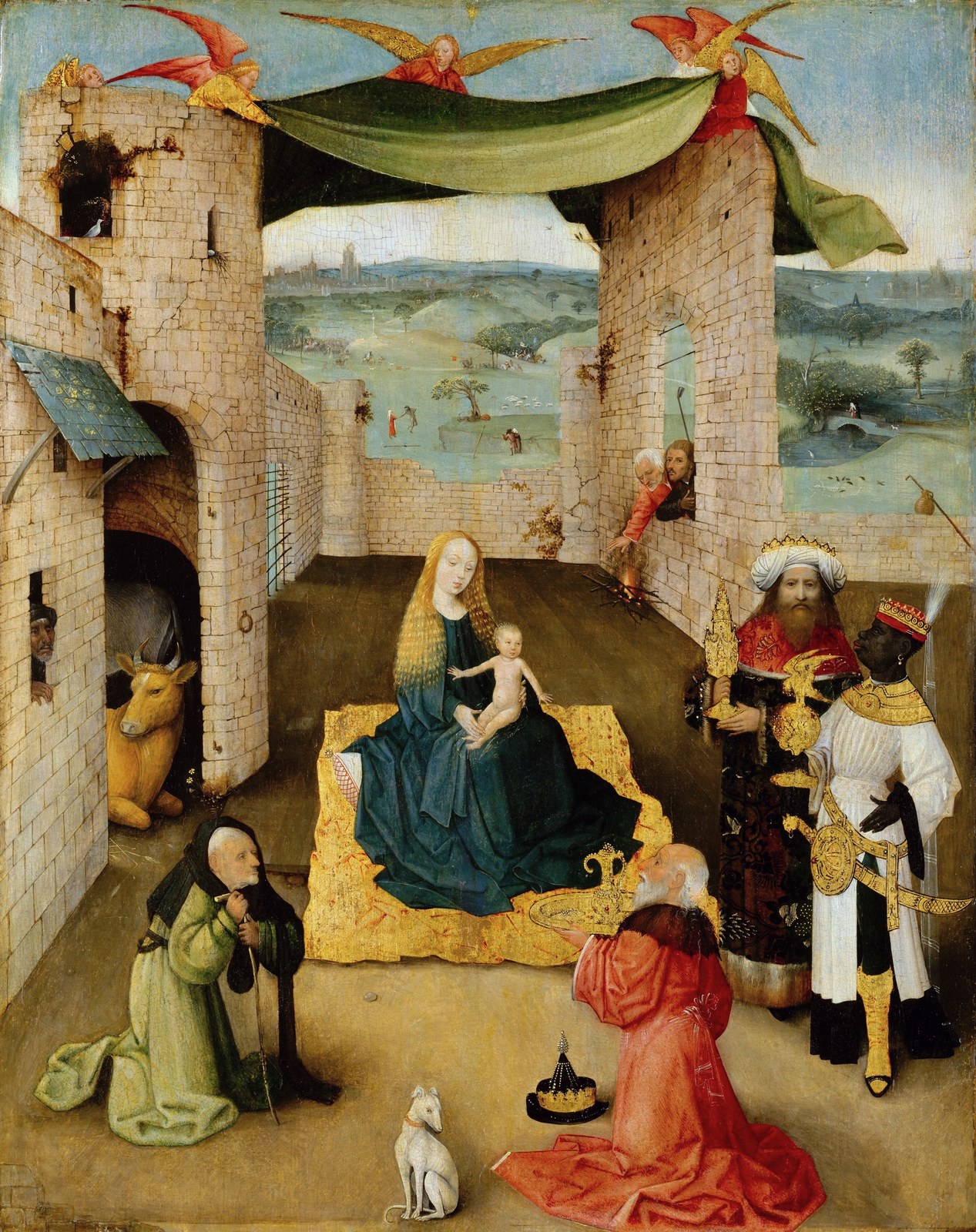
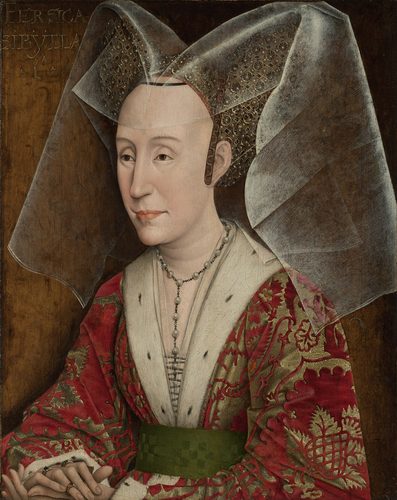
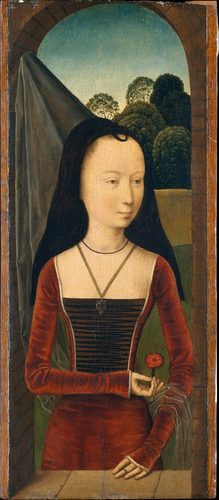
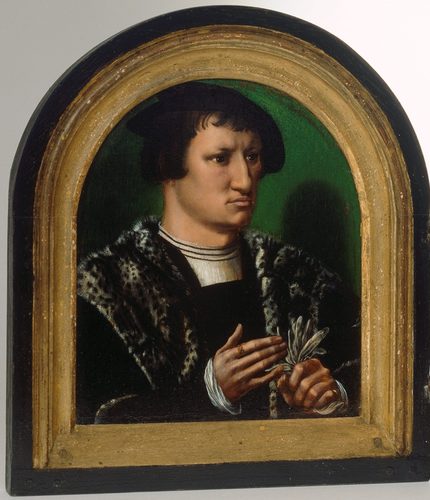
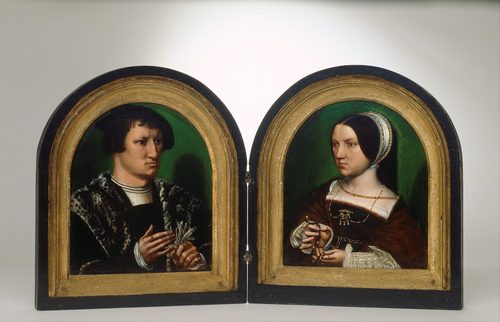
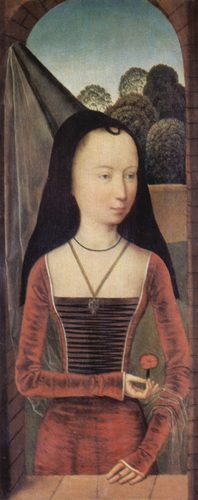
Bruges was the commercial capital of the Burgundian Netherlands in the 1400s, its canals linking English wool, Italian banking, and Baltic trade into one of the richest cities in Europe. That wealth drew the Burgundian court, and Jan van Eyck served as court painter to Philip the Good from around 1425, working from a Bruges workshop where he perfected layered oil glazing on oak panel. Bruges had no fresco-workshop tradition, so its painters built a portable, panel-based practice suited to guild chapels, private devotion, and the merchant houses of the city's Italian banking colony, including a Medici branch. Hans Memling, arriving from the Rhineland around 1465, absorbed van Eyck's technique and softened it for the altarpieces of Bruges's hospital and confraternities. The city's decline began as the Zwin channel to the sea silted through the later 1400s, shifting trade and artists to Antwerp, but Bruges kept its finished golden-age townscape largely intact.
What marks the region
Oil glazing on oak panel
Bruges painters built images in thin, translucent oil layers over an underpainting on oak panel, achieving depth of color and light no fresco or tempera surface in the region could match.
Donor portraits
Merchant and clergy patrons had themselves painted kneeling within the sacred scene itself, a visual contract linking their commission, their piety, and the altar it faced.
Disguised symbolism
Ordinary household objects, a basin, a candle, a discarded shoe, carried hidden religious meaning, letting a domestic interior double as a theological statement without a single obvious halo.
Small devotional scale
Most commissions stayed intimate, diptychs and small triptychs made for private chapels and townhouse altars rather than the vast public walls Italian churches demanded.
Imported materials
Ultramarine ground from lapis lazuli, fine linen, and gold leaf arrived through the same trade networks that made Bruges rich, letting painters afford pigments few other cities could source.
Guild regulation
The Bruges painters' guild of Saint Luke set standards for panel preparation and pigment quality, giving the city's altarpieces a shared technical consistency across different workshops.
Local signatures
How to spot Bruges art
- Kneeling donor figure
- → A patron shown in prayer beside the holy figures, marking a work as a personal commission for a specific chapel.
- Oriental carpet underfoot
- → Imported Anatolian rugs placed beneath a throne or altar signal the wealth of Bruges's international trade.
- Rosary or prayer beads
- → A strand of beads held or hung nearby ties a devotional confraternity practice to the painted scene.
- Convex mirror
- → Reflects the room's unseen occupants and the painter's presence, extending the pictured space beyond the panel.
- Pelican piercing its breast
- → A self-sacrifice symbol tied to Bruges's hospital commissions, referencing Christ's Passion through a bird feeding its young with its own blood.
- Family coat of arms
- → A shield in a panel's corner or frame identifies the merchant or guild that funded the altarpiece.
The story
Bruges grew rich on the wool staple and money-changing trade of the 1300s-1400s, becoming the effective capital of Burgundian Netherlands under Philip the Good. Jan van Eyck settled there as court painter around 1425, and his refinement of oil technique, seen in the Ghent Altarpiece he completed with his brother Hubert in 1432 and the Arnolfini Portrait of 1434, set a technical benchmark other cities scrambled to match. Petrus Christus continued the workshop tradition after van Eyck's death in 1441. Hans Memling, established in Bruges by 1465, produced altarpieces for the Hospitaal Sint-Jan and Bruges's merchant families until his death in 1494. Michelangelo's marble Madonna of Bruges, bought by a Bruges cloth-merchant family and installed in the Church of Our Lady in 1506, shows the city's reach even into Italian sculpture markets. Bruges's harbor access silted through the later 1400s, and trade, then painters, migrated to Antwerp, leaving Bruges's medieval core and its paintings preserved together largely unchanged.
Masterpieces of the place
| Work | Artist | Date | Why it matters |
|---|---|---|---|
| The Arnolfini Portrait | Jan van Eyck | 1434 | A Bruges merchant couple rendered in exacting oil detail, now read as a document of the city's trading class. |
| Madonna of Bruges | Michelangelo | 1501-1504 | A marble Madonna bought by a Bruges cloth-merchant family and installed in the Church of Our Lady in 1506. |
| Moreel Triptych | Hans Memling | 1484 | A Bruges civic patron and his family flank the Virgin, typical of the city's donor-portrait altarpieces. |
| The Judgment of Cambyses | Gerard David | 1498 | Painted for Bruges's town hall as a civic warning against corrupt magistrates. |
| Portrait of Margaret van Eyck | Jan van Eyck | 1439 | A closely observed likeness of the painter's wife, among the earliest surviving Northern portrait pendants. |
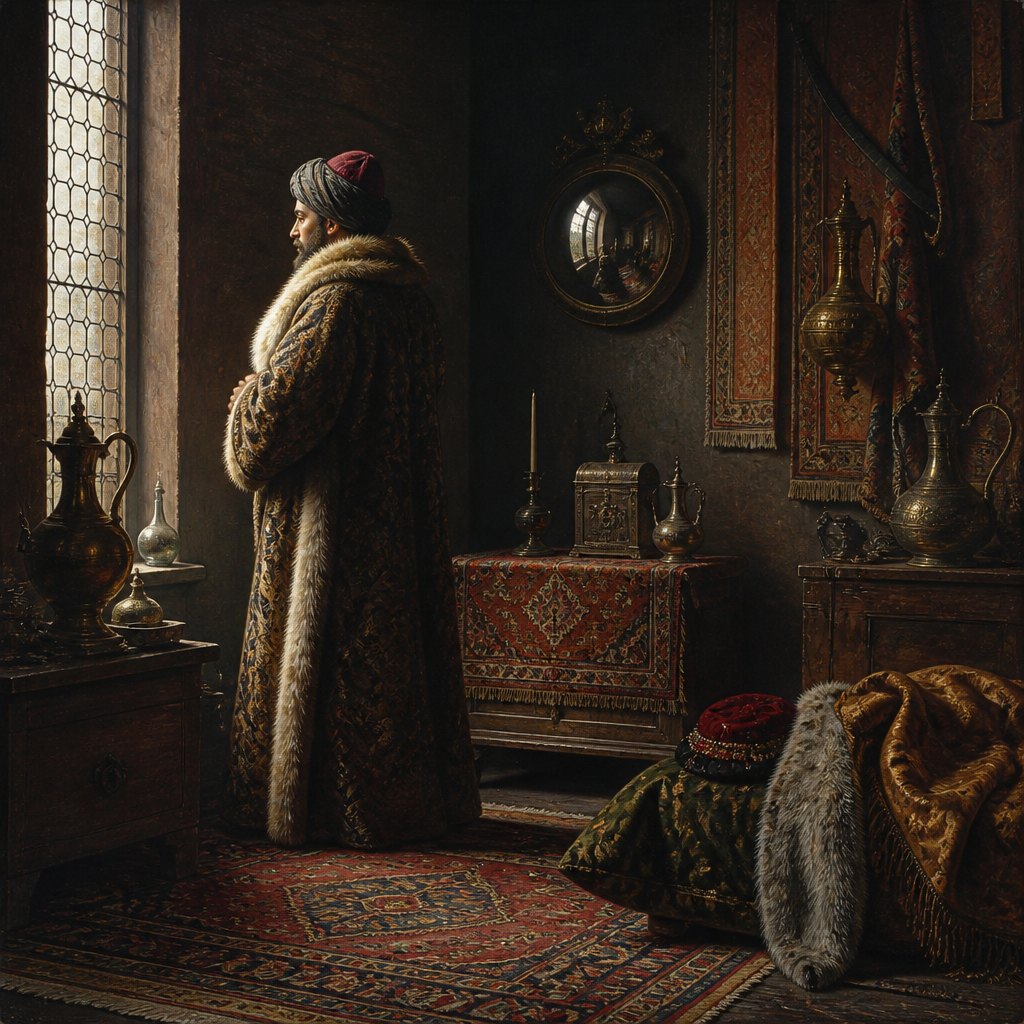 AI-generated
Work en plein air
Paint in the light of Bruges
This example was generated from a prompt like: “A merchant's chamber lit by a single leaded window: a fur-trimmed robe, an Anatolian carpet beneath a small altar, a convex mirror on the wall, rendered in glowing translucent oil layers with obsessive material detail.”
Open the Bruges Art Style generator →The place today
The Groeningemuseum holds the core Bruges collection, from van Eyck to Gerard David, steps from the streets they depicted. The Hospitaalmuseum in the former Sint-Janshospitaal keeps Memling's altarpieces in the rooms they were painted for. The Church of Our Lady still displays Michelangelo's Madonna. Bruges's canal-lined center, largely intact since the 1400s, is a UNESCO World Heritage site, and the city functions today as a preserved golden age rather than a center of new production.
Compose your own
Work in thin oil glazes over a pale ground, letting light seem to rise from inside the paint rather than sit on the surface. Choose one imported luxury object, glass, fur, a rug, gold thread, and render it with more patience than anything else in the frame. Place a donor figure kneeling at one side, dressed exactly as a real patron would be, hands folded, face unidealized. Set the scene indoors, with a leaded window casting cool, directional light, and let a single ordinary object, a candle, a basin, carry unstated religious weight. Keep the palette a bit desaturated, reserving strong color for cloth and heraldry alone.
Frequently asked questions
What distinguishes Bruges painting from later Antwerp painting?
Bruges work belongs to the earlier Burgundian court era, the 1420s-1490s, built on oil-panel technique and donor-portrait altarpieces for merchant patrons. Antwerp's boom came later, after 1500, with a larger export market and more varied subjects.
Why did Bruges stop being a leading art center?
The Zwin channel connecting Bruges to the sea silted up through the later 1400s, cutting direct maritime trade. Merchants and painters gradually relocated to Antwerp, which had the deep-water access Bruges had lost.
Why is there a Michelangelo sculpture in Bruges?
A Bruges cloth-merchant family purchased the marble Madonna directly and had it installed in the Church of Our Lady in 1506, one of the few Michelangelo works to leave Italy during his lifetime.
Who were the main painters of the Bruges school?
Jan van Eyck, active from around 1425, established the technique; Petrus Christus continued it after 1444; Hans Memling, working from 1465, and Gerard David, active by the 1480s, carried it through the century's end.