 Art
Art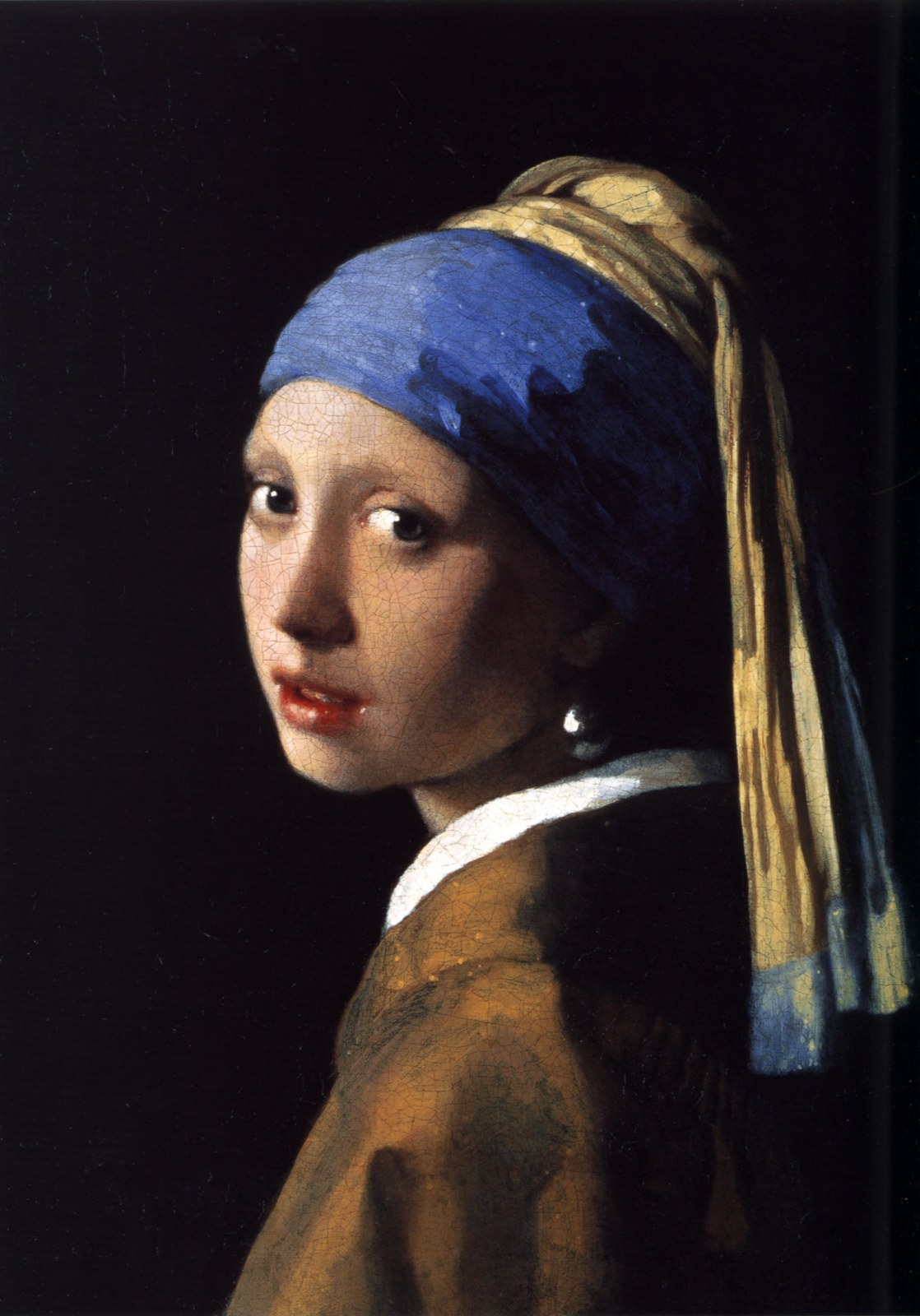
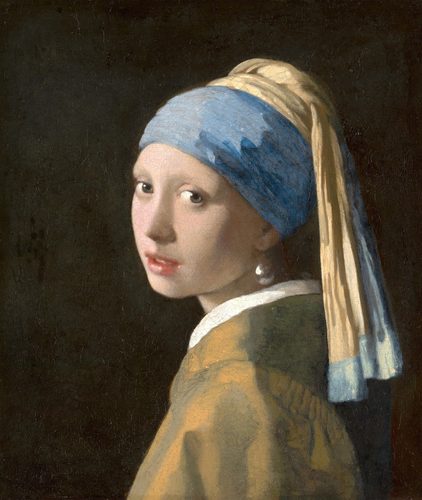
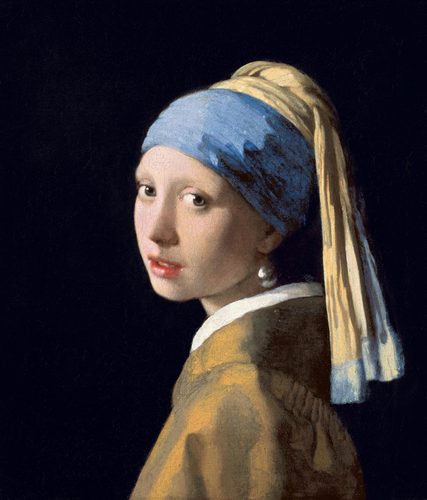
Delft art refers to two distinct but geographically linked traditions from this small Dutch city during the 17th-century Golden Age: the painting of Johannes Vermeer and his circle, and the ceramics industry known as Delftware. Delft was smaller and quieter than Amsterdam, a garrison and administrative town with a stable, prosperous merchant class rather than a boom economy, and that steadiness shows in its painting, calm, carefully composed domestic interiors rather than dramatic action. Vermeer worked slowly, producing perhaps three dozen surviving paintings in a career built around a handful of recurring motifs: a woman by a window, a map on the wall, light falling through leaded glass onto a tiled floor. Separately, Delft's potters responded to the Dutch East India Company's imports of Chinese porcelain by developing tin-glazed earthenware painted in the same cobalt blue, an affordable local substitute that became famous in its own right. The two traditions rarely overlap directly, but both reflect a city organized around careful, controlled craft rather than speed or scale.
What marks the region
Controlled, even light
A single window, usually to the left, casts calm, evenly graded light across a room rather than dramatic contrast.
Domestic single-figure scenes
One woman, absorbed in a quiet task, reading, pouring, weighing, dominates the composition, with minimal background clutter.
Camera obscura precision
Soft-focus highlights and precise spatial perspective suggest painters studied optical devices to plan compositions before painting.
Cobalt-on-white ceramics
Delftware potters painted blue tin-glazed earthenware in patterns adapted from imported Chinese porcelain, developing a distinct local visual language.
Small, unhurried output
Painters here worked slowly and in small numbers, prioritizing finish and precision over the volume-driven market of nearby Amsterdam.
Maps and measuring instruments
Globes, maps, and scientific instruments appear often, reflecting Delft's ties to trade, cartography, and the Republic's administrative class.
Local signatures
How to spot Delft art
- Woman at a window with a letter
- → Private thought and the emotional weight of absent trade-voyage husbands and correspondence.
- Wall map
- → The Dutch Republic's global trade reach entering even the most intimate domestic space.
- Pearl earring or necklace
- → Modest luxury, a single detail signaling status without ostentation.
- Cobalt-blue windmill or ship motif
- → On Delftware, a shorthand for Dutch national identity aimed partly at export buyers.
- Weighing scale
- → Moral and material balance, often paired with a religious painting glimpsed in the background.
- Tiled checkerboard floor
- → Ordered, measured space, reinforcing the calm geometry of Delft's domestic interiors.
The story
Delft's 17th-century identity split between two industries. Its potters, reacting to Dutch East India Company shipments of Chinese porcelain that flooded the market after 1600, developed tin-glazed earthenware painted in imitation blue-and-white, and by mid-century Delftware factories were a major local employer and export earner in their own right. Painting followed a quieter path. Johannes Vermeer, a Delft native who likely trained locally, worked in near-total obscurity outside his own city for most of his career, running an inn and dealing art on the side to support his large family. He produced few paintings, refined them slowly, and sold mostly to a small circle of local patrons rather than the open Amsterdam market. A catastrophic gunpowder magazine explosion in 1654 devastated much of the city and killed the painter Carel Fabritius, Vermeer's likely teacher, but Delft rebuilt. Vermeer died in 1675, deeply in debt, and was largely forgotten until 19th-century critics rediscovered his work and made him one of the era's most celebrated names.
Masterpieces of the place
| Work | Artist | Date | Why it matters |
|---|---|---|---|
| Girl with a Pearl Earring | Johannes Vermeer | c. 1665 | A close, luminous single-figure study that became the era's most recognized image. |
| View of Delft | Johannes Vermeer | c. 1660-61 | A rare cityscape rendering Delft's own skyline in precise, glowing daylight. |
| The Milkmaid | Johannes Vermeer | c. 1658-59 | A quiet domestic task elevated to monumental stillness through controlled light. |
| The Goldfinch | Carel Fabritius | 1654 | A small, sharply lit panel by Vermeer's likely teacher, painted the year he died in Delft's explosion. |
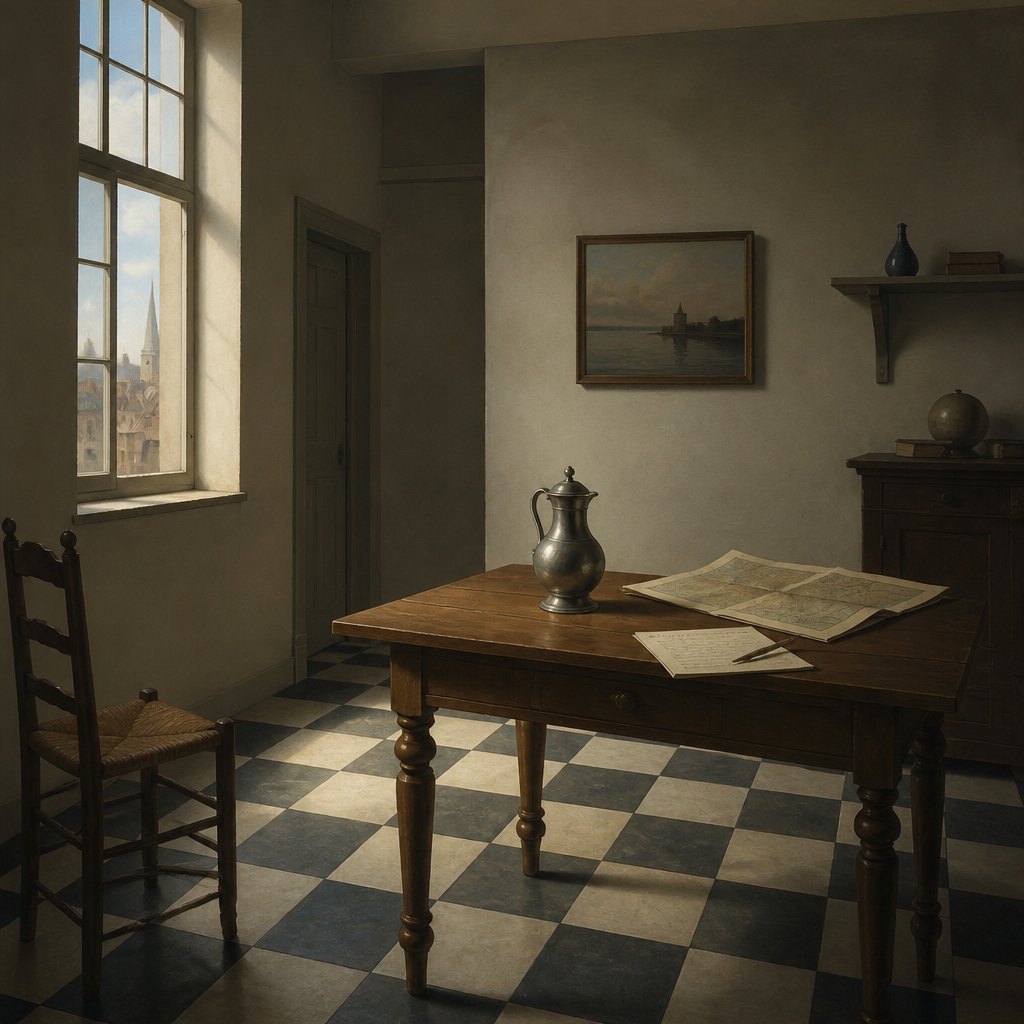 AI-generated
Work en plein air
Paint in the light of Delft
This example was generated from a prompt like: “A calm room lit by one tall window: a wooden table holding a pewter jug, a folded map, and a half-written letter, sunlight grading softly across a tiled checkerboard floor, rendered with quiet, precise color and even, controlled light.”
Open the Delft Blue Art Style generator →The place today
Delft's town center still looks much as Vermeer painted it, and the Vermeer Centrum offers reproductions and context since almost none of his original works remain in the city itself. The Royal Delft factory continues hand-painting traditional blue-and-white earthenware using centuries-old methods, selling largely to tourists and collectors. Delft today trades heavily on both legacies, functioning more as a heritage destination than a working art center, with its university now the city's larger economic engine.
Compose your own
Set the entire scene in one room, lit by a single window positioned to one side, and let the light grade smoothly from bright to shadow without hard edges. Place one figure absorbed in a quiet, specific task rather than posing, and keep the surrounding space nearly empty except for one or two meaningful objects, a map, a letter, a weighing scale. Build color in small, precise touches rather than broad strokes, and pay unusual attention to how light catches texture: wool, pearl, glazed tile. Resist any hint of motion or drama. The goal is stillness so complete it feels like a held breath rather than a captured instant.
Frequently asked questions
Is Delftware the same as Delft painting?
No. Delftware is tin-glazed blue-and-white pottery made by local factories, while Delft painting refers to artists like Johannes Vermeer. They share a city and era but developed independently for different markets.
Why are there so few surviving Vermeer paintings?
He worked slowly, produced only around three dozen known works in his lifetime, and had no large workshop to increase output, unlike more commercially prolific contemporaries in Amsterdam or Antwerp.
What inspired Delftware's blue-and-white style?
Imported Chinese porcelain flooding the Dutch market after 1600 through the East India Company. Local potters could not replicate true porcelain, so they adapted the blue-and-white look onto tin-glazed earthenware instead.
Why was Vermeer forgotten for so long after his death?
He sold mostly to a small local circle, left debts rather than a fortune, and had no workshop of students to preserve his reputation. Critics only rediscovered him in the 19th century.