 Art
Art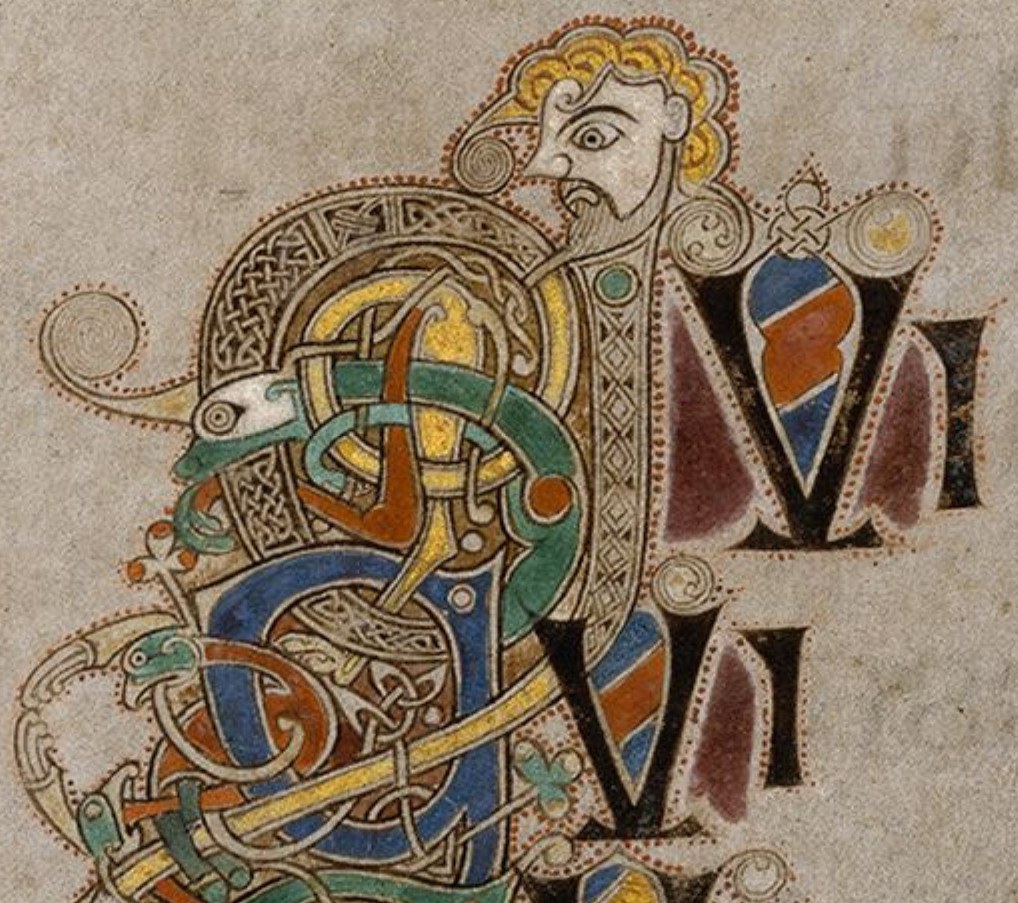
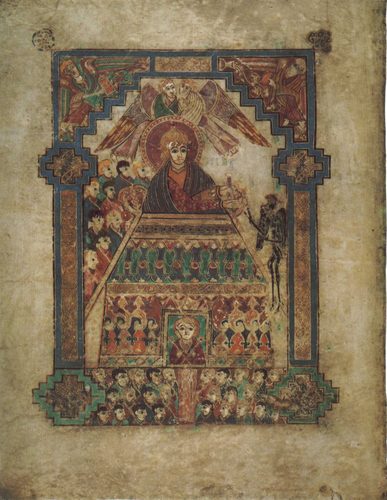
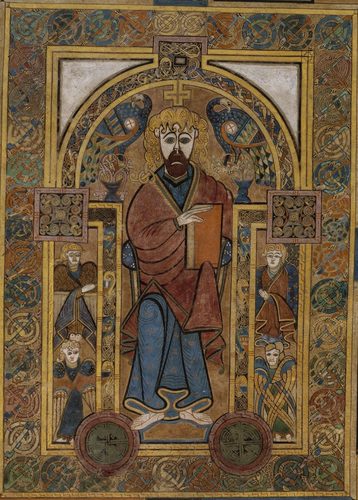
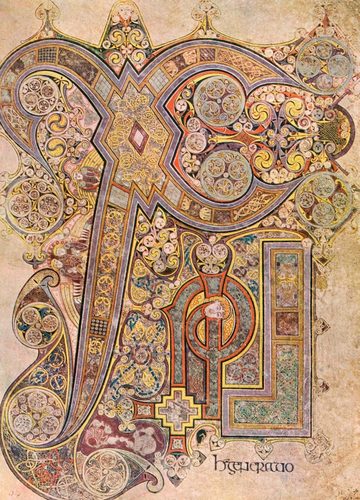
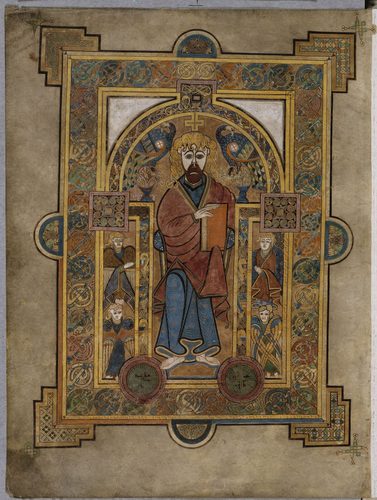
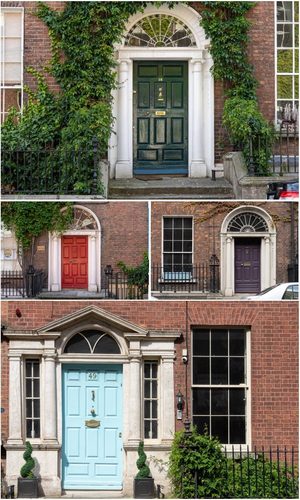
Dublin's contribution to art history spans well over a millennium and several distinct eras rather than one continuous school. Early medieval monastic scriptoria produced the Insular manuscript tradition, dense interlace and zoomorphic ornament exemplified by the Book of Kells, created around 800. Centuries later, Dublin's status as administrative capital under British rule funded an eighteenth-century Georgian building boom, ordered brick terraces, fanlit doorways, and civic set-pieces like James Gandon's Custom House, that gave the city its enduring architectural character. Painting in this period served the Anglo-Irish gentry with portraiture and topographical views. The late 1800s brought a Celtic Revival, reviving early medieval interlace and mythological subjects as part of a broader cultural nationalist movement. In 1908 Hugh Lane's Municipal Gallery of Modern Art opened as one of the first public galleries anywhere dedicated to living artists' work, marking Dublin's growing engagement with contemporary European painting alongside its older manuscript and architectural inheritance.
What marks the region
Insular interlace ornament
Manuscript decoration built from tightly woven knotwork, spirals, and animal forms, applied with extreme patience to small parchment pages by monastic scribes.
Georgian architectural order
Symmetrical brick facades, fanlight windows over paneled doors, and uniform terrace heights gave the city's streetscape a restrained Neoclassical rhythm still governing its center.
Anglo-Irish portraiture
Landed and professional patrons commissioned formal portraits and estate views, a market that sustained Dublin painters through the Georgian period even without a strong royal court.
Celtic Revival motif
Late nineteenth-century painters and designers revived early medieval interlace and mythological subjects as a deliberate assertion of a distinct Irish visual identity.
Stained glass craft
Early twentieth-century workshops applied Celtic Revival ornament and saturated color to ecclesiastical and civic stained glass commissions across the city.
Public collecting culture
Municipal and national galleries, unusually early for their kind, prioritized acquiring contemporary and European work alongside historic Irish material.
Local signatures
How to spot Dublin art
- Interlace knotwork
- → Continuous woven line patterns without beginning or end, a signature of Insular manuscript and metalwork design.
- Fanlight doorway
- → The semicircular glazed window above a paneled front door marks a building as Georgian Dublin, often above a brightly painted door.
- Round tower
- → A tall tapering stone tower, originally monastic, used in Celtic Revival imagery as shorthand for early Christian Ireland.
- Harp
- → Ireland's heraldic and musical emblem appears across manuscripts, coinage, and Revival-era design as a national symbol.
- Zoomorphic letterforms
- → Manuscript initials built from interlocking animal and bird shapes, a distinctly Insular approach to decorated text.
- Georgian brick and painted door
- → Muted red brick facades punctuated by brightly painted front doors define the city's residential squares and their painted depictions.
The story
Dublin's earliest surviving artistic peak is monastic: the Book of Kells, produced around 800, likely at a Columban foundation, represents the high point of Insular manuscript illumination, its interlace and animal ornament unmatched in complexity. Viking and later Anglo-Norman rule reshaped the city without erasing this tradition entirely. The eighteenth century brought a Georgian building boom under the Wide Streets Commission, established in 1757, and civic architects including James Gandon, whose Custom House opened in 1791. The Royal Dublin Society, founded in 1731, and the Royal Hibernian Academy, established in 1823, supported painting and design training. The National Gallery of Ireland opened in 1864. Cultural nationalism in the late 1800s produced a Celtic Revival, reviving early medieval motifs in painting, stained glass, and design. In 1908 Hugh Lane's Municipal Gallery of Modern Art opened, among the earliest public galleries dedicated to contemporary art anywhere, bringing French Impressionist and Post-Impressionist works into contact with Dublin's older manuscript and Georgian inheritance.
Masterpieces of the place
| Work | Artist | Date | Why it matters |
|---|---|---|---|
| Book of Kells | Unknown | c. 800 | An illuminated Gospel manuscript of extreme decorative complexity, produced by Columban monks and held at Trinity College Dublin. |
| Ardagh Chalice | Unknown | 8th century | A masterpiece of Insular metalwork found in County Limerick, now displayed at the National Museum of Ireland. |
| The Custom House | James Gandon | 1791 | A Neoclassical riverside civic building that became a defining image of Georgian Dublin's architectural ambition. |
| The Dublin Volunteers on College Green, 4 November 1779 | Francis Wheatley | 1780 | A large civic group portrait documenting Dublin's Georgian public life and political ferment. |
| Tea in the Garden | Walter Osborne | 1902 | A light-filled outdoor scene showing Dublin's late Victorian painters absorbing plein-air technique. |
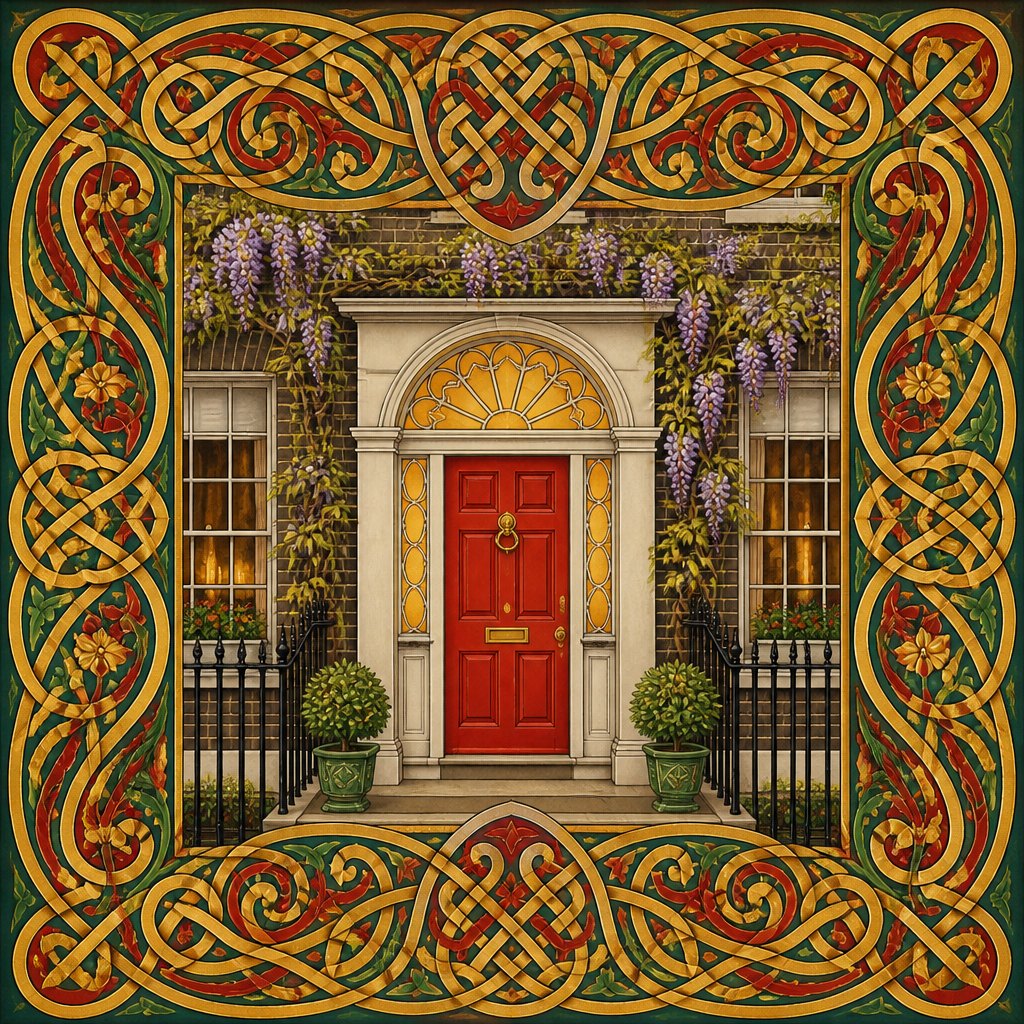 AI-generated
Work en plein air
Paint in the light of Dublin
This example was generated from a prompt like: “A Georgian townhouse facade with a brightly painted front door and glazed fanlight, bordered by an intricate woven knotwork pattern in red, gold, and green filling the frame like an illuminated manuscript page.”
Open the Dublin Art Style generator →The place today
Trinity College Library displays the Book of Kells to steady queues year-round. The National Gallery of Ireland and the National Museum of Ireland hold the Georgian portraiture and early medieval metalwork respectively. The Hugh Lane Gallery continues its founding mission as a public modern art collection. Georgian Dublin survives largely intact around Merrion Square and Fitzwilliam Square, its brick terraces and painted fanlit doors still forming the backdrop for the city's museums, letting visitors move directly between painted, architectural, and manuscript strands of the same tradition.
Compose your own
For an Insular manuscript effect, build dense, continuous interlace patterns from thin, precise lines, incorporating stylized animal heads and spirals into letterforms rather than around them, using flat, saturated color fields, red, yellow, green, with no shading. For a Georgian Dublin scene, keep facades symmetrical and restrained, brick-red or gray stone, with a single bright painted door and glazed fanlight as the visual focus, avoiding excess ornament elsewhere. For a Celtic Revival mood, combine early medieval knotwork borders with a more naturalistic central image, a common Revival-era pairing. Across all three modes, favor disciplined, repeatable pattern over spontaneous gesture, since precision and structure define Dublin's visual traditions from manuscript to streetscape.
Frequently asked questions
What is the Book of Kells and why does it matter?
An illuminated Gospel manuscript created around 800, likely at a Columban monastery, it represents the peak of Insular art's interlace and ornament, and remains Ireland's most visited artwork at Trinity College Dublin.
What defines Georgian Dublin's visual style?
Symmetrical brick terraces, fanlight windows over paneled front doors, and civic set-pieces like the Custom House, built under an organized eighteenth-century street-planning program still shaping the city center.
What was the Celtic Revival?
A late nineteenth-century movement reviving early medieval interlace and mythological subjects in painting, stained glass, and design, tied to a broader cultural nationalist movement in Ireland.
Why is the Hugh Lane Gallery historically significant?
Opened in 1908, it was among the earliest public galleries anywhere dedicated to contemporary art, bringing French Impressionist and Post-Impressionist works to Dublin audiences early.