 Art
Art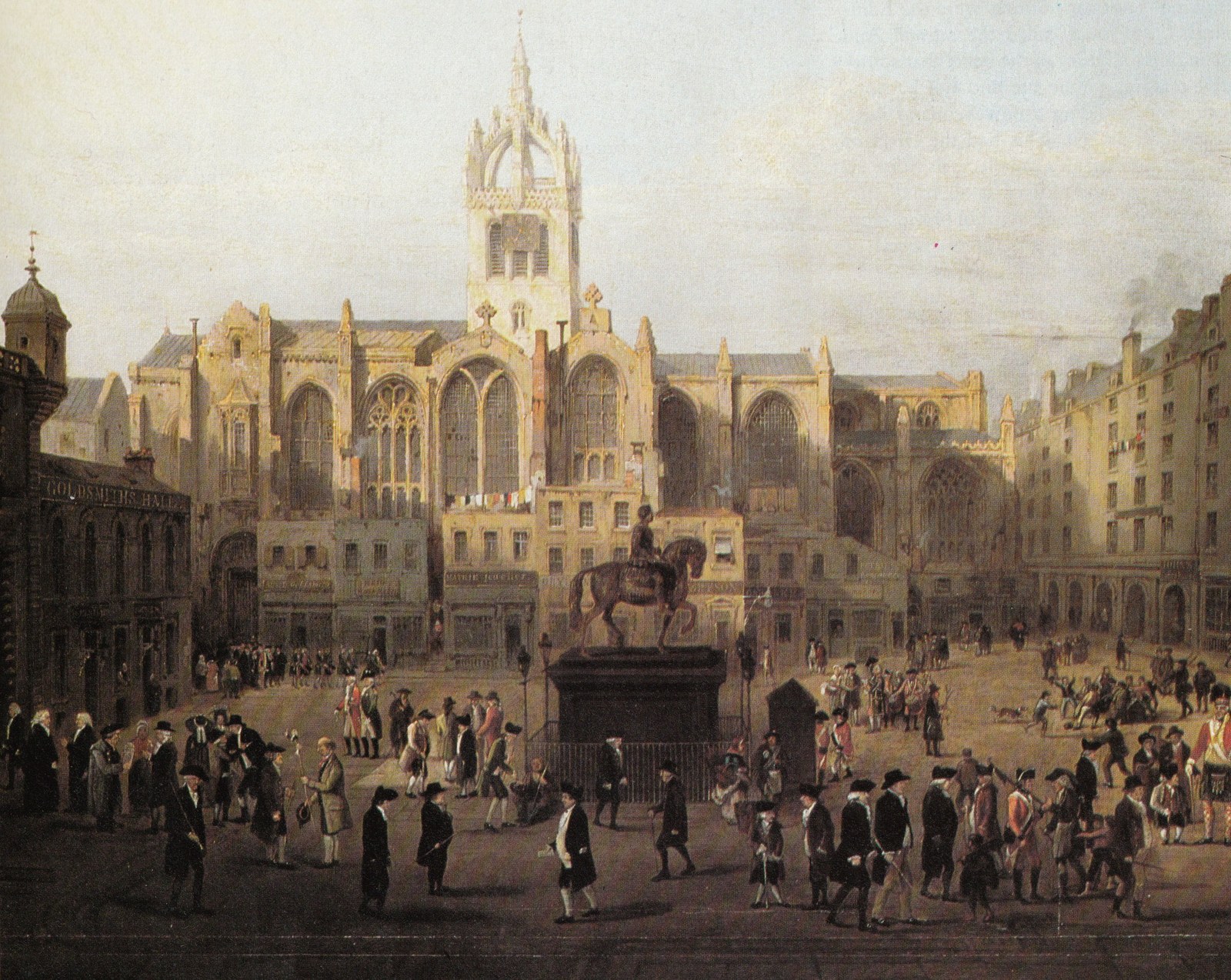
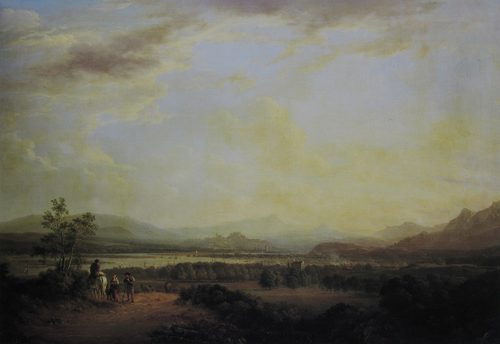
Edinburgh's art history runs through two distinct peaks separated by more than a century. The first grew from the Scottish Enlightenment of the mid-1700s, when the city's intellectual confidence and Neoclassical building boom, the New Town laid out from 1767, created patrons eager for portraits that matched their self-image as rational, cultured citizens. Henry Raeburn, trained partly in Italy, answered with loose, confident brushwork and dramatic lighting that avoided the stiffness of earlier British portraiture. The Royal Scottish Academy, founded in 1826, and the National Gallery of Scotland, opened in 1859, gave the city institutions to match its ambition. A second peak arrived around 1900-1930 with the Scottish Colourists, painters who studied in Paris and brought Post-Impressionist and Fauvist color back to Scotland, applying bright, unmixed hues to still life and coastal subjects far removed from the granite austerity of Edinburgh's own streets. Between and around these peaks, the castle-topped skyline itself became a recurring subject for topographical painters documenting the city's dramatic volcanic geography.
What marks the region
Loose Enlightenment portraiture
Raeburn and contemporaries favored confident, visible brushwork and dramatic single-source lighting over the smooth finish of London portrait convention, giving Edinburgh sitters an informal, alert presence.
Neoclassical civic setting
The New Town's ordered squares and crescents, laid out from 1767, gave painters a rational, symmetrical urban backdrop that shaped composition even in unrelated genre scenes.
Topographical skyline views
Edinburgh Castle and Arthur's Seat recur as fixed compositional anchors, exploited for dramatic elevation and silhouette against changeable northern skies.
Colourist bright palette
Early 1900s painters imported French Post-Impressionist color theory, applying saturated, unmixed hues to still life and landscape in deliberate contrast to Scotland's gray urban fabric.
Academic training pipeline
The Trustees Academy, founded 1760, and later Edinburgh College of Art trained generations locally rather than relying solely on London or continental study.
Genre and everyday subject
David Wilkie and followers turned domestic and rural incident into finished exhibition subjects, treating ordinary life with the same seriousness as history painting.
Local signatures
How to spot Edinburgh art
- Castle silhouette
- → Edinburgh Castle's rock and skyline stand in for the city itself, a fixed dramatic landmark used across centuries of topographical work.
- Arthur's Seat
- → The extinct volcano overlooking the city supplies a wild, elevated backdrop distinguishing Edinburgh views from flatter British cityscapes.
- Haar and mist
- → Sea fog rolling off the Firth of Forth softens distant views, a local atmospheric effect distinct from London's industrial smoke.
- Tartan and plaid
- → Textile patterns signal Highland identity and Scottish nationalism, appearing in portraits and genre scenes as a marker of place.
- Thistle motif
- → Scotland's national plant appears in decorative borders and civic emblems as shorthand for Scottish, rather than broader British, identity.
- Grey sandstone facades
- → The New Town's uniform stone buildings recur as a muted architectural backdrop, distinguishing Edinburgh's palette from warmer southern cities.
The story
Edinburgh's Enlightenment status, home to philosophers, scientists, and publishers by the mid-1700s, created a market for portraiture that matched the city's intellectual self-image. The Trustees Academy, founded in 1760, gave local training in design and drawing. Henry Raeburn returned from study in Rome in the 1780s and built a portrait practice serving the city's professional and landed classes with a looser, more atmospheric style than London favored. The New Town, planned from 1767, gave the city its ordered Neoclassical face still visible today. The Royal Scottish Academy, established in 1826, and the National Gallery of Scotland, opened in 1859, consolidated Edinburgh's institutional standing. David Wilkie, trained at the Trustees Academy, took Scottish genre painting to London and international acclaim in the early 1800s. A second flowering came in the early 1900s, when Samuel Peploe, Francis Cadell, and Leslie Hunter, later grouped as the Scottish Colourists, studied in Paris and returned with bright Post-Impressionist palettes, exhibiting in Edinburgh through the 1920s.
Masterpieces of the place
| Work | Artist | Date | Why it matters |
|---|---|---|---|
| Reverend Robert Walker Skating on Duddingston Loch | Henry Raeburn | c. 1795 | Known as The Skating Minister, an informal, dynamic portrait that broke from stiff convention and became Scotland's most reproduced image. |
| The Letter of Introduction | David Wilkie | 1813 | A finely observed domestic genre scene that carried Scottish subject matter to acclaim in London exhibitions. |
| Edinburgh from Calton Hill | Alexander Nasmyth | c. 1825 | A topographical view establishing the castle-and-crag skyline as a defining civic image. |
| Still Life | Samuel John Peploe | c. 1920s | A bright, densely patterned canvas typical of the Scottish Colourists' Paris-informed palette. |
| Iona | Francis Cadell | c. 1920s | A Colourist coastal scene applying saturated color to a distinctly Scottish landscape subject. |
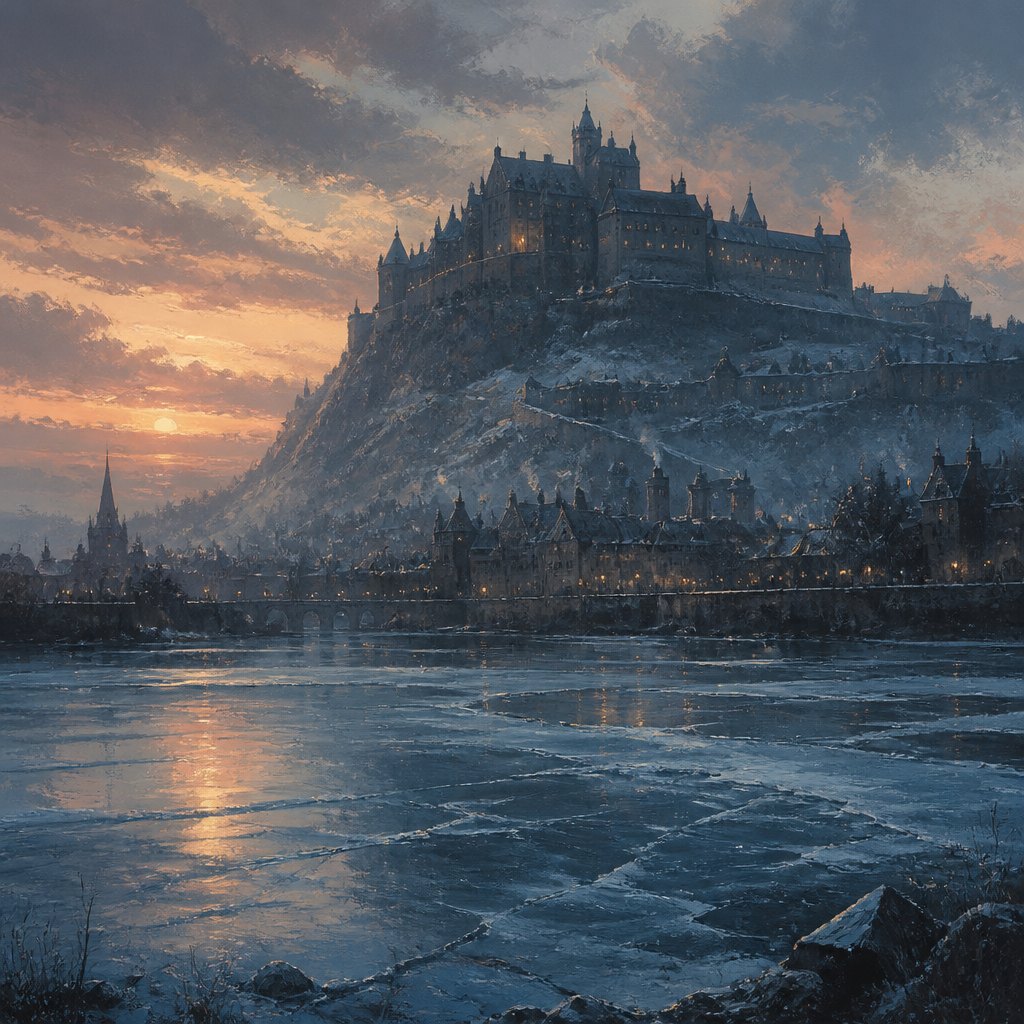 AI-generated
Work en plein air
Paint in the light of Edinburgh
This example was generated from a prompt like: “A hilltop castle silhouette above a misty northern city at dusk, grey stone terraces below, and a frozen loch in the foreground catching faint winter light in loose, confident brushwork.”
Open the Edinburgh Art Style generator →The place today
The Scottish National Gallery on The Mound holds Raeburn's portraits and the Colourists' canvases within walking distance of the castle and crag they depicted. The Royal Scottish Academy building still hosts exhibitions on Princes Street. Edinburgh College of Art continues training within the same civic tradition. The New Town's Georgian squares remain largely intact, letting visitors compare painted views directly against the standing architecture, keeping the Enlightenment-era streetscape and its painted record legible side by side.
Compose your own
For an Enlightenment-portrait effect, use dramatic single-source lighting and visible, confident brushwork rather than smooth finish, keeping the sitter's pose informal and alert. Set the figure against plain, dark backgrounds so the face and hands carry the composition. For a topographical Edinburgh view, anchor the composition on the castle rock or Arthur's Seat, using elevated vantage points and soft, misty distance to suggest the Firth of Forth beyond. For a Colourist approach, reverse the palette entirely: apply bright, unmixed color in flattened patterns to still life or coastal subjects, letting pattern and hue carry the composition rather than tonal modeling. Keep stone architecture gray and restrained so any color used elsewhere reads as deliberate contrast.
Frequently asked questions
What is the Edinburgh School in painting?
It refers loosely to two periods: Enlightenment-era portraiture led by Henry Raeburn in the late 1700s, and the early 1900s Scottish Colourists, rather than one continuous unified style.
Who were the Scottish Colourists?
A group including Samuel Peploe, Francis Cadell, and Leslie Hunter, active mainly in the 1900s-1920s, who studied in Paris and brought Post-Impressionist and Fauvist color back to Scottish subjects.
Why is Raeburn's skating portrait so famous?
The Skating Minister broke from stiff formal portrait convention with its informal pose and confident brushwork, becoming one of Scotland's most reproduced and recognized images.
Where can this history be seen today?
The Scottish National Gallery holds the core collection, standing near the castle, crag, and New Town streets that appear repeatedly in the paintings themselves.