 Art
Art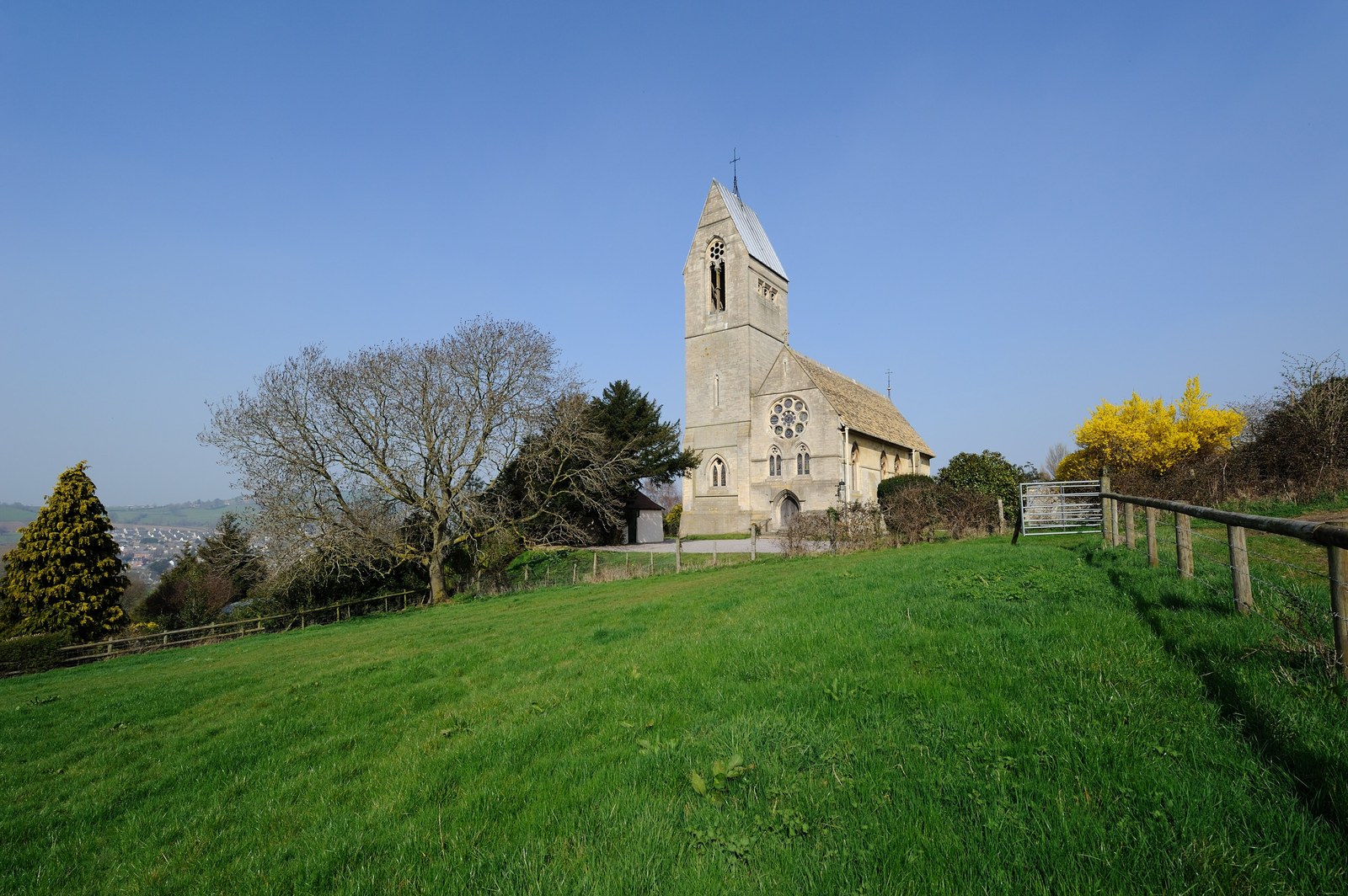
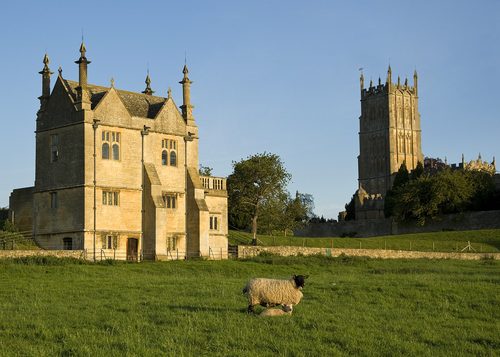
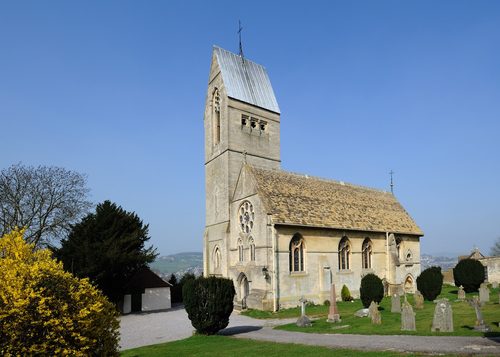
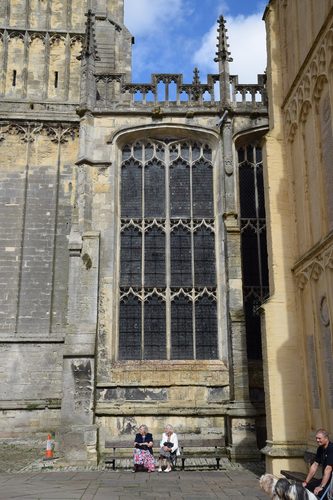
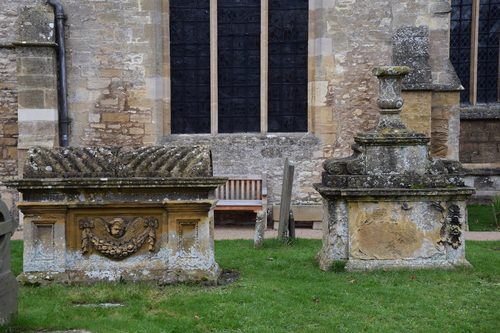
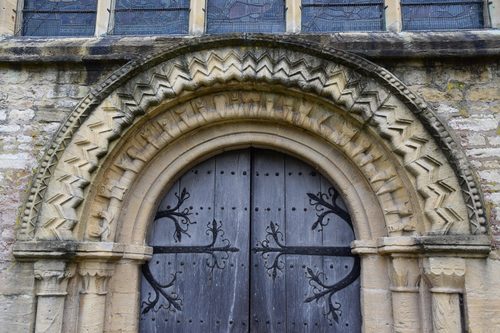
The Cotswolds is a belt of limestone hill country in southwest-central England whose honey-gold 'wool churches' and villages were built on medieval sheep-farming wealth between the 1300s and 1500s. That existing fabric of vernacular stone building, and its relative isolation from industrial England, made the region a natural home for the late-Victorian Arts and Crafts movement, which prized handwork and traditional materials over factory production. William Morris leased Kelmscott Manor near Lechlade from 1871, drawing designers and craftsmen to the area's rural buildings. In 1902 the architect and designer C. R. Ashbee relocated his Guild of Handicraft, around 150 craftsmen and their families, from London's East End to Chipping Campden, setting up silversmithing and furniture workshops in a disused silk mill. Around the same time, furniture makers Ernest Gimson and brothers Ernest and Sidney Barnsley settled at Pinbury and later Sapperton, training local joiners in exposed, hand-cut construction. The Cotswolds became a working laboratory for the movement's ideal of rural, hand-made production close to its own building stone and materials.
What marks the region
Local limestone
Cotswold oolitic limestone, quarried nearby and softening to honey-gold with age, was used both as the region's traditional building material and as the movement's model of honest, local material.
Exposed joinery
Furniture from workshops at Sapperton and Chipping Campden shows its construction openly, visible pegs, dovetails, and chamfered edges, rather than hiding joints under polish or veneer.
Guild workshop structure
Craft was organised through cooperative guilds and workshops rather than individual studios, training apprentices collectively in shared traditional skills.
Rural relocation
Founders deliberately moved workshops from London to Cotswold villages, believing rural life and direct contact with materials produced more honest work than city factories.
Hand tools over machinery
Workshops favoured hand planing, carving, and hand-raised metalwork over mechanised production, even where it slowed output and raised cost.
Vernacular revival architecture
New Arts and Crafts houses reused local forms, steep gables, mullioned windows, drystone walling, rather than imported classical or Gothic Revival styles.
Local signatures
How to spot The Cotswolds art
- Honey-gold limestone
- → Cotswold oolitic stone, warm gold in colour, marks a building or object as regionally sourced and locally built.
- Exposed mortise-and-tenon joints
- → Visible wooden joints on a chair or cabinet signal the honest-construction ideal at the centre of Cotswold Arts and Crafts furniture.
- Ladder-back rush seat
- → A simple ladder-back chair with a woven rush seat is the workshop's most repeated, recognisable furniture form.
- Drystone walling
- → Unmortared field walls built from stacked local stone appear throughout the region's buildings, gardens, and Arts and Crafts illustration.
- Wool-merchant church details
- → Perpendicular Gothic tracery and carved wool-sack or sheep motifs on medieval churches record the trade wealth that first shaped the region.
- Guild hallmark stamps
- → Small maker's marks stamped into Guild of Handicraft silver identify a piece as workshop-made in Chipping Campden rather than mass-produced.
The story
Medieval wealth from the wool trade, at its height in the 1300s-1400s, funded the region's large parish 'wool churches' at Cirencester, Chipping Campden, and Northleach, built from local limestone. This existing vernacular fabric later attracted the Arts and Crafts movement. William Morris first leased Kelmscott Manor, near Lechlade, in 1871 as a country retreat, and it remained associated with him until his death in 1896. In 1902 C. R. Ashbee moved his Guild of Handicraft, roughly 150 workers and their families, from London's East End to Chipping Campden, converting a former silk mill into workshops for silversmithing, furniture, and metalwork. Furniture makers Ernest Gimson and brothers Ernest and Sidney Barnsley settled nearby at Pinbury Park around 1893 and later at Sapperton, training local craftsmen in traditional joinery. The Guild of Handicraft ran into financial difficulty and formally wound up in 1908, though several craftsmen remained in Chipping Campden. The Sapperton workshops continued into the 1920s, and Ernest Barnsley's Rodmarton Manor, begun in 1909, was still being finished by hand as late as 1926.
Masterpieces of the place
| Work | Artist | Date | Why it matters |
|---|---|---|---|
| St John the Baptist Church, Cirencester | Unknown | 15th century | The grandest of the Cotswold 'wool churches,' built from local stone and wool-trade wealth that later inspired the Arts and Crafts revival. |
| Rodmarton Manor | Ernest Barnsley | begun 1909 | An Arts and Crafts house built almost entirely by hand using local stone, timber, and Cotswold craftsmen. |
| Ladder-back rush-seated chair | Ernest Gimson | c. 1905 | Plain, exposed-joinery furniture that became the Cotswold School's signature form. |
| Guild of Handicraft silver bowl | C. R. Ashbee | c. 1905 | Hand-raised silver reflecting the Guild's relocation from London to Chipping Campden in 1902. |
| Inlaid oak cabinet | Sidney Barnsley | c. 1910 | A cabinet built using traditional joinery revived at the Sapperton workshops. |
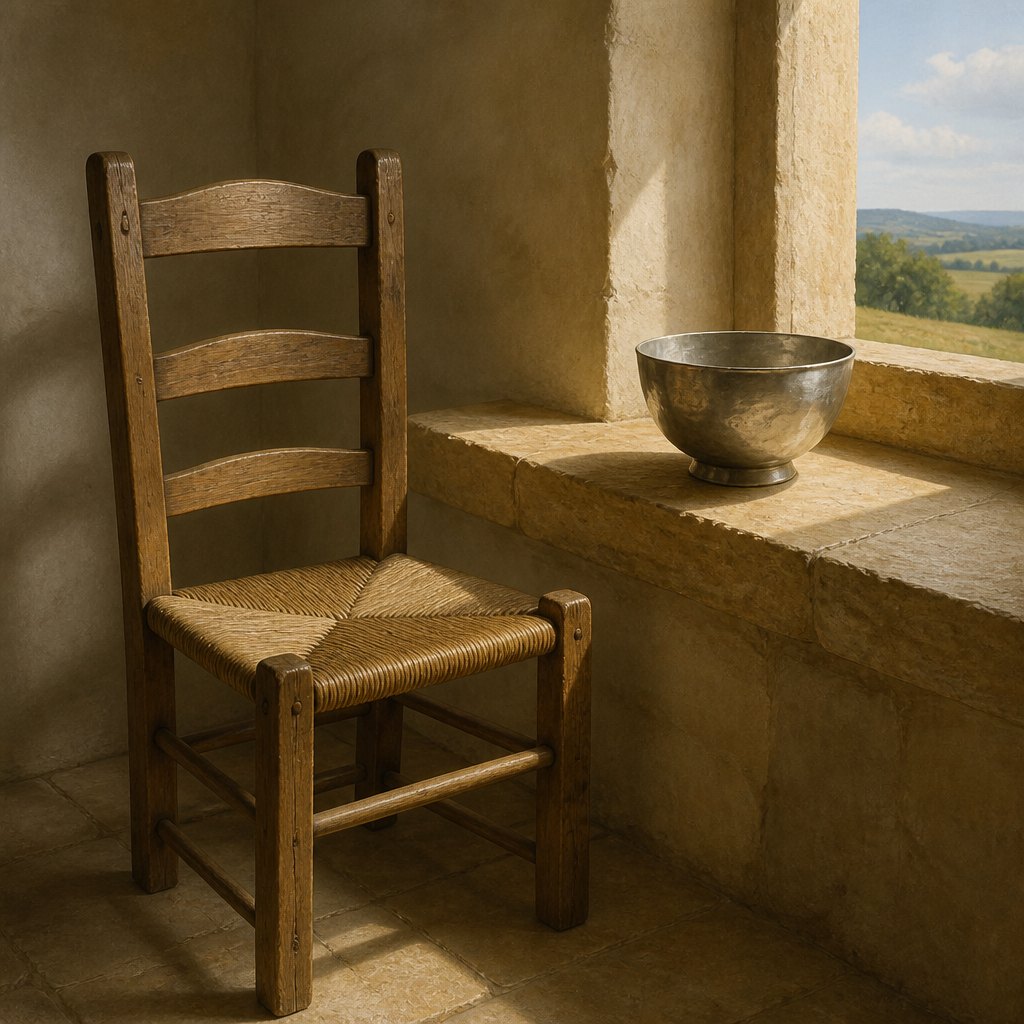 AI-generated
Work en plein air
Paint in the light of The Cotswolds
This example was generated from a prompt like: “A plain rush-seated ladder-back chair and a hand-raised silver bowl on a honey-gold limestone windowsill, all showing visible hand tool marks and exposed joinery, lit by soft natural daylight.”
Open the The Cotswolds Art Style generator →The place today
Court Barn Museum in Chipping Campden displays furniture, silver, and metalwork from the Guild of Handicraft and its successors. Rodmarton Manor remains open to visitors as a complete, hand-built Arts and Crafts house. Kelmscott Manor, managed by the Society of Antiquaries, opens seasonally to the public. Stonemasonry, thatching, and traditional joinery are still practised commercially across the region, and the medieval wool churches remain in active parish use.
Compose your own
Work in warm, honey-gold stone tones rather than grey or white, and keep architectural forms plain and vernacular: steep gables, mullioned windows, drystone rather than brick or render. For furniture or objects, expose the construction, visible pegs, dovetails, hand-planed surfaces, instead of polishing joints away. Favour a muted natural palette of stone gold, oak brown, and moss green, and choose plain, repeatable forms such as a ladder-back chair or a hand-raised bowl over ornate decoration. Texture should read as made by hand: slightly uneven surfaces, visible tool marks, and natural material grain throughout.
Frequently asked questions
What is Cotswold Arts and Crafts?
The regional branch of the late-Victorian Arts and Crafts movement, centred on workshops in Chipping Campden and Sapperton from around 1900, that prized handmade furniture, metalwork, and vernacular stone building over industrial production.
Why did craftsmen move to the Cotswolds?
Founders such as C. R. Ashbee and Ernest Gimson believed rural life and direct contact with traditional materials produced more honest work than city factories, and the region already had a strong vernacular stone-building tradition to draw on.
What are Cotswold wool churches?
Large parish churches built from local limestone during the medieval wool trade's peak in the 1300s-1400s, funded by wealthy wool merchants and among the finest examples of English Gothic architecture in the region.
Is Cotswold stone still used in building today?
Yes. Oolitic limestone from local quarries continues to be used for new building and restoration across the region, subject to conservation controls in its many protected historic villages.