 Art
Art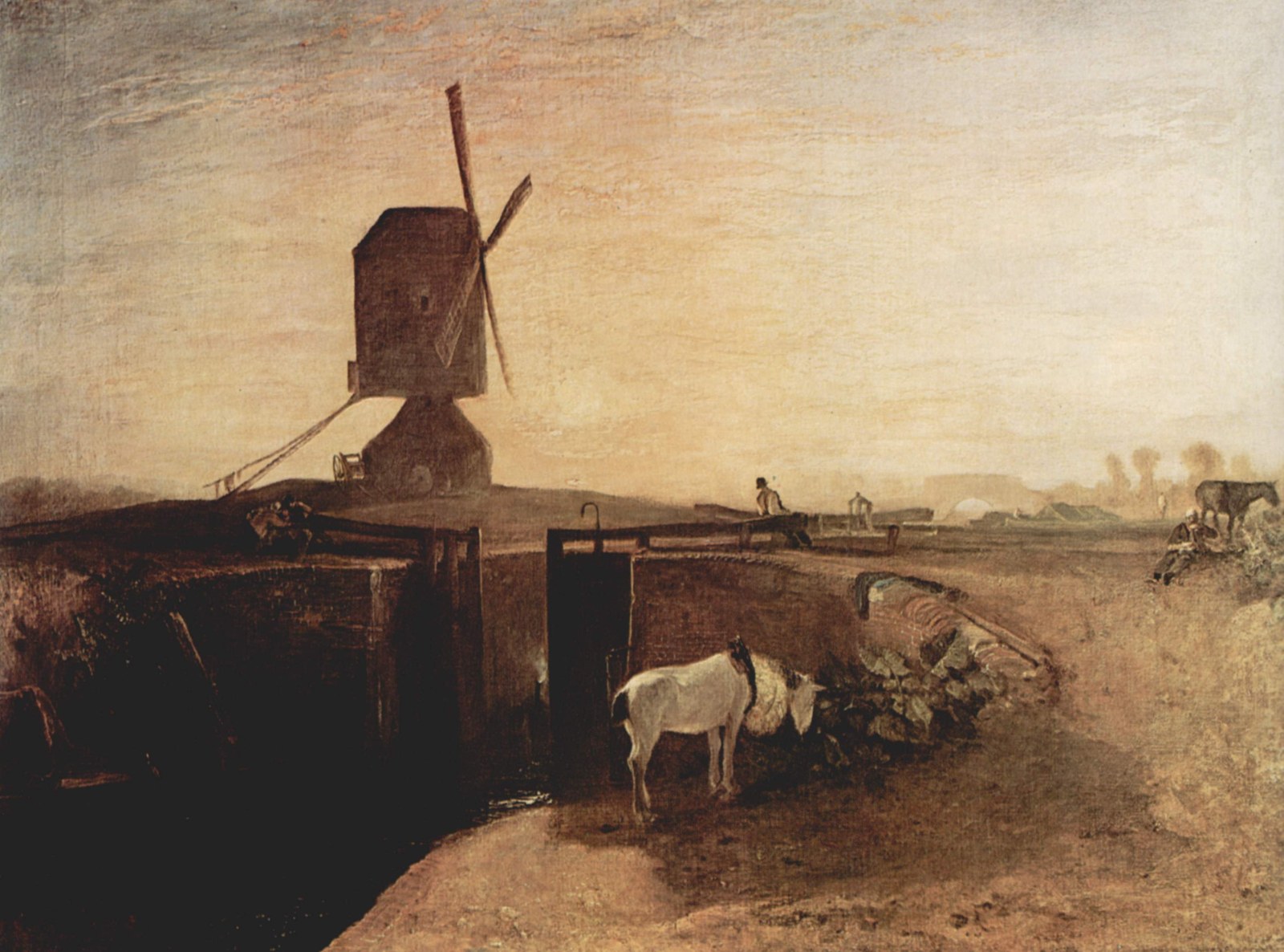
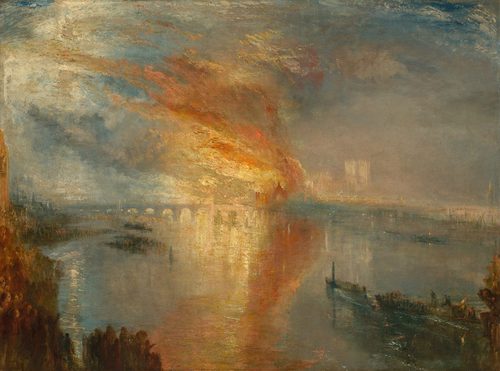
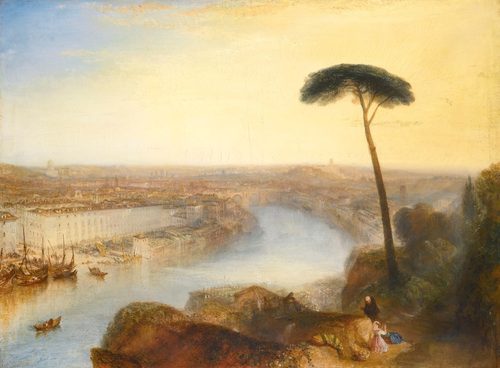
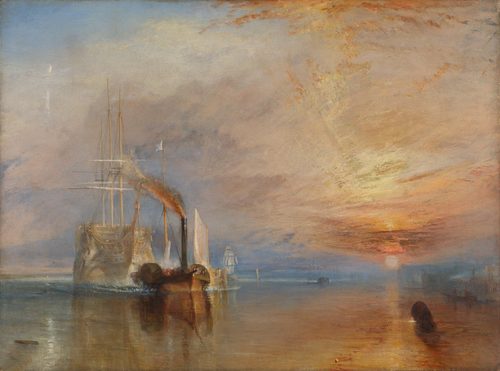
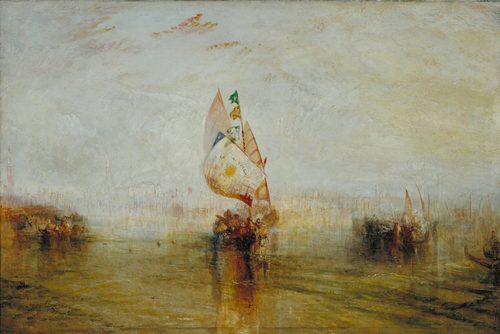
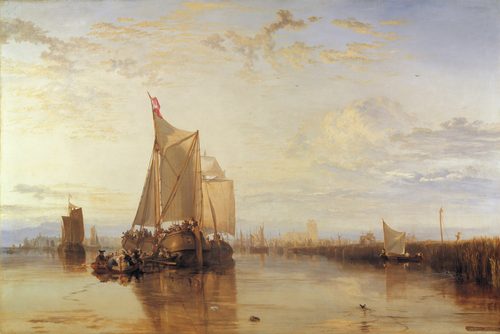
London art is less a single school than the accumulated record of a capital that hosted, funded, and argued over British painting for three centuries. The city had no unified visual dialect: William Hogarth's satirical engravings of the 1730s-40s skewered its vice and vanity, the Royal Academy founded in 1768 imposed continental history-painting standards on native talent, and J.M.W. Turner spent a lifetime dissolving the Thames and its steamships into pure light and weather. Wealth from empire, trade, and the Industrial Revolution built the institutions, the National Gallery in 1824, the Royal Academy's annual Summer Exhibition, that made London a marketplace as much as a school. When the Pre-Raphaelite Brotherhood formed in 1848, its members turned against that same Academy's polish, choosing sharp-focus detail and medieval subjects instead. What holds the tradition together is not technique but subject: the Thames, the fog, the crowd, and the argument between establishment taste and the artists who kept rejecting it.
What marks the region
Royal Academy exhibitions
Annual Summer Exhibitions at the Royal Academy, founded 1768, set the ladder for reputation: paintings were made to be seen crowded floor-to-ceiling, competing for attention in a single glance from visiting crowds.
Thames and weather studies
The river supplied a recurring subject for generations, its fog, tides, and industrial traffic offering painters like Turner and later Whistler a changeable atmosphere no fixed Mediterranean light could match.
Society portraiture
Reynolds and Gainsborough built careers on flattering yet believable portraits of aristocrats and merchants, establishing a commercial portrait market that London sustained longer than most European capitals.
Satirical print culture
Hogarth's engraved series sold cheaply to a literate public, embedding moral narrative and social caricature into London's visual habits well before painting caught up with the trend.
Pre-Raphaelite precision
Formed in 1848, the Brotherhood rejected Academy convention for high-detail naturalism, bright unmixed color, and literary or medieval subjects painted with almost forensic clarity.
Public and civic art
Murals, memorials, and later public sculpture across the city treated art as civic furniture, meant for streets and institutions rather than private chapels alone.
Local signatures
How to spot London art
- Thames fog and haze
- → Industrial mist and river light stand for London's changeable, modern atmosphere, most famously dissolved into color by Turner and Whistler.
- St Paul's dome
- → A recurring skyline anchor signaling civic and religious continuity through fire, rebuilding, and war.
- Hansom cabs and gas lamps
- → Street furniture marking scenes as contemporary urban life rather than historical or rural subject matter.
- Dense crowd scenes
- → Anonymous crowds signal the modern metropolis as subject, distinct from rural genre painting elsewhere in Britain.
- Trade and dock goods
- → Tea chests, exotic textiles, and dock scenes reference the trade wealth funding the city's collections and commissions.
- Heavy gilt frames
- → Gilt framing signaled Royal Academy pedigree and raised a work's perceived status and price at exhibition.
The story
London's art institutions grew alongside its trade wealth. William Hogarth's satirical prints of the 1730s and 1740s gave the city its first distinctly local visual voice, moralizing and comic rather than courtly. The Royal Academy, founded in 1768 under George III with Joshua Reynolds as first president, imposed formal training and an annual exhibition that shaped careers for a century. J.M.W. Turner, admitted at 14, spent decades pushing the Academy's own house style toward abstraction, painting steam, speed, and the burning Houses of Parliament in 1834. John Constable, working mostly outside the city, still depended on London exhibitions to build a reputation the Academy resisted granting fully. The National Gallery opened in 1824, and the Great Exhibition of 1851 at Crystal Palace displayed British industrial design to the world. In 1848 the Pre-Raphaelite Brotherhood, formed by young artists including Millais and Rossetti, rejected Academy polish for sharp detail and moral seriousness, provoking public outrage before winning acceptance within a decade.
Masterpieces of the place
| Work | Artist | Date | Why it matters |
|---|---|---|---|
| Rain, Steam and Speed | J.M.W. Turner | 1844 | A speeding train dissolved into light and weather, a late statement of Turner's atmospheric method. |
| The Fighting Temeraire | J.M.W. Turner | 1839 | A decommissioned warship towed for scrapping on the Thames, glowing sunset framing industrial decline. |
| The Hay Wain | John Constable | 1821 | Exhibited at the Royal Academy, this rural scene built Constable's London reputation despite its Suffolk subject. |
| Ophelia | John Everett Millais | 1851-52 | A high-detail, jewel-toned Pre-Raphaelite scene painted directly from observed riverbank foliage. |
| Marriage A-la-Mode | William Hogarth | 1743-45 | A six-canvas satirical narrative of a doomed arranged marriage among London's fashionable classes. |
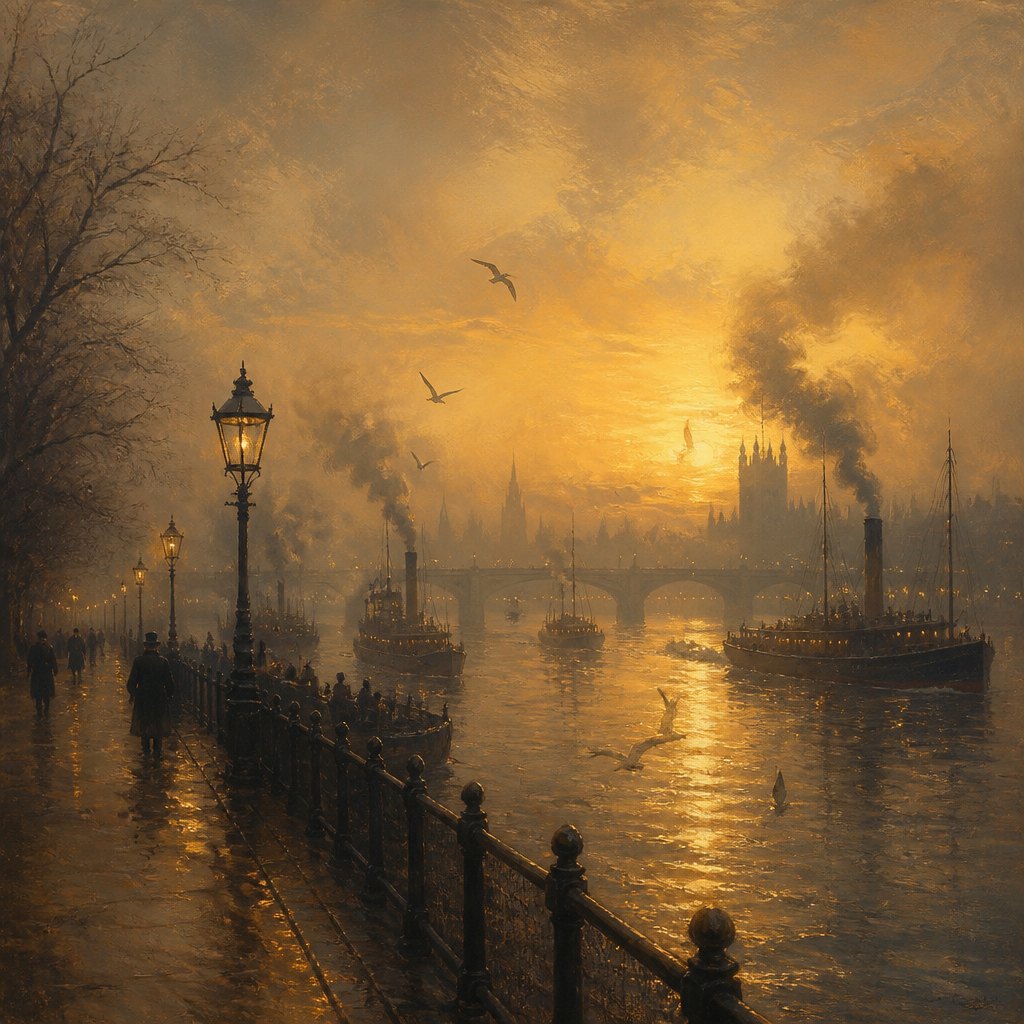 AI-generated
Work en plein air
Paint in the light of London
This example was generated from a prompt like: “A foggy Thames riverbank at dusk, steamboats and bridge silhouettes dissolving into smoky golden light, with gas lamps just beginning to glow along the embankment and gulls circling above the water.”
Open the London Art Style generator →The place today
The National Gallery and Tate Britain hold the core collections, from Hogarth and Turner's nearly 300-work bequest to the Pre-Raphaelites' jewel-toned canvases. The Royal Academy still mounts its Summer Exhibition on Piccadilly, unbroken since 1769. The Courtauld Gallery and Wallace Collection add smaller, denser troves of European and British painting. London's museums function as both custodians of this history and active exhibition venues, drawing millions annually to see works made, in many cases, only streets away.
Compose your own
Anchor the scene in a recognizable London subject: the Thames with its bridges and barges, a foggy street, or a crowded exhibition hall. For a Turner-like effect, dissolve form into atmosphere, letting color and light take over from hard outline, especially around steam, smoke, or water. For a Pre-Raphaelite look, reverse that instinct entirely: paint every leaf, thread, and strand of hair in sharp, bright, unmixed color, as if under glass. A Hogarth-style approach wants crowded, narrative detail across a single scene, moralizing implication optional. Whichever mode, keep the setting unmistakably urban and modern for its time, gas lamps, cabs, or industrial haze, rather than idealized or rural.
Frequently asked questions
Is there a single London school of painting?
No single style unifies it; London functioned as a marketplace and training ground where Hogarth's satire, Academy portraiture, Turner's atmospheric landscapes, and Pre-Raphaelite detail all coexisted and competed for the same institutions.
Why was the Royal Academy so influential?
Founded in 1768, it controlled training, annual exhibitions, and professional status for British artists for over a century, making its Summer Exhibition the primary route to a painting career and public reputation.
What triggered the Pre-Raphaelite Brotherhood?
Formed in 1848 by young painters frustrated with Academy formulas, it rejected idealized composition for sharp-focus naturalism and medieval or literary subjects, provoking hostility before gaining wide acceptance.
Where can Turner's London works be seen today?
The National Gallery and Tate Britain hold major Turner bequests, including Thames and Parliament fire scenes, displayed close to the river and skyline he painted.