 Art
Art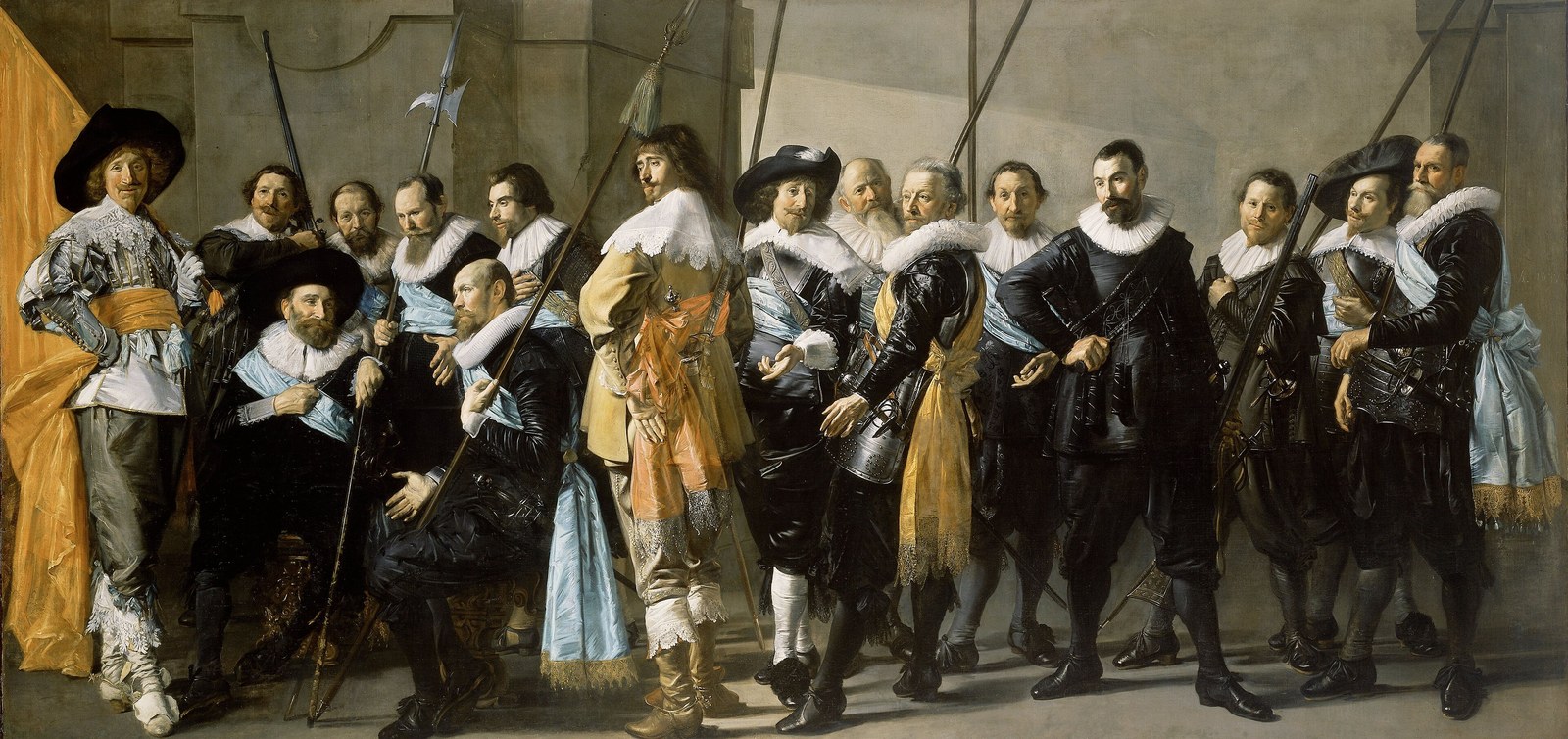
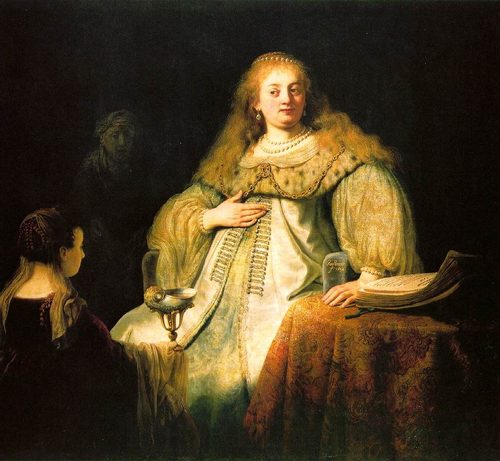
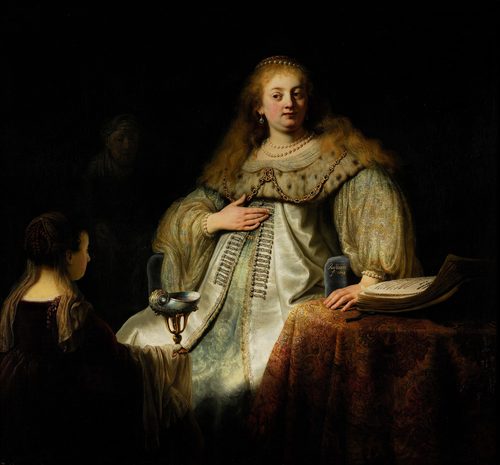
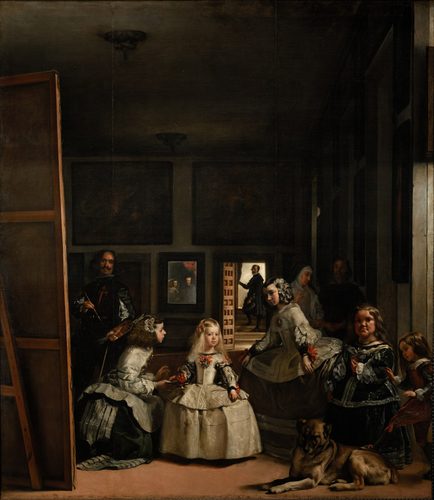
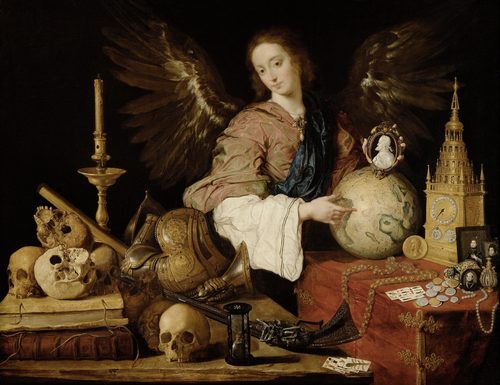
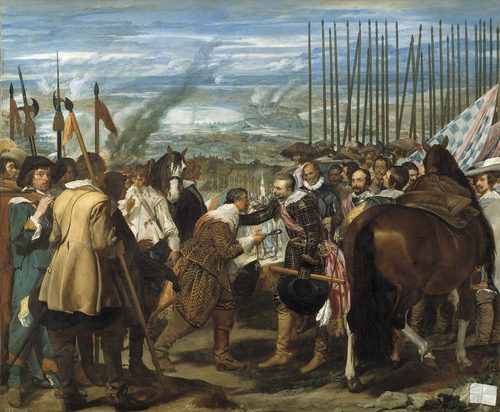
Madrid art is the tradition built around the Spanish royal court after Philip II moved the capital here in 1561, turning a modest Castilian town into the seat of an empire and its picture collections. Habsburg monarchs assembled Titian, Rubens, Bosch, and Dürer at the Alcázar, giving Spanish-born painters direct access to Venetian color and Flemish detail unmatched elsewhere on the peninsula. Diego Velázquez, appointed court painter in 1623, absorbed that inheritance and pushed brushwork toward a loose, optical rendering of light that looked unfinished up close and photographic from across a room. The Bourbon dynasty, arriving in 1700, imported Italian and German court painters and founded the Royal Academy of San Fernando in 1752. Francisco de Goya, court painter from 1786, inherited this tradition of unflinching royal portraiture and pushed it toward psychological candor and, in his final years, private darkness. Madrid's identity is the accumulated royal collection itself, now housed largely in the Prado.
What marks the region
Court portrait protocol
Sitters, kings, infantas, court dwarfs, appear in the black silk and starched ruff mandated by Habsburg sumptuary codes, with rank shown through insignia rather than expression.
Loose, optical brushwork
Velázquez built faces and fabric from broad, visible strokes that read as blurred paint inches away but resolve into sharp likeness at viewing distance.
Training from the royal walls
Court painters copied Titian, Rubens, and Bosch canvases already hanging in the royal apartments, absorbing Venetian color and Flemish detail without leaving Spain.
Tapestry cartoons
Goya's early court commissions were full-scale cartoons for the Royal Tapestry Factory, genre scenes of everyday Madrid life woven into wall hangings for royal residences.
Plain, undefined grounds
Figures are set against neutral brown or grey backgrounds, keeping attention on face and costume rather than architectural or landscape setting.
Unflinching royal likeness
Court protocol never required flattery: Velázquez and Goya both painted monarchs with sagging jaws and vacant stares, a candor unusual for state portraiture elsewhere.
Local signatures
How to spot Madrid art
- Golilla collar
- → Stiff white starched collar marking Habsburg court dress and social rank.
- Court dwarf or jester
- → Recurring sitters documenting Habsburg palace life, painted with the same dignity as royalty.
- Hunting dog beside sitter
- → Loyalty and royal leisure, common in equestrian and standing court portraits.
- Order of the Golden Fleece medallion
- → Marks the highest tier of Spanish and Habsburg nobility in a formal portrait.
- Red velvet curtain backdrop
- → Signals royal or state authority behind an otherwise plain setting.
- Black Spanish court dress
- → Severe black silk fashion exported from the Madrid court across Habsburg Europe.
The story
Philip II transferred the Spanish court from Toledo to the small town of Madrid in 1561, choosing a central, defensible site with no established civic identity to compete with royal authority. His successors filled the Alcázar with Titian, Bosch, and Rubens, building one of Europe's great princely collections. Diego Velázquez arrived from Seville in 1623 and became court painter, traveling twice to Italy and producing Las Meninas in 1656. The Bourbon succession in 1700 brought Italian and German artists such as Corrado Giaquinto and Anton Raphael Mengs, and founded the Real Academia de Bellas Artes de San Fernando in 1752 to train Spanish painters formally. Francisco Goya, appointed court painter in 1786, documented the monarchy through the Napoleonic invasion of 1808 and its aftermath, then withdrew into private, unofficial work. The royal collection opened to the public as the Museo del Prado in 1819, converting three centuries of court patronage into Spain's national gallery.
Masterpieces of the place
| Work | Artist | Date | Why it matters |
|---|---|---|---|
| Las Meninas | Diego Velázquez | 1656 | The royal household and the painter himself shown together, questioning who the true subject of the picture is. |
| The Third of May 1808 | Francisco de Goya | 1814 | A Napoleonic execution painted for the restored Spanish crown after the war's end. |
| The Family of Charles IV | Francisco de Goya | 1800 | An unflinching group royal portrait that idealizes no one in the family. |
| The Triumph of Bacchus (Los Borrachos) | Diego Velázquez | 1628-29 | A mythological subject staged with the realism of a Madrid tavern scene. |
| The Clothed Maja | Francisco de Goya | c. 1800-07 | A reclining portrait painted for a private Madrid collector, paired with an unclothed version. |
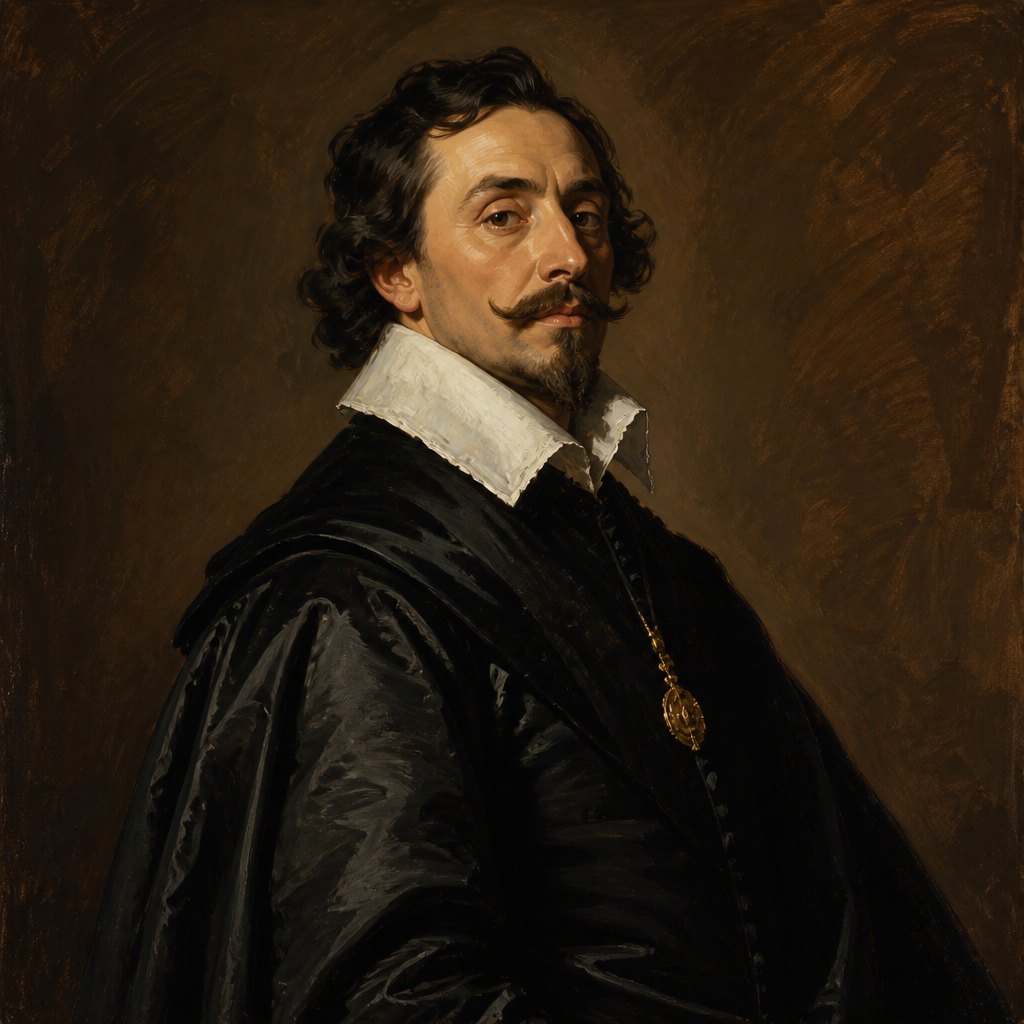 AI-generated
Work en plein air
Paint in the light of Madrid
This example was generated from a prompt like: “A formal court portrait: a robed noble in black silk with a starched white collar and a small gold medal, set against a plain brown ground, lit sharply from one side, painted in broad visible brushstrokes.”
Open the Madrid Art Style generator →The place today
The Museo del Prado holds the core of the royal collection, from Bosch's Garden of Earthly Delights to Velázquez's Las Meninas and dozens of Goyas spanning tapestry cartoons to the Black Paintings. The nearby Reina Sofía covers modern Spanish art, while the Thyssen-Bornemisza fills gaps from medieval to twentieth-century European painting, together forming Madrid's 'Golden Triangle' of museums. The Royal Palace preserves Bourbon state rooms. Madrid today functions as custodian of this accumulated royal inheritance.
Compose your own
Set a single figure or small group against a plain, undefined brown or grey ground, letting costume and face carry all the visual weight. Build faces from broad, loaded strokes rather than smooth blending, an approach that looks abstract up close but resolves into likeness from a few steps back. Dress sitters in black silk with a stiff white collar, adding one small insignia, a medal, a sash, to signal rank without ornament overwhelming the figure. Light should fall from one side, modeling form through shadow rather than flat illumination. Avoid idealizing the face: include asymmetry, tired eyes, or a heavy jaw. Keep the palette restrained: black, ochre, dull red, and flesh tones, with color reserved for a single accent.
Frequently asked questions
What distinguishes Madrid's school from Seville's Baroque painting?
Madrid centered on royal court portraiture and the accumulated Habsburg and Bourbon collections, while Seville developed independently around religious commissions for convents and confraternities, with a warmer, more devotional style.
Why is Velázquez linked to both Seville and Madrid?
He trained and produced early tavern scenes in Seville before 1623, then moved to Madrid as court painter, where royal access to Titian and Rubens shaped his mature, looser brushwork.
When did the Prado open and what does it hold?
The Museo del Prado opened in 1819, built around three centuries of royal acquisitions, including Bosch, Titian, Velázquez, and Goya, converting the Spanish crown's private collection into a national museum.
Did Madrid have its own painters' guild like Seville or Toledo?
Madrid's art scene centered on court appointment rather than an independent guild; access came through royal patronage and, after 1752, the Real Academia de Bellas Artes de San Fernando.