 Art
Art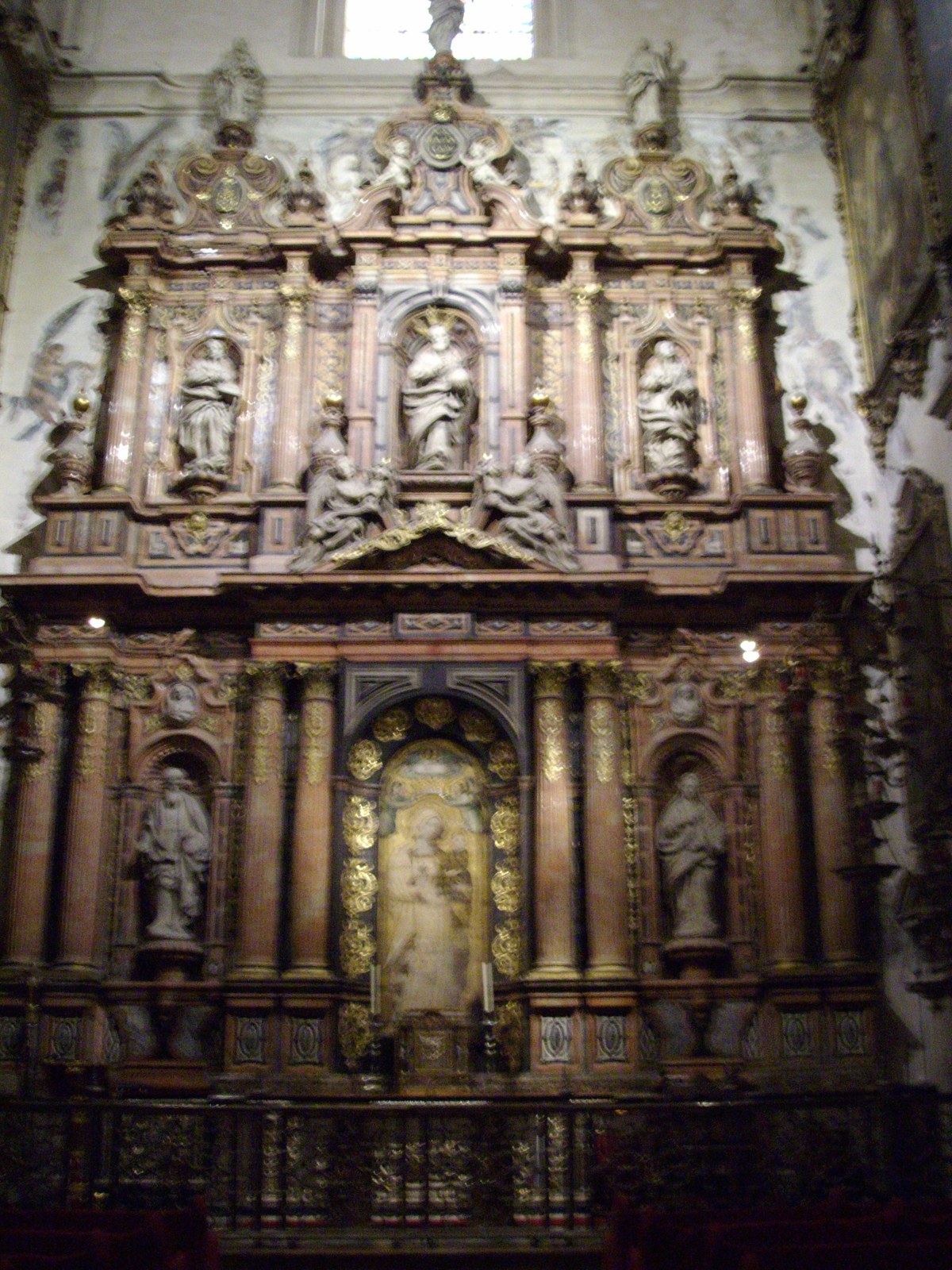
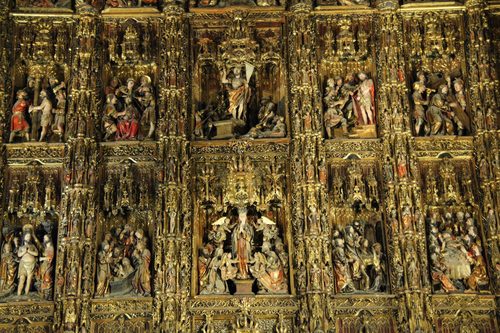
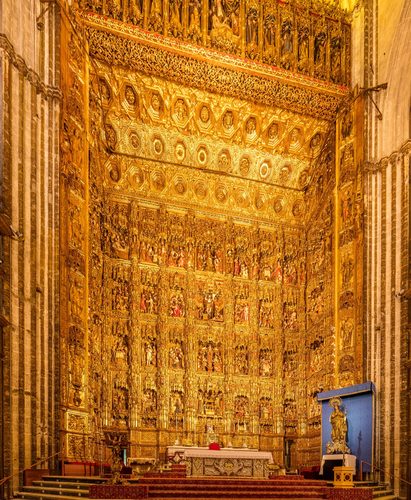
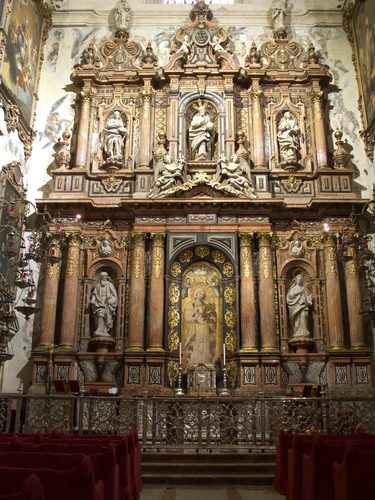
Seville's art history is inseparable from its trade monopoly. The Casa de Contratación, founded in 1503, made the city Spain's exclusive gateway to American silver and goods, drawing wealth that convents, cathedral chapters, and lay confraternities spent on art. Francisco Pacheco ran the city's most influential painting workshop in the early 1600s, training Diego Velázquez before he left for Madrid, and setting a house style grounded in careful drawing and close observation of live models. Francisco de Zurbarán, working chiefly for monastic orders from 1629, painted stark, sculptural friars in raking light. Bartolomé Esteban Murillo softened that austerity into warmer, atmospheric devotional images that made him Seville's most sought-after painter by mid-century. Alongside painting, sculptors Juan Martínez Montañés and Juan de Mesa carved and polychromed wooden figures for the confraternities' Holy Week processions, a tradition as central to Seville's identity as its canvases.
What marks the region
Life-model drawing discipline
Pacheco's workshop insisted on rigorous drawing from live sitters before painting, a discipline passed to Velázquez and the wider Seville school.
Monastic austerity
Zurbarán's friars stand isolated against plain dark grounds, their heavy white or brown habits modeled in sharp, raking side light.
Soft-edged devotional atmosphere
Murillo dissolved outlines into gentle haze, wrapping saints and Madonnas in warm, hazy light rather than hard contour.
Bodegón training
Young Seville painters practiced on humble kitchen still lifes with figures, a genre that sharpened observation before religious commissions.
Polychrome sculpture (imaginería)
Carved wooden figures were always finished in paint, gilding, and glass eyes, made for confraternities to carry through city streets.
Confraternity commissioning
Lay religious brotherhoods, not just the cathedral, commissioned major sculpture and painting for their own chapels and annual processions.
Local signatures
How to spot Seville art
- White or brown monastic habit
- → Zurbarán's signature subject, a single friar rendered with sculptural, almost geometric folds.
- Blue and white robed figure
- → Fixed color scheme for Marian devotional imagery repeated across Seville workshops.
- Barefoot street child
- → Murillo's genre subject showing everyday Seville life alongside his devotional work.
- Polychrome wood figure with glass eyes
- → Local sculptural signature distinguishing Seville imaginería from unpainted stone or bronze traditions.
- Skull beside an hourglass
- → Vanitas motif reminding viewers of mortality, prominent in Seville's charity-hospital commissions.
- Basket of bread or kitchen vessels
- → Bodegón still-life elements marking a painter's training in Seville's early observational genre.
The story
The Casa de Contratación, established in Seville in 1503, gave the city legal monopoly over trade with Spain's American territories, making it the wealthiest city in Spain through the 16th and much of the 17th century. Francisco Pacheco's workshop, active from around 1600, trained Diego Velázquez, who received his painting license there in 1617 before moving to Madrid in 1623. Francisco de Zurbarán settled in Seville in 1629 under contract to paint for Dominican, Mercedarian, and other monastic houses. Bartolomé Esteban Murillo, born in Seville in 1617, became the city's leading painter by the 1650s-60s and co-founded its Academy of Fine Arts in 1660 with Juan de Valdés Leal. Sculptors Martínez Montañés, active from the 1580s, and his pupil Juan de Mesa carved polychrome figures still carried in Holy Week processions. Plague in 1649 killed roughly half the city's population, and silting of the Guadalquivir river shifted American trade to Cádiz by the early 1700s, ending Seville's golden age.
Masterpieces of the place
| Work | Artist | Date | Why it matters |
|---|---|---|---|
| Saint Serapion | Francisco de Zurbarán | 1628 | Painted for the Mercedarian order's chapter house, a stark single figure in white habit. |
| The Immaculate Conception | Bartolomé Esteban Murillo | c. 1678 | A devotional image type Seville produced repeatedly for churches and private chapels. |
| Christ of Clemency | Juan Martínez Montañés | 1603-06 | A polychrome wood crucifix carved for a Seville convent, still venerated today. |
| In Ictu Oculi | Juan de Valdés Leal | 1672 | A vanitas painting made for the Hospital de la Caridad's charitable brotherhood. |
| Old Woman Frying Eggs | Diego Velázquez | 1618 | An early Seville bodegón kitchen scene, painted before his move to the Madrid court. |
 AI-generated
Work en plein air
Paint in the light of Seville
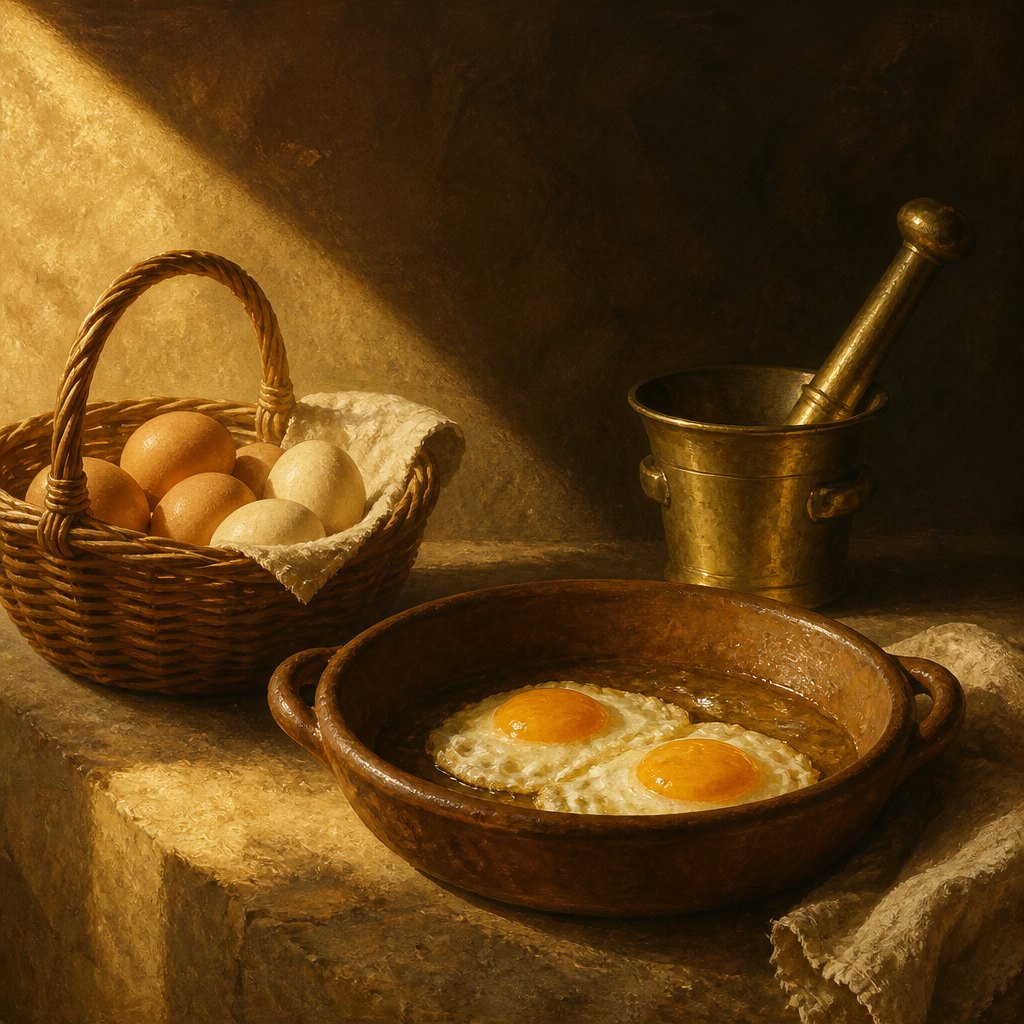
This example was generated from a prompt like: “A humble kitchen still life: eggs frying in a clay dish, a wicker basket, and a brass mortar, lit by warm raking sunlight against a plain dark wall, rendered with soft edges and golden tone.”
Open the Seville Art Style generator →The place today
The Museo de Bellas Artes de Sevilla, in a former convent, holds one of Spain's largest collections of Golden Age painting, including major Zurbaráns and Murillos. The Hospital de la Caridad keeps Valdés Leal's vanitas paintings and Murillo canvases in their original chapel setting. Seville Cathedral and its Giralda tower remain active working buildings. Holy Week still processions the city's historic polychrome sculptures through the streets each spring, a public tradition connecting present-day Seville directly to its 17th-century imaginería workshops.
Compose your own
Choose a devotional or genre subject and give it soft, blurred edges rather than sharp outline, letting form dissolve gently at the contours the way Murillo's late work does. Warm the palette with golden, honeyed light rather than cold northern grey. For a starker mode, follow Zurbarán: dress a single figure in heavy white or brown cloth, model the folds in raking side light against a plain dark ground, and keep the expression contemplative rather than dramatic. If working in sculpture, plan for polychrome finish, flesh tones, gilded hems, glass eyes, since Seville's carved figures were always painted, never left bare. Blue and white remain the fixed colors for any Marian-type figure.
Frequently asked questions
What made Seville Spain's wealthiest art center in the 1600s?
Its legal monopoly on trade with Spain's American territories through the Casa de Contratación, founded in 1503, brought enormous wealth that convents, cathedral authorities, and lay confraternities spent commissioning paintings and sculpture.
How does Murillo's style differ from Zurbarán's?
Zurbarán painted austere, sharply lit monastic figures against plain backgrounds, while Murillo, working slightly later, favored softer edges, warmer light, and gentler devotional subjects.
What is imaginería?
The Seville tradition of carved, polychromed wooden religious sculpture, developed by artists like Martínez Montañés and Juan de Mesa, produced chiefly for confraternities to carry in Holy Week processions.
Why did Velázquez leave Seville for Madrid?
After training and gaining his painting license in Pacheco's Seville workshop in 1617, he sought royal patronage; a 1623 introduction secured him the position of court painter to Philip IV in Madrid.