 Art
Art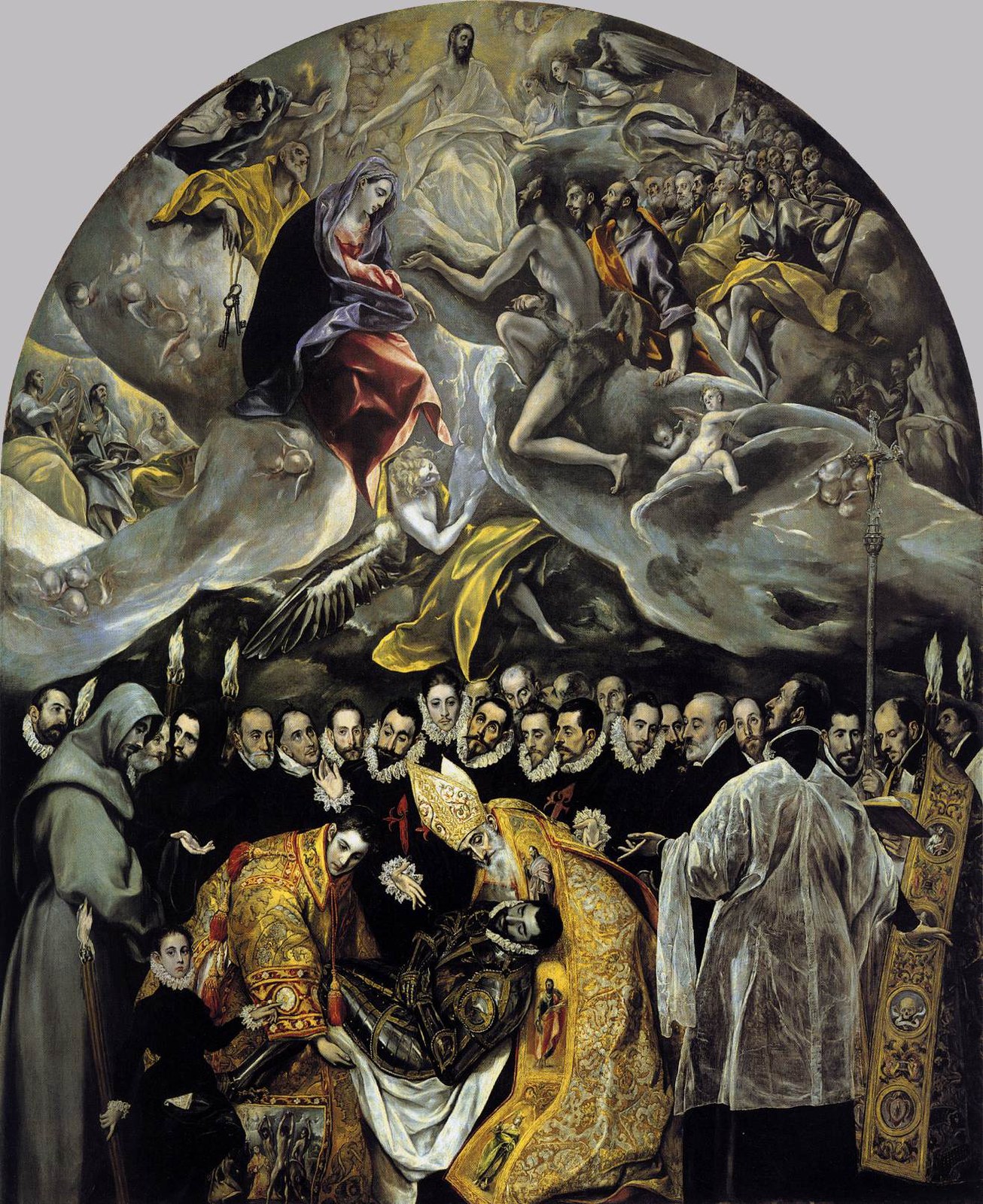
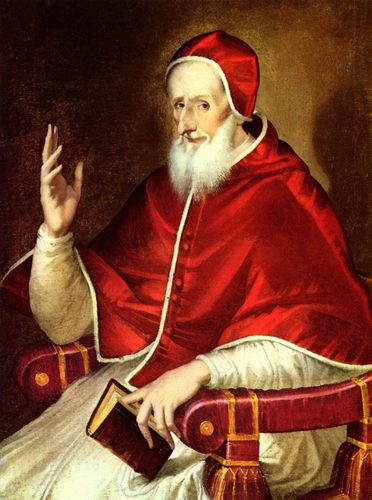
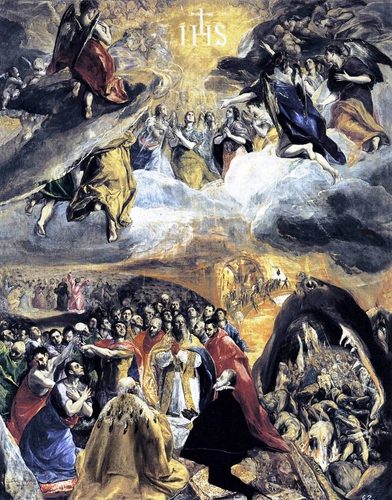
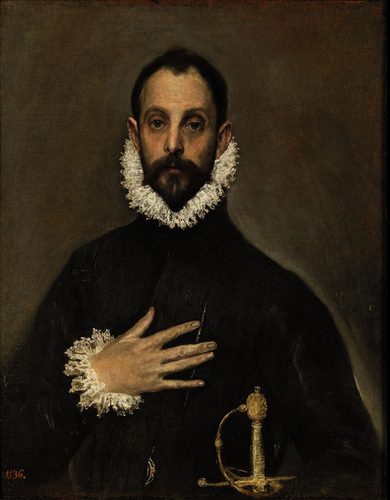
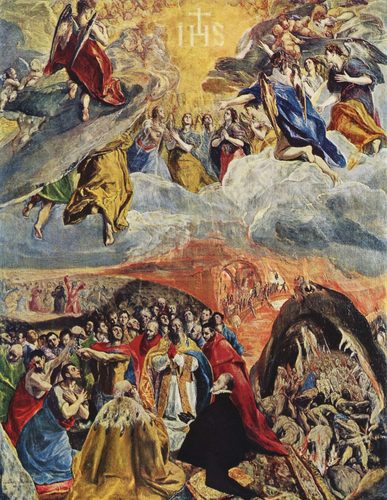
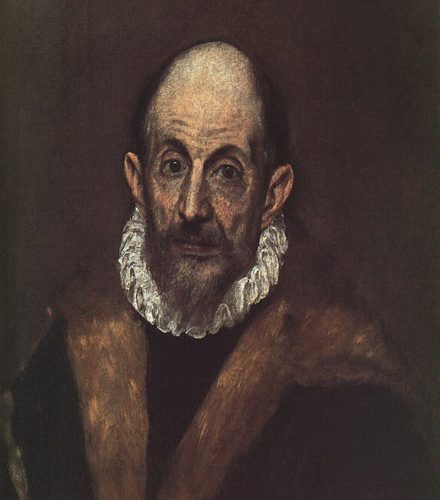
Toledo's art history spans centuries before it produced its most famous name. As capital of Visigothic and later Christian Spain, and home to overlapping Jewish, Muslim, and Christian communities after the 1085 reconquest, the city built synagogues, mosques, and churches whose craftsmen shared techniques across faiths, from Mozarabic manuscript illumination to Mudéjar woodwork and gold-damascened steel. Philip II moved the royal court to Madrid in 1561, ending Toledo's political role but leaving its churches, cathedral chapter, and religious orders as active patrons. Into this settled, devotional city came Doménikos Theotokópoulos, a Cretan-trained painter known as El Greco, who arrived from Rome in 1577 and never left. He fused Byzantine icon conventions, Venetian color learned under Titian, and Roman Mannerist elongation into a personal style of flame-like figures under flickering, unnatural light, painted almost entirely for Toledo's churches and private chapels.
What marks the region
Elongated proportion
Figures are stretched vertically well beyond natural anatomy, straining upward as if reaching toward a spiritual register above the earthly scene.
Cold, acidic palette
Greenish greys, sharp lead white, and flashes of lemon yellow replace the warm golden tones common further south in Spain.
Split heaven-and-earth composition
A single canvas divides an earthly scene, rendered with weight and shadow, from a swirling visionary sky above it.
City skyline backdrop
Toledo's own silhouette, walls, bridge, and cathedral tower, appears behind sacred subjects, grounding vision in a real place.
Flickering, inconsistent light
Drapery is lit from no single logical source, flaring bright in one fold and vanishing into shadow in the next.
Cross-cultural craft inheritance
Mudéjar plasterwork and woodwork techniques, developed by Islamic and Jewish craftsmen, carried into later church furnishings and altar frames.
Local signatures
How to spot Toledo art
- Elongated saint or holy figure
- → Marks the Toledo visionary style, breaking natural proportion for spiritual reach.
- View of Toledo's skyline
- → The walled city with cathedral and bridge, used as literal or symbolic backdrop.
- Swirling grey-green drapery
- → Cold, flame-like folds distinguishing Toledo painting from warmer Sevillian cloth.
- Star-shaped Mudéjar strapwork ceiling
- → Geometric plaster and wood patterns inherited from Islamic craft traditions.
- Hebrew inscriptions in stucco
- → Surviving synagogue decoration marking Toledo's medieval Jewish community.
- Damascened gold-on-steel ornament
- → Toledo's metalworking signature, gold thread inlaid into blackened steel.
The story
Toledo served as capital of the Visigothic kingdom from the 6th century and, after Christian reconquest in 1085, became a center where Christian, Jewish, and Muslim scholars worked side by side, producing the 12th-13th century School of Translators. Jewish patrons built synagogues such as El Tránsito, commissioned by royal treasurer Samuel ha-Levi around 1357, decorated by Mudéjar craftsmen in stucco. Mozarabic Christian scribes had produced illuminated Beatus manuscripts centuries earlier. Philip II relocated the Spanish court to Madrid in 1561, ending Toledo's role as capital but not its religious wealth. Doménikos Theotokópoulos, called El Greco, settled there in 1577 after training in Crete, Venice, and Rome, working for Toledo Cathedral and local confraternities until his death in 1614. His elongated, visionary style had few direct followers, and Toledo's painting production declined after his death as the city's population and wealth continued to shrink through the 17th century.
Masterpieces of the place
| Work | Artist | Date | Why it matters |
|---|---|---|---|
| The Burial of the Count of Orgaz | El Greco | 1586 | Painted for Santo Tomé, splitting an earthly funeral from a heavenly reception above it. |
| View of Toledo | El Greco | c. 1596-1600 | A stormy landscape of the city, among the earliest independent view paintings in European art. |
| The Disrobing of Christ (El Espolio) | El Greco | 1579 | An altarpiece painted for the sacristy of Toledo Cathedral, still displayed there. |
| El Tránsito Synagogue interior decoration | Unknown | c. 1357 | Mudéjar stucco work commissioned by treasurer Samuel ha-Levi, blending Hebrew text with Islamic-derived ornament. |
| Beatus of Toledo manuscript | Unknown | 10th century | A Mozarabic illuminated commentary on the Apocalypse, part of a wider Iberian manuscript tradition. |
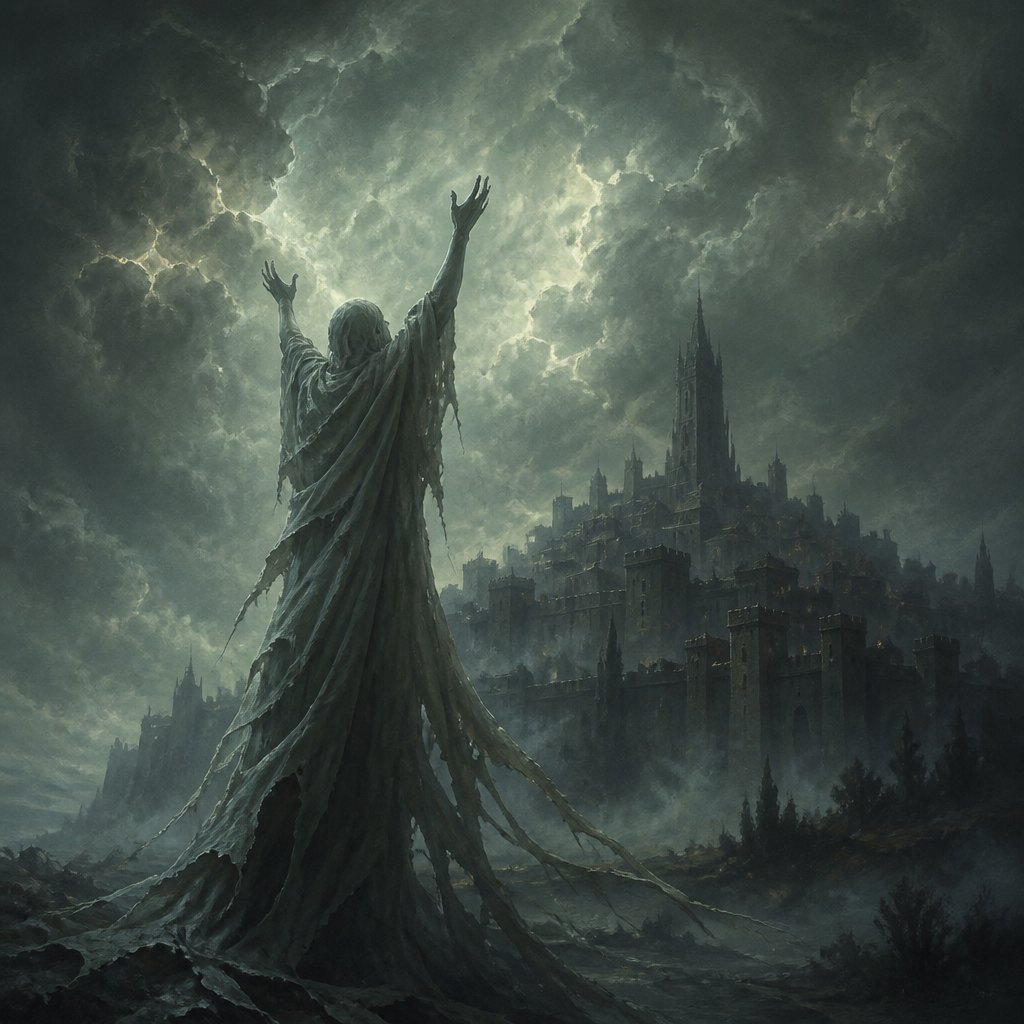 AI-generated
Work en plein air
Paint in the light of Toledo
This example was generated from a prompt like: “An elongated draped figure reaching upward under a stormy, flickering sky, painted in cold grey-green tones with the silhouette of a walled hill city and cathedral tower in the background.”
Open the Toledo Art Style generator →The place today
Toledo Cathedral still displays El Greco's Espolio in its original sacristy setting, and Santo Tomé church keeps the Burial of the Count of Orgaz where it was painted for. The Museo del Greco recreates a period house near his former neighborhood. El Tránsito Synagogue now houses the Sephardic Museum, and Santa María la Blanca preserves its horseshoe-arched prayer hall. Toledo's damascene workshops still produce gold-inlaid steel using techniques documented since the medieval period.
Compose your own
Stretch the human figure well beyond natural proportion, lengthening torso and limbs so a standing figure seems to strain upward off the canvas. Split the composition in two registers: an earthly scene rendered with weight and shadow below, a swirling, cloud-filled vision above where forms dissolve into brushwork. Use a cold palette, grey-green, lead white, acid yellow, ash blue, avoiding the warm gold light of southern Spain. Light figures from multiple, inconsistent sources so drapery flares bright in one fold and vanishes into shadow in the next. Include Toledo's own skyline, walls, a bridge, the cathedral tower, in the background. Keep brushwork visible and restless rather than smoothed.
Frequently asked questions
Why did El Greco settle in Toledo rather than Madrid?
He arrived from Rome in 1577 seeking court favor but failed to gain royal commissions; Toledo's cathedral chapter and religious orders offered steady work instead, and he remained there until his death in 1614.
What is the "Toledo school" of painting?
It refers loosely to El Greco's decades of work for Toledo's churches rather than a workshop of imitators; his elongated, visionary style had few direct followers in the city after he died.
Why does Toledo have both a synagogue and former mosque still standing?
Medieval Toledo held large Jewish and Muslim communities under Christian rule after 1085, and buildings like El Tránsito Synagogue and the former mosque of Cristo de la Luz survived later conversions to churches or museums.
What is Toledo damascening?
A metalworking technique inlaying fine gold or silver wire into blackened steel, documented in the city since the medieval period and still practiced by local workshops today.