 Art
Art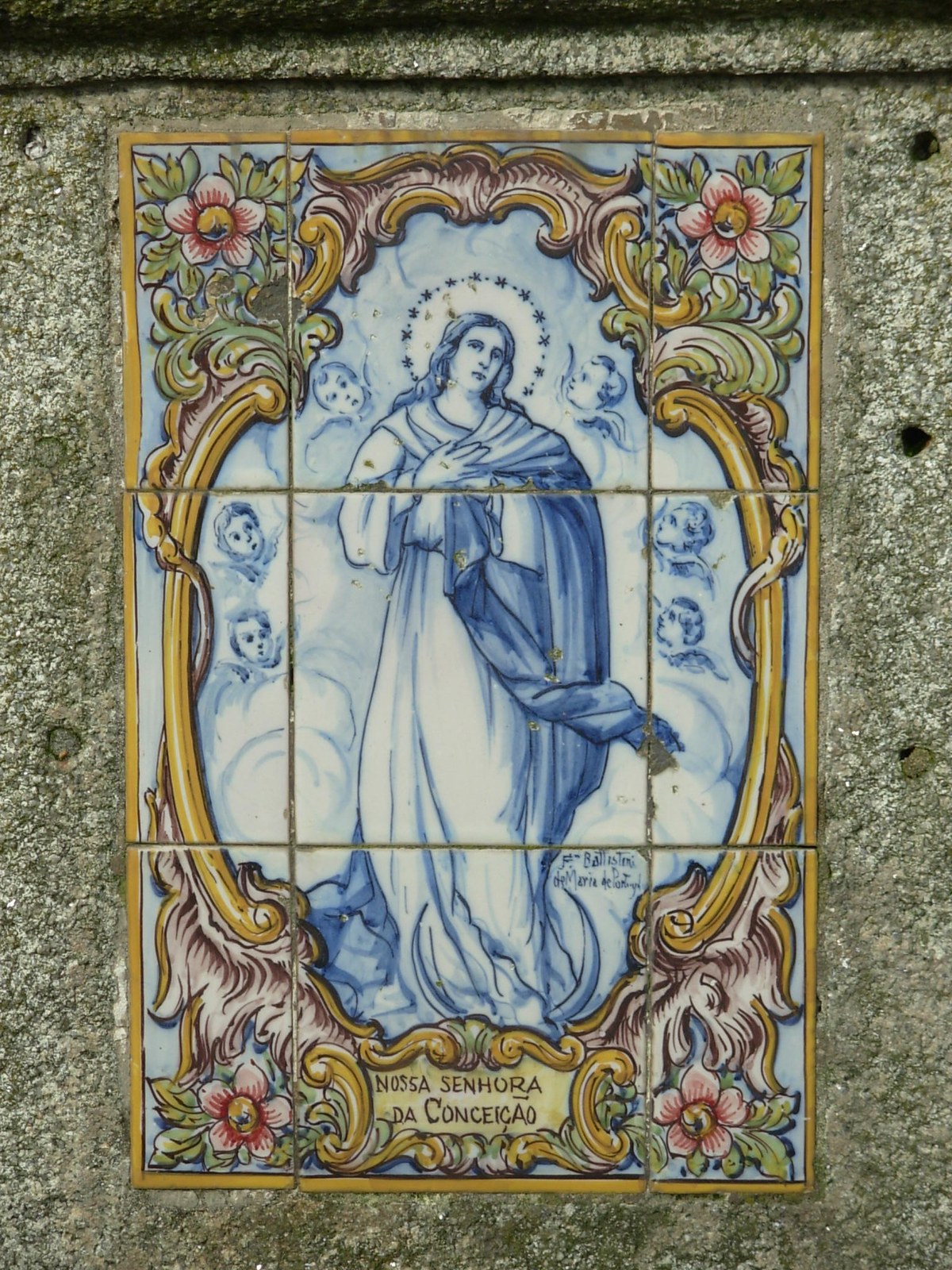
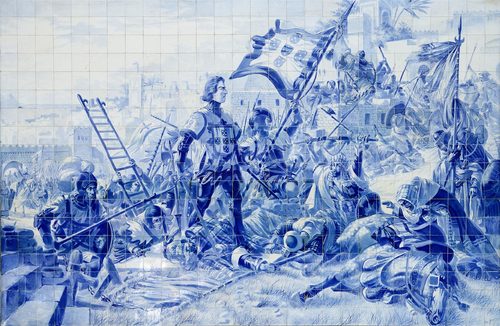
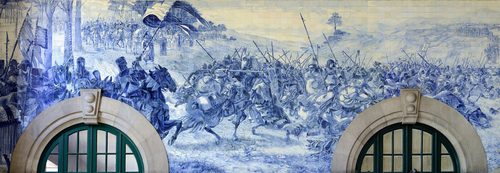
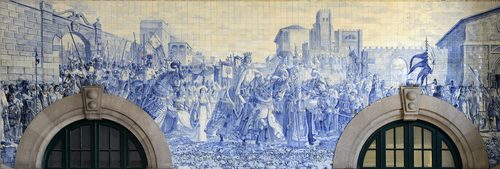
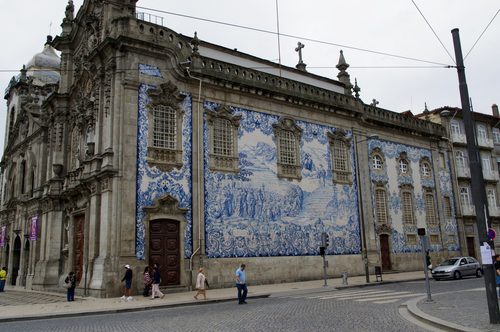
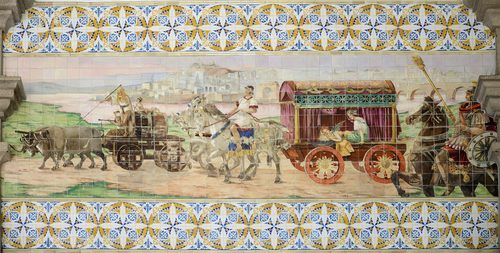
Porto is the Portuguese port city where wealth from the Douro wine trade financed a school of architecture and tile decoration unlike anywhere else in Iberia. Granite quarried from the surrounding hills gave the city its grey, weathered facades, while blue-and-white azulejo tiles, a technique absorbed from Moorish Spain, became the preferred surface for telling stories on churches, stations, and townhouses. The Italian-trained architect Nicolau Nasoni arrived in the 1720s and fused Roman Baroque curves with local granite construction, giving Porto its landmark bell tower and gilded church interiors. Unlike Lisbon, rebuilt on a strict grid after 1755, Porto kept its steep medieval street plan, so Baroque facades and tile panels sit crowded along the Ribeira waterfront rather than arranged on formal squares. British merchants who settled to trade port wine added their own patronage, but the tile tradition stayed emphatically local, reaching a late flowering in the early 1900s when Jorge Colaço covered São Bento station and Santo Ildefonso church in narrative blue-and-white panels retelling Portuguese history for a new railway age.
What marks the region
Azulejo tile-making
Hand-painted tin-glazed ceramic tiles fired in cobalt blue on white, assembled into wall-sized panels that told historical or religious narratives rather than simple repeating patterns.
Granite construction
Local granite, cut and dressed by hand, gave Porto's facades their grey solidity, a material choice driven by the hills the city was built on rather than imported stone.
Talha dourada
Baroque church interiors were carved in wood, then covered in gold leaf, turning altarpieces into glowing sculptural walls that hid the plain stone behind them.
Italian-Baroque import
Architects trained in Rome, chiefly Nicolau Nasoni, brought curved facades and dramatic bell towers to a city that had previously built in flatter Gothic and Manueline styles.
Civic narrative tiles
By the early 1900s tiles moved from churches to civic spaces, with railway stations and market halls commissioned as history lessons in ceramic for a literate public.
Steep riverside siting
Buildings climb the Douro's granite banks in tiers rather than sitting on flat squares, so facades and tile panels are seen at odd angles and close range rather than head-on.
Local signatures
How to spot Porto art
- Cobalt-blue and white tiles
- → The signature azulejo palette, borrowed from Delft and Chinese porcelain, marks a building as part of Porto's tile tradition.
- Historical narrative panels
- → Large tile scenes depicting battles, saints, or transport history, a Porto specialty distinct from pattern-only tiles common elsewhere in Portugal.
- Gilded woodwork altarpieces
- → Talha dourada carving covering entire church interiors in gold leaf, a Baroque signature of Porto and northern Portugal.
- Bare granite facades
- → Grey stone left unpainted around windows and doors, a practical and visual hallmark of the city's construction.
- Wrought-iron balconies
- → Slender iron balconies on tall narrow townhouses, marking the dense, vertical Ribeira streetscape.
- Rocaille scrollwork
- → Curling Baroque ornament on church facades and towers, imported via Nasoni's Roman training and rare elsewhere in Portugal at this scale.
The story
Porto grew wealthy on the Douro wine trade, and by the 1600s its merchant class wanted churches and townhouses to match. Azulejo tile-making, adopted from Moorish Iberia through Seville, became the city's preferred decorative surface, prized for withstanding damp Atlantic weather. In 1725 the Italian architect and painter Nicolau Nasoni settled in Porto, and over the following decades designed the Torre dos Clérigos, completed in 1763, along with church interiors fusing Roman Baroque movement with local granite. Gilded woodwork, talha dourada, reached its height in churches such as São Francisco through the 1700s. British merchants who arrived to broker the port wine trade after the 1703 Methuen Treaty added their own commissions but did not redirect the local style. A second wave of tile art arrived in the early 1900s, when Jorge Colaço painted large narrative azulejo panels for São Bento railway station between 1905 and 1916 and for the facade of Santo Ildefonso church in 1932, reviving the medium for a modern public audience. Porto's historic center was named a UNESCO World Heritage Site in 1996.
Masterpieces of the place
| Work | Artist | Date | Why it matters |
|---|---|---|---|
| Torre dos Clérigos | Nicolau Nasoni | 1763 | A curved Baroque bell tower that became Porto's skyline landmark and Nasoni's signature building. |
| São Bento Railway Station tile panels | Jorge Colaço | 1905-1916 | About 20,000 azulejo tiles narrate Portuguese history and transport across the station's entrance hall. |
| Igreja de Santo Ildefonso facade | Jorge Colaço | 1932 | A church exterior sheathed entirely in blue-and-white tile scenes, a late high point of the azulejo revival. |
| Igreja de São Francisco interior | Unknown | 18th century | Wood carving covered in gold leaf turns the Gothic church's interior into a continuous gilded surface. |
| Palácio da Bolsa Arab Room | Unknown | 1862-1880 | A stucco and gold interior modeled on Moorish decoration, built for Porto's commercial association. |
 AI-generated
Work en plein air
Paint in the light of Porto
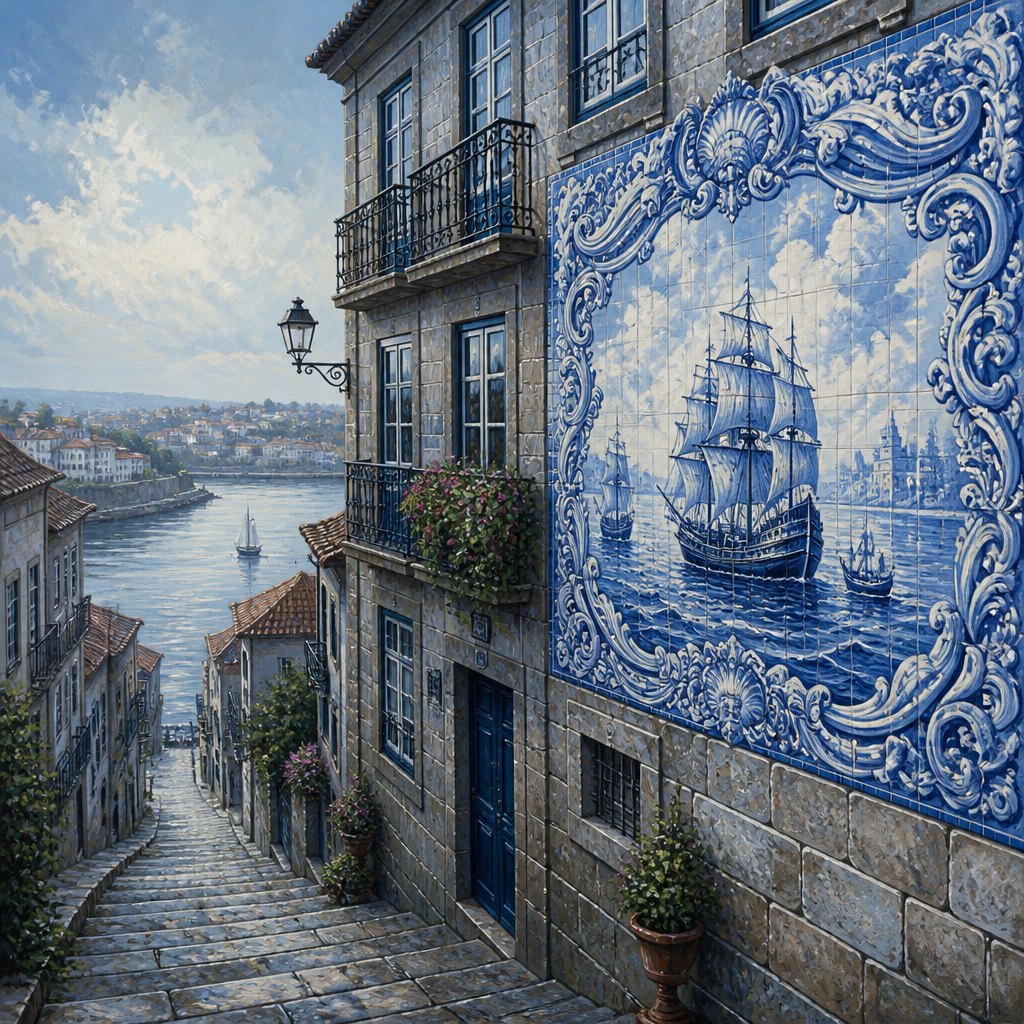
This example was generated from a prompt like: “A steep riverside street of grey granite townhouses with wrought-iron balconies, one wall covered in blue-and-white azulejo tiles depicting a historic sailing scene, framed by ornate Baroque scrollwork.”
Open the Porto Art Style generator →The place today
Porto's Ribeira district and hillside center remain largely intact, letting visitors read Nasoni's Baroque and Colaço's tile panels in their original street context. São Bento station still functions as a working terminal beneath its tile-covered hall. São Francisco church and Palácio da Bolsa operate as visitor sites preserving their gilded interiors. Vila Nova de Gaia, across the river, holds the port wine cellars whose trade financed much of this architecture. Tile workshops nearby continue hand-painting azulejos using traditional cobalt glazes.
Compose your own
Work in a strict cobalt-on-white palette for any tile surface, painting narrative scenes, ships, saints, historical battles, inside bordered panels rather than repeating patterns alone. Pair this with heavy, curved Baroque forms: volutes, broken pediments, and a tall bell tower silhouette if architecture is involved. Leave stone surfaces bare grey granite rather than painted, reserving color and gold entirely for interiors and tile panels. Inside a church, cover carved wood in gold leaf until the structure reads as a single glowing surface rather than separate elements. Keep street-level compositions dense and vertical, tall narrow facades, iron balconies, tiled panels glimpsed at an angle, to match the steep riverside site rather than a planned, symmetrical square.
Frequently asked questions
Why are Porto's tiles blue and white?
The cobalt-on-white palette came through Seville from Moorish and Chinese porcelain traditions, and proved durable against Atlantic damp, making it the practical and aesthetic default for Portuguese azulejos.
Who designed the Torre dos Clérigos?
The Italian-born architect and painter Nicolau Nasoni, who settled in Porto in 1725 and completed the bell tower in 1763, fusing Roman Baroque design with local granite construction.
Are the São Bento station tiles historic or modern?
They were painted between 1905 and 1916 by Jorge Colaço, making them an early twentieth-century revival of azulejo art rather than a medieval or Baroque original.
What is talha dourada?
Gilded woodcarving used across Porto's Baroque churches, in which entire wood-carved altarpieces and wall surfaces were covered in gold leaf, most visible today in the Church of São Francisco.