 Art
Art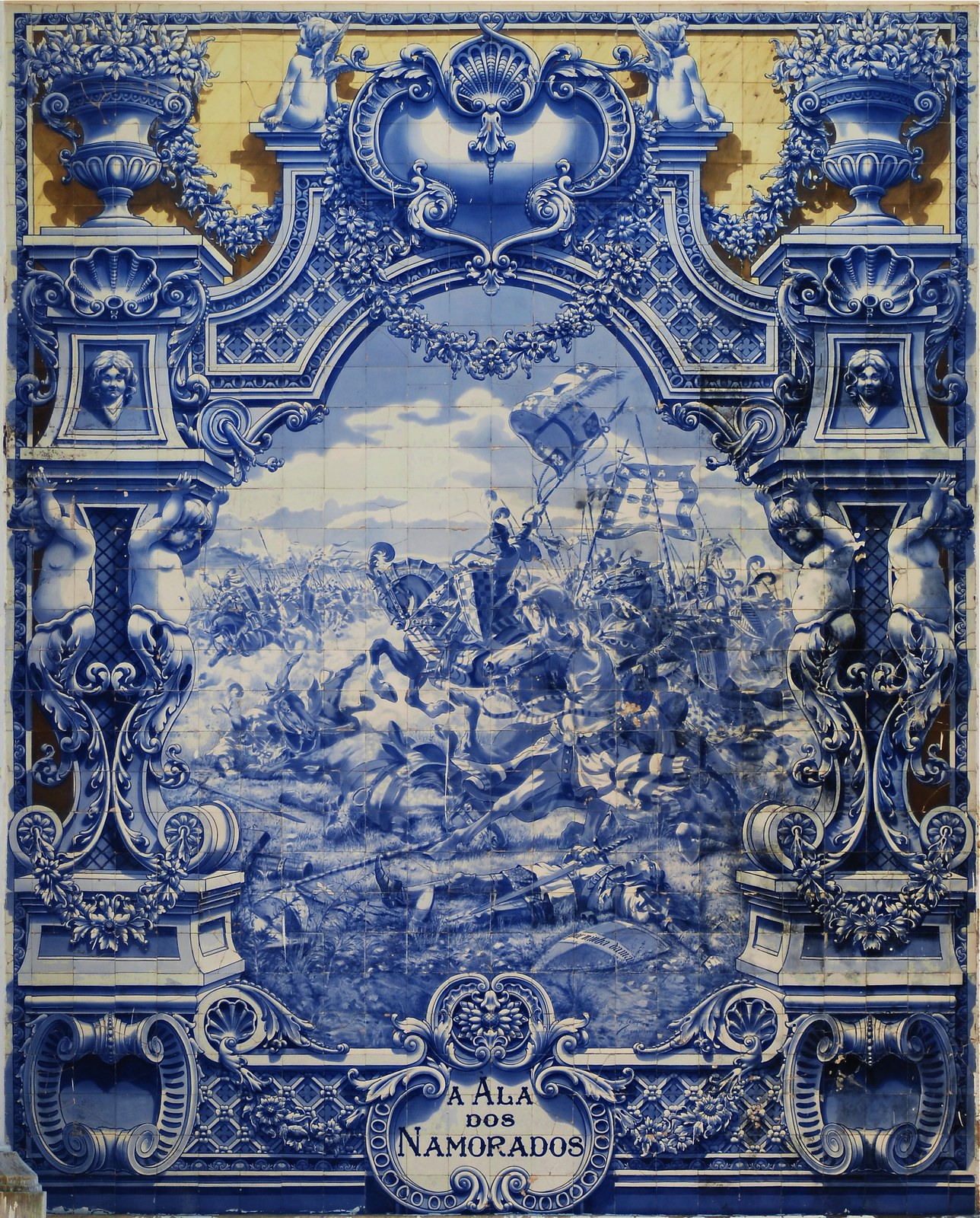
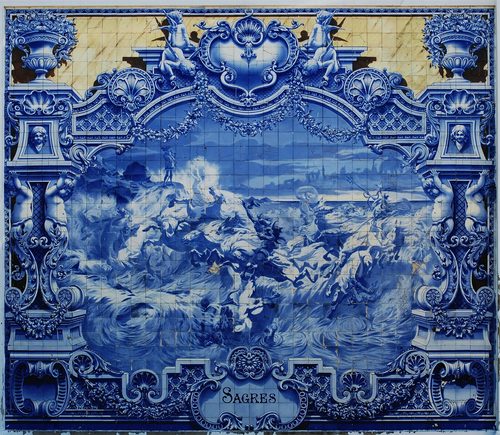
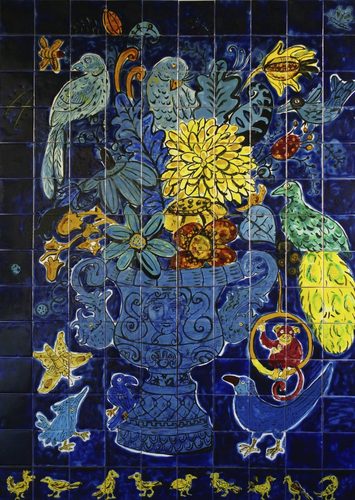
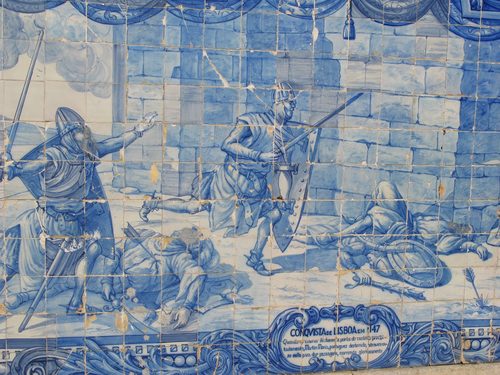
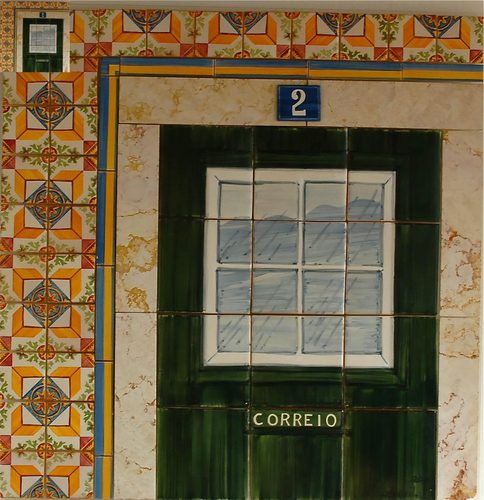
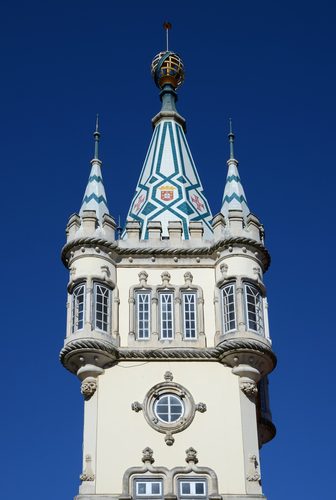
Lisbon's art history centers on two intertwined traditions: Manueline architecture and azulejo tilework. Manueline style takes its name from King Manuel I, who reigned 1495-1521 as wealth from the spice trade and voyages like Vasco da Gama's 1497-1499 expedition poured into the crown. Royal and religious patrons funded buildings combining late Gothic structure with maritime ornament, twisted stone ropes, coral, and armillary spheres, celebrating overseas expansion. Azulejo tile arrived from Seville in the early 1500s as imported Hispano-Moresque ware, but Portuguese workshops developed their own production within decades, eventually adopting the blue-and-white palette associated with Chinese export porcelain and Dutch Delftware by the mid-1600s. Tile covered church interiors, palace galleries, and later ordinary building facades, doubling as decoration and weatherproofing in Lisbon's damp Atlantic climate, a practical role that helped the tradition survive centuries of stylistic change.
What marks the region
Manueline maritime ornament
Stone carved into twisted rope, coral, and armillary-sphere forms wraps Gothic window and portal frames, turning structural masonry into a record of overseas voyages.
Azulejo wall cladding
Painted tin-glazed ceramic tiles cover interior and exterior walls in repeating or narrative panels, serving as decoration and protection against Atlantic humidity.
Figural tile panels
Large scenes assembled from dozens of individually painted tiles depict historical events, hunts, or devotional imagery across church cloisters and palace galleries.
Armillary sphere emblem
The navigational instrument used as King Manuel I's personal symbol appears carved or painted across architecture from this reign onward.
Cobalt blue-and-white palette
From the mid-1600s, Portuguese azulejo production settled into a dominant blue-on-white color scheme influenced by Chinese porcelain and Dutch tile imports.
Post-earthquake standard tile grids
After 1755, simpler repeating geometric tile patterns were produced quickly and cheaply to reclad Lisbon's rebuilt Pombaline-era facades.
Local signatures
How to spot Lisbon art
- Armillary sphere
- → A navigational globe motif and personal emblem of King Manuel I, marking a building or object to the Age of Discovery.
- Twisted stone rope
- → Ship's rope carved in relief around windows and portals, a direct reference to maritime voyaging in stonework.
- Cross of the Order of Christ
- → A red cross emblem tied to Portugal's maritime crusading order, appearing on sails, monuments, and architectural detail.
- Cobalt-blue tile pigment
- → The dominant blue-and-white azulejo palette borrowed from Chinese porcelain and Dutch Delftware, marking 17th-18th century Portuguese tilework.
- Coral and seaweed carving
- → Marine forms carved into Manueline stonework, tying architecture to the ocean voyages that funded it.
- Repeating Pombaline tile grid
- → Small-scale geometric tile pattern used for rapid, uniform reconstruction after the 1755 earthquake.
The story
King Manuel I, reigning 1495-1521, used revenue from the spice trade following Vasco da Gama's 1497-1499 voyage to India to fund major building projects. The Jerónimos Monastery, begun in 1501 under architect Diogo de Boitaca and continued by João de Castilho, combined Gothic vaulting with carved maritime ornament. The Torre de Belém, built 1514-1519 by Francisco de Arruda, guarded the Tagus river approach with the same decorative vocabulary. Azulejo tile, imported from Seville in the early 1500s, developed into local Portuguese production over the following century, shifting toward the cobalt blue-and-white palette by the mid-1600s under Chinese and Dutch influence. On November 1, 1755, a major earthquake and fire destroyed much of central Lisbon, and reconstruction under the Marquês de Pombal relied on standardized azulejo-clad facades. Eighteenth-century tile painters such as António de Oliveira Bernardes produced large narrative panels for churches like São Vicente de Fora.
Masterpieces of the place
| Work | Artist | Date | Why it matters |
|---|---|---|---|
| Jerónimos Monastery | Diogo de Boitaca | begun 1501 | A spice-trade-funded monastic church combining Gothic vaulting with carved maritime rope and coral ornament. |
| Torre de Belém | Francisco de Arruda | 1514-1519 | A fortified river tower whose turrets carry Manueline maritime carving alongside Moorish-influenced balconies. |
| Panel of Nossa Senhora da Vida | Unknown | c. 1580s | An early Renaissance-influenced azulejo panel marking Portugal's shift toward locally produced figural tilework. |
| Galleries of the Kings tile panels | Unknown | 1670s | An azulejo gallery at the Palácio dos Marqueses de Fronteira pairing painted royal portraits with garden architecture. |
| Great Panorama of Lisbon tile panel | Unknown | c. 1700 | A monumental blue-and-white azulejo cityscape recording Lisbon's skyline before the 1755 earthquake. |
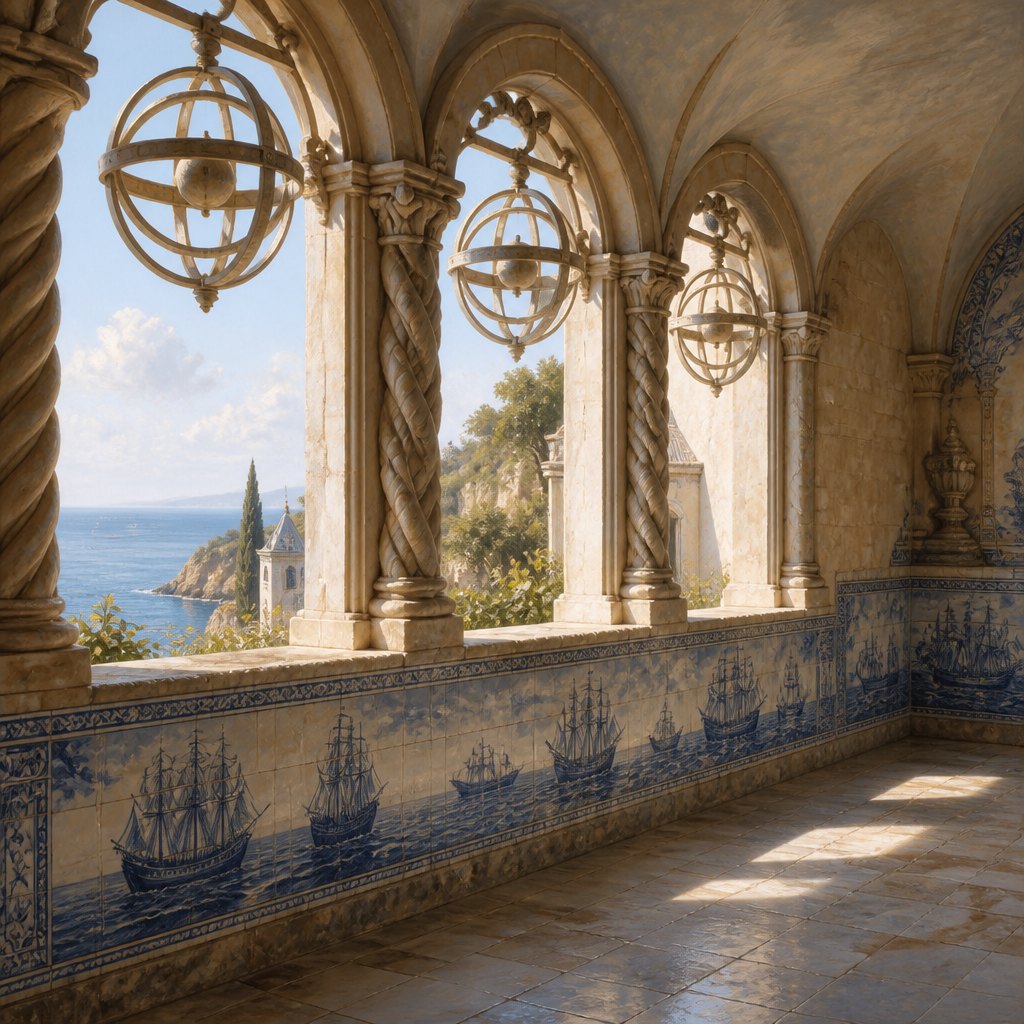 AI-generated
Work en plein air
Paint in the light of Lisbon
This example was generated from a prompt like: “An imagined monastery cloister with stone window frames carved as twisted rope and armillary spheres, and a blue-and-white tile dado depicting sailing ships, lit by soft coastal afternoon light.”
Open the Lisbon Art Style generator →The place today
The Museu Nacional do Azulejo, housed in the former Madre de Deus convent, holds the fullest public collection of Portuguese tilework from the 1500s to today. The Jerónimos Monastery and Torre de Belém form a UNESCO World Heritage site along the Tagus waterfront. Lisbon's metro stations continue the azulejo tradition with newly commissioned tile installations, and hand-painting workshops in the city still produce tiles using historic cobalt-and-tin-glaze methods.
Compose your own
For Manueline stonework, carve or draw window and portal frames as twisted ship's rope, coral branches, and armillary spheres wrapped around a Gothic pointed arch. For azulejo, paint scenes or geometric patterns in cobalt blue on white tin-glazed ceramic, working across a grid of individual square tiles so the image only reads correctly assembled at full scale. Keep figures and landscapes flattened and outlined rather than deeply shaded. Pair the two traditions by framing a tiled interior with carved maritime stonework at doors and windows, and let coastal, slightly overcast light define the color balance.
Frequently asked questions
What does 'Manueline' mean and when was it used?
Manueline refers to an architectural style named after King Manuel I of Portugal, combining late Gothic structure with carved maritime ornament, produced mainly during his reign from 1495 to 1521 and shortly after.
What is an azulejo?
An azulejo is a glazed ceramic tile, typically painted, used to cover walls in Portugal since the early 1500s. The word derives from the Arabic al-zulayj, meaning polished stone, reflecting its Moorish-influenced origin.
Why is blue and white the dominant azulejo color scheme?
From the mid-1600s, Portuguese tile production adopted a cobalt-on-white palette influenced by imported Chinese porcelain and Dutch Delftware, which had become fashionable across European courts and workshops at the time.
How did the 1755 earthquake affect Lisbon's art?
The earthquake and subsequent fire destroyed much of central Lisbon, and rebuilding under the Marquês de Pombal relied on standardized, quickly produced azulejo facade tiles, shifting the tradition toward simpler repeating patterns.