 Art
Art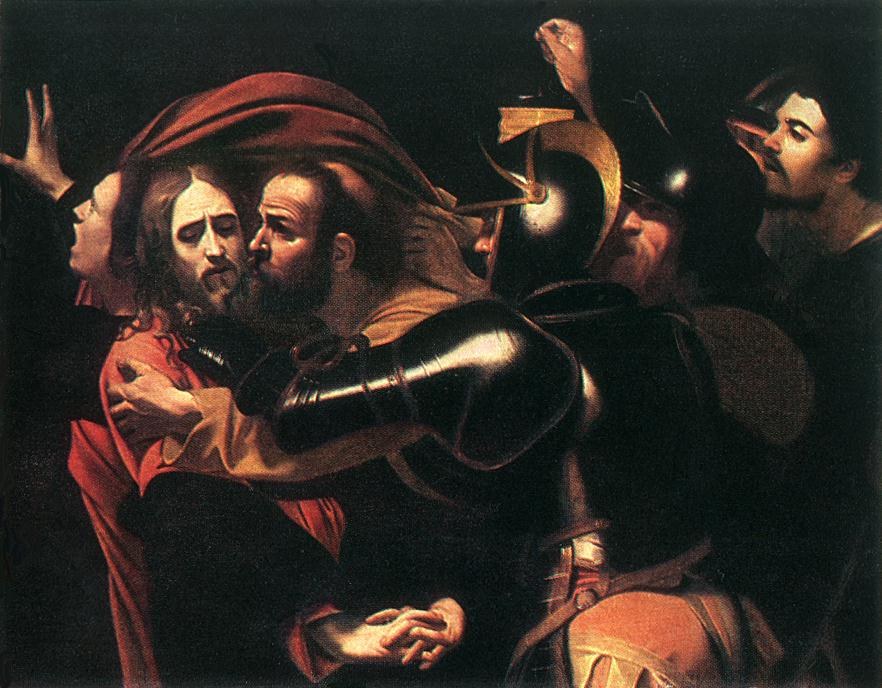
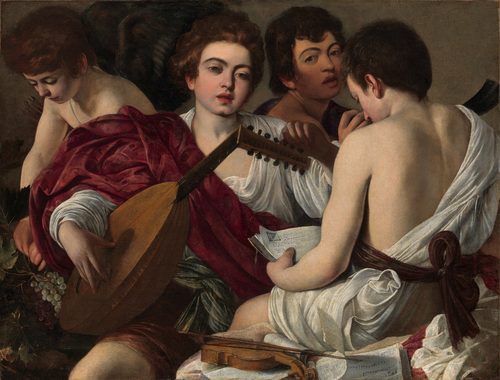
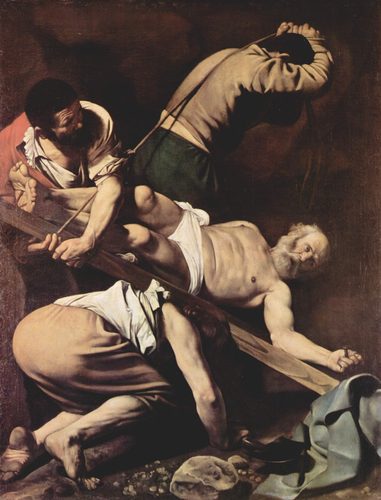
Neapolitan art is the Baroque tradition of a Spanish-ruled port city that was, for most of the 1600s, the largest and most crowded metropolis in Europe, producing a painting style rougher and darker than Rome's papal grandeur. Naples had no native ruling dynasty commissioning art for glory — it was governed by Spanish viceroys focused on tax revenue, while the real wealth sat with a huge, dense urban poor and a small aristocracy competing for status through churches and private chapels. Caravaggio fled here twice after fleeing Rome, and his hard-edged tenebrism found a city ready for it: Neapolitan painters like Ribera and Giordano built on that raw, spotlit realism instead of softening it into Roman theater. The city's overcrowding, poverty, and frequent disasters — plague, eruptions of Vesuvius, uprisings against Spanish rule — gave its art an undercurrent of real violence and mortality that papal Rome's more triumphant Baroque rarely shows, favoring martyrdom and suffering over ceremony and glory.
What marks the region
Hard tenebrism
Extreme dark-light contrast, sharper and rougher than Rome's version, with figures often emerging from near-total black.
Street-level realism
Saints and martyrs are painted with the weathered faces and bodies of real working people, not idealized models.
Martyrdom over triumph
Neapolitan altarpieces favor suffering, plague scenes, and violent death over the ceremonial glory common in Roman commissions.
Dense, crowded compositions
Multiple figures pack close to the picture plane, mirroring the city's own extreme population density.
Rapid, prolific studio output
Painters like Giordano worked at high speed for a huge, demanding market of churches and private patrons.
Spanish and viceregal taste
Colonial administrators and visiting Spanish patrons shaped subject matter, favoring dramatic devotional themes exportable back to Spain.
Local signatures
How to spot Naples art
- Vesuvius smoking in the background
- → The volcano overshadowing the bay appears as a constant reminder of disaster and divine judgment.
- Plague saints (San Gennaro)
- → Naples's patron saint against plague and eruption appears repeatedly, reflecting the city's recurring disasters.
- Extreme dark backgrounds
- → Near-total black grounds push all attention onto a single lit figure, the city's signature tenebrist device.
- Weathered, working-class faces
- → Models drawn from the street rather than idealized types, grounding sacred scenes in visible poverty.
- Coral and bay imagery
- → Naples's port trade and craft in coral jewelry surface as decorative motifs in still life and genre scenes.
The story
Naples in the 1600s was ruled by Spanish viceroys as part of the Habsburg empire, a huge port city whose wealth sat oddly beside mass poverty and overcrowding. Caravaggio arrived in 1606 fleeing a murder charge in Rome, and again in 1609 fleeing further trouble, and his brief stays left a lasting local following. Jusepe de Ribera, a Spanish painter who settled permanently in Naples, pushed Caravaggio's dark realism further, painting flayed martyrs and aged philosophers with unflinching physical detail for both church and Spanish viceregal patrons. A local cabal of established painters reportedly worked to block outside competition, most infamously against the visiting Guido Reni and later Domenichino, protecting Naples's own painters' monopoly on major commissions. Luca Giordano later worked at extraordinary speed across Naples, Spain, and beyond, absorbing lighter Baroque color while keeping the city's appetite for drama. Recurring plague, a 1631 Vesuvius eruption, and the 1647 Masaniello revolt against Spanish rule kept mortality and disaster present in Neapolitan subject matter throughout the century.
Masterpieces of the place
| Work | Artist | Date | Why it matters |
|---|---|---|---|
| The Seven Works of Mercy | Caravaggio | 1607 | Painted during his Naples exile, cramming charitable acts from a single street scene into one dark canvas. |
| The Martyrdom of Saint Bartholomew | Jusepe de Ribera | 1634 | A flaying scene painted with unflinching anatomical detail, typical of Neapolitan appetite for physical suffering. |
| The Triumph of Judith | Luca Giordano | c. 1704 | A ceiling fresco painted at Giordano's characteristic speed, lighter and more decorative than his early dark work. |
| Judith Beheading Holofernes | Artemisia Gentileschi | c. 1620 | Painted in Florence a decade before she settled in Naples in 1630, pushing Caravaggesque violence with unusual physical force. |
| San Gennaro Chapel treasury works | various Neapolitan artists | 1600s-1700s | A civic chapel built on a public vow taken during plague, honoring the city's patron saint against plague and eruption and decorated across generations. |
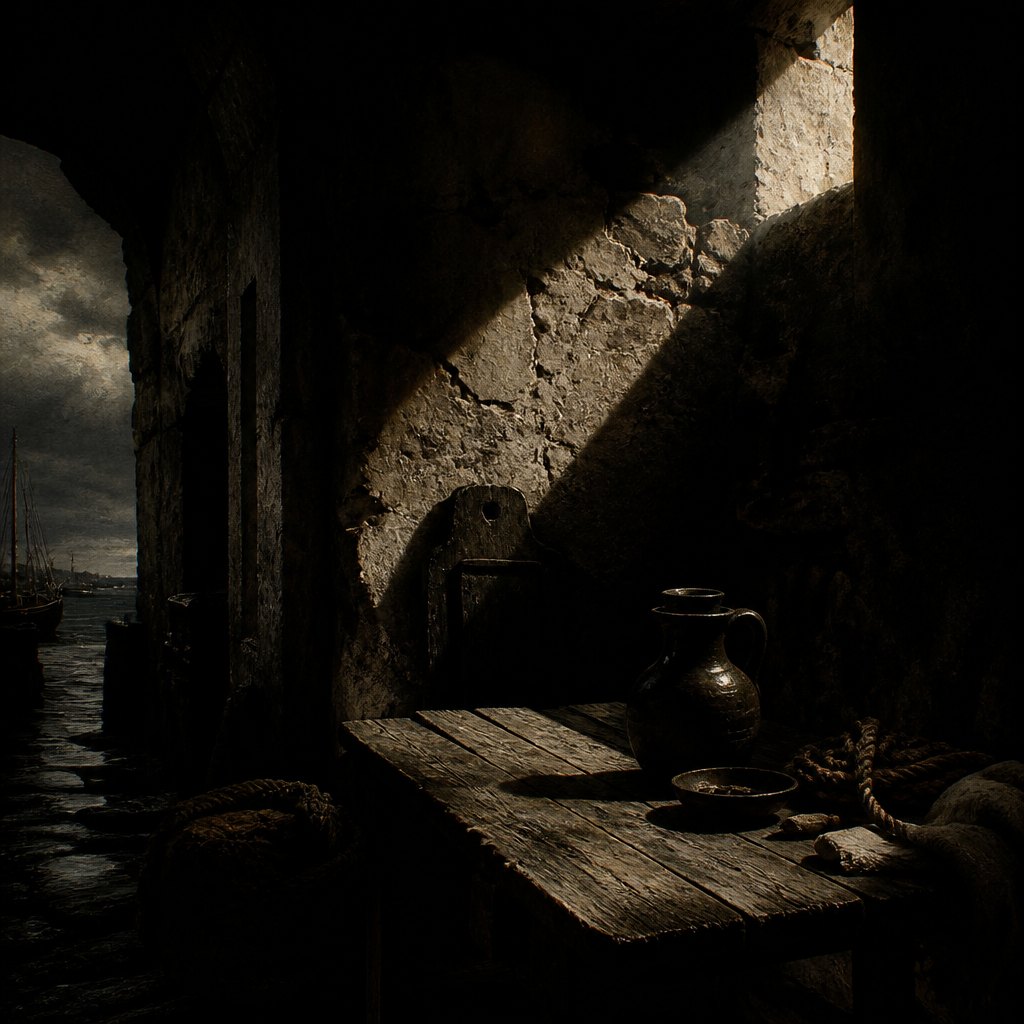 AI-generated
Work en plein air
Paint in the light of Naples
This example was generated from a prompt like: “A dark, near-black interior with a single hard beam of light striking rough stone walls and a weathered wooden table, extreme tenebrist shadow, gritty unpolished texture, port-city atmosphere, no figures, evoking raw seventeenth-century Neapolitan realism.”
Open the Neapolitan Baroque Art Style generator →The place today
Naples remains one of Europe's poorest major cities, and its art scene reflects that same rough, unpolished energy rather than a curated museum calm — street art and graffiti cover the historic center's crumbling facades, often engaging directly with the same saints and superstitions that filled Baroque chapels. The Capodimonte museum holds the city's major historical collection, while contemporary galleries in the Quartieri Spagnoli operate alongside genuine poverty rather than apart from it. Naples trades less on polish than on intensity, a continuity of atmosphere more than of institutions.
Compose your own
Push the darkness further than Roman tenebrism dares — let three-quarters of the canvas sit in near-total black, with light striking only the essential action. Choose a model with a real, weathered face and body rather than an idealized type, since Neapolitan realism reads suffering through physical specificity, not generalized beauty. Bring the figures close to the picture plane, crowding the composition until it feels as dense as a market street. Favor a moment of real physical strain or pain over calm devotion. Build the paint in thick, visible strokes rather than smooth blending, and work fast — speed and volume mattered as much as finish for a city this hungry for religious images.
Frequently asked questions
Why did Caravaggio end up in Naples?
He fled there twice, first in 1606 after killing a man in Rome and again in 1609 after further violence, since Spanish-ruled Naples sat outside papal jurisdiction and offered relative safety plus steady commissions.
What makes Neapolitan Baroque different from Roman Baroque?
Naples was poorer, denser, and ruled by Spanish viceroys rather than a triumphant papal court, so its art favors raw suffering, extreme shadow, and street-level realism over Rome's more ceremonial, theatrical grandeur.
Did Naples have its own painters or just visitors?
Both. Caravaggio and Artemisia Gentileschi passed through, but Naples produced its own major figures, including Jusepe de Ribera and the prolific Luca Giordano, who built a distinct local school.
How did disasters shape Neapolitan art subjects?
Plague outbreaks, Vesuvius eruptions, and the 1647 revolt against Spanish rule kept mortality present in daily life, pushing patrons toward plague saints, martyrdom scenes, and disaster imagery more than celebratory subjects.