 Art
Art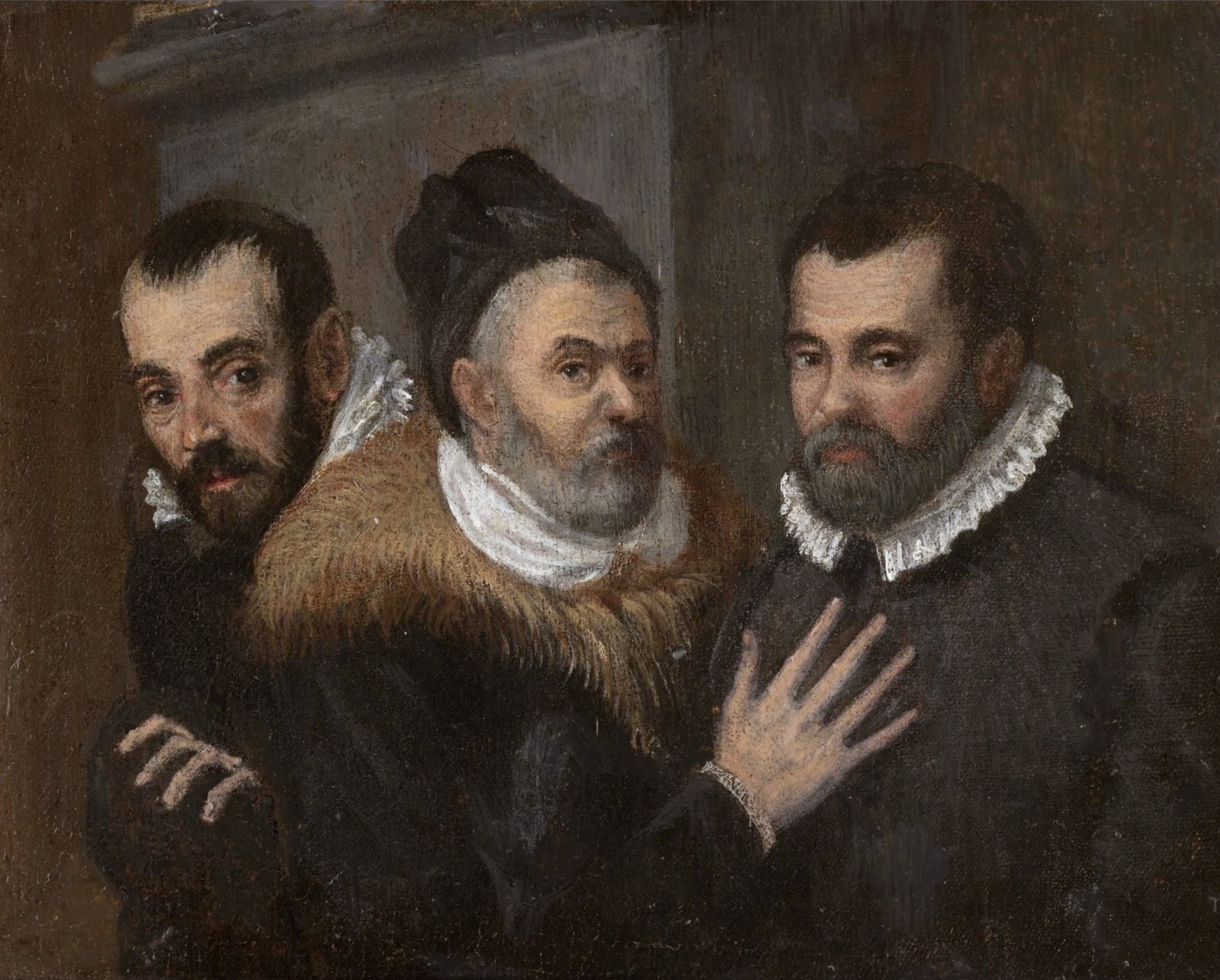
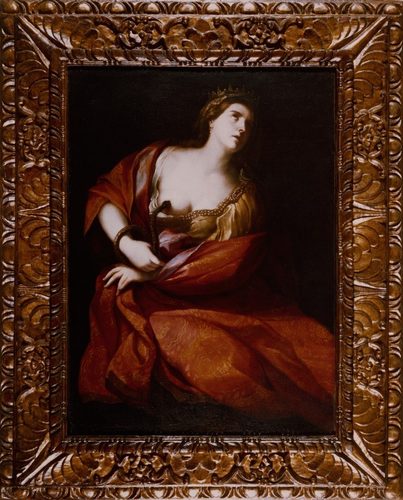
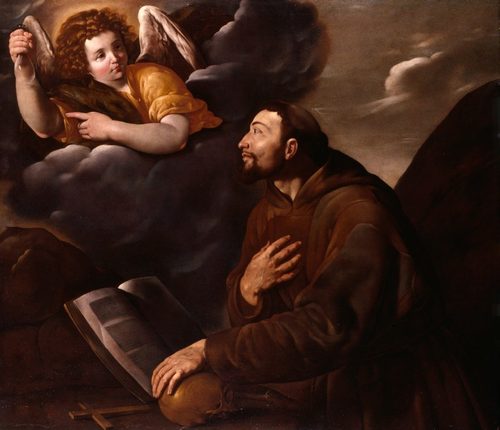
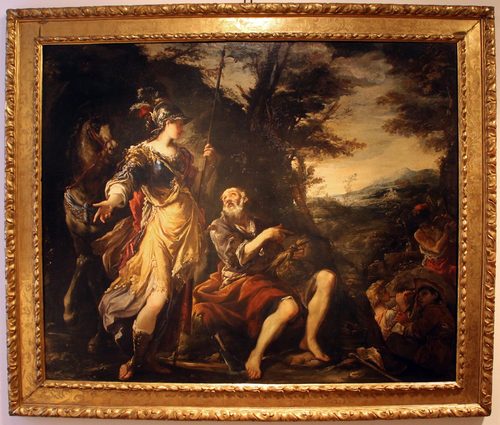
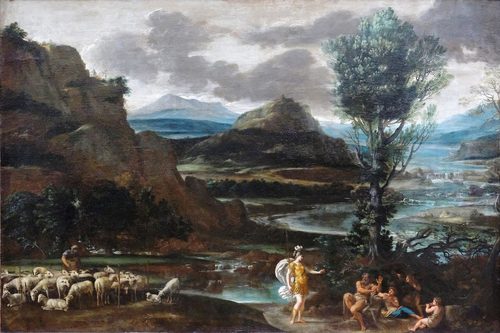
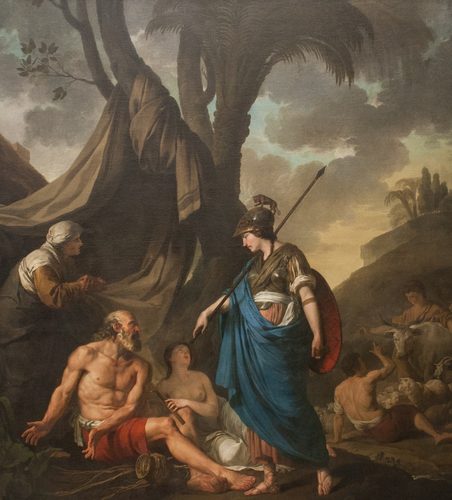
Bologna became one of Italy's most influential art centers in the 1580s, when brothers Agostino and Annibale Carracci and their cousin Ludovico founded a private academy, later called the Accademia degli Incamminati, that trained painters through direct study of live models and anatomy rather than repeating Mannerist formulas. The city's medieval university, founded in 1088, had already made Bologna a center of scholarship, and that academic habit of mind carried into painting: students studied Raphael's design, Correggio's soft modeling, and Venetian color side by side, synthesizing rather than choosing one master to imitate. Church and noble patrons across Emilia commissioned fresco cycles for palazzi and altarpieces for Bologna's brick Gothic churches, giving the academy's graduates, Guido Reni, Domenichino, Francesco Albani, and Guercino, steady work. When Annibale Carracci left for Rome in 1595 to decorate the Palazzo Farnese, he carried Bolognese naturalism into the heart of the Baroque, and Bologna itself remained the training ground where the next generation kept refining it.
What marks the region
Academy life drawing
The Carracci academy replaced Mannerist invention with drawing from live models and dissected anatomy, a discipline every Bolognese painter passed through before taking a commission.
Eclectic synthesis
Rather than imitate one master, Bolognese painters deliberately combined Raphael's composition, Correggio's soft light, and Venetian color into a single reformed style.
Palazzo fresco cycles
Noble families commissioned continuous narrative frescoes across whole rooms of their palazzi, giving young academy graduates their first public showcase before church work.
Naturalistic altarpieces
Saints appear with weight and real anatomy rather than Mannerist elongation, painted for Bologna's Gothic brick churches in a style meant to read as devout rather than decorative.
Quadri riportati ceilings
Ceiling frescoes were framed to look like individual easel paintings set into the architecture, a Bolognese device that kept illusionism legible rather than dizzying.
University-trained precision
Bologna's medieval university gave painters access to anatomical dissection and classical texts, producing a more studied, less decorative realism than rival schools.
Local signatures
How to spot Bologna art
- Quadri riportati framing
- → Painted ceiling panels made to look like separate framed pictures rather than a single continuous illusion, a Bolognese ceiling signature.
- Soft Correggesque shading
- → Gentle, smoky modeling of flesh and drapery borrowed from Correggio, softer than Roman or Florentine contour drawing.
- Classicized saints in naturalistic anatomy
- → Figures given real muscular weight and proportion rather than Mannerist elongation, a mark of academy life-drawing training.
- Warm Emilian palette
- → Golden ochres and rose tones typical of Bolognese altarpieces, distinct from the cooler palettes of Venice or Rome.
- San Petronio, patron saint imagery
- → Bologna's civic patron saint appears in altarpieces and processions, tied to the city's Gothic basilica dedicated to him.
- Plague-votive Madonnas
- → Paintings commissioned after outbreaks like 1630, showing the Virgin interceding for the city, reflect Bologna's recurring civic plague vows.
The story
Bologna's university, founded in 1088 and among Europe's oldest, gave the city an intellectual culture that later shaped its painting academies. Construction of the Gothic basilica of San Petronio began in 1390, anchoring the city's religious art. Bolognese painting's decisive turn came around 1582, when Ludovico, Agostino, and Annibale Carracci opened a private academy rejecting Mannerist artifice in favor of life drawing and study of Raphael, Correggio, and Venetian color. Their fresco cycle at Palazzo Fava, the Story of Jason, dates to 1583-84. Agostino's Communion of St. Jerome (1591-92) and Ludovico's Assumption of the Virgin (1592) established the reformed style locally. Annibale left for Rome in 1595 to fresco the Palazzo Farnese for the Farnese family, spreading Bolognese naturalism nationally. Guido Reni, Domenichino, and Guercino, all academy-trained, dominated Bolognese painting through the first half of the 1600s, with Reni's plague votive altarpiece of 1616 among the city's major Baroque commissions. Bologna's painting output slowed after the mid-1600s as Rome and Naples drew talent away.
Masterpieces of the place
| Work | Artist | Date | Why it matters |
|---|---|---|---|
| Story of Jason (Palazzo Fava frescoes) | Ludovico, Agostino, and Annibale Carracci | 1583-84 | A fresco cycle for a Bolognese noble palazzo that announced the Carracci reform in public. |
| The Communion of St. Jerome | Agostino Carracci | 1591-92 | A naturalistic altarpiece that made the academy's anti-Mannerist program visible in a Bolognese church. |
| Assumption of the Virgin | Ludovico Carracci | 1592 | Softly modeled figures and warm color that became the template for Bolognese Baroque altarpieces. |
| Pala della Peste | Guido Reni | 1616 | A plague votive altarpiece for Bologna, showing the reformed style at its most serene and devotional. |
| Saint William of Aquitaine Renouncing His Wealth | Guercino | 1620 | A dramatic, deep-shadowed altarpiece painted for a Bolognese church, showing the academy's naturalism turned toward tenebrism. |
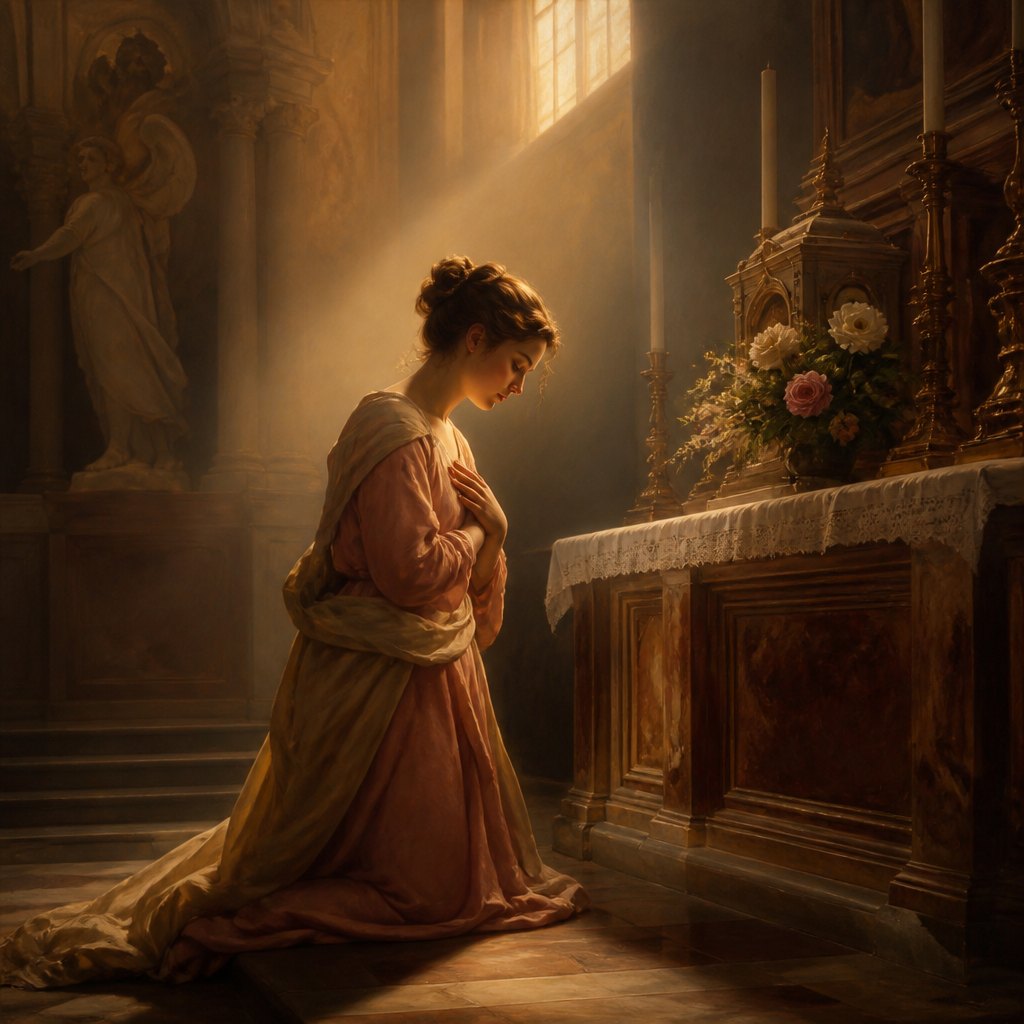 AI-generated
Work en plein air
Paint in the light of Bologna
This example was generated from a prompt like: “A softly lit church interior with a kneeling figure bathed in warm golden light, rendered with anatomically precise naturalism, gentle smoky shading, and a restrained rose-and-ochre palette typical of reformed Baroque altarpieces.”
Open the Bologna Art Style generator →The place today
Bologna's Pinacoteca Nazionale holds the Carracci family's key reform paintings alongside Guido Reni and Guercino altarpieces, many pulled from the city's own churches. The Gothic basilica of San Petronio and smaller parish churches still display original Bolognese Baroque altarpieces in situ. Palazzo Fava, home to the Carracci's Jason frescoes, is open as a museum space. Bologna's university, continuously active since the Middle Ages, still anchors the city's cultural identity, though contemporary art activity centers more on Milan and Turin than on Bologna itself.
Compose your own
Start from careful life drawing rather than invented gesture: give figures real anatomical weight, muscles and joints observed rather than elongated for elegance. Model flesh and drapery with soft, smoky transitions rather than hard Florentine outline, borrowing Correggio's gentleness. Choose a warm, golden-rose palette over cool Venetian blues. If painting a ceiling or large wall, frame each scene as though it were a separate easel painting set into fake architecture, rather than one continuous illusionistic sky. Keep religious figures grounded and devout rather than theatrical: lowered eyes, calm gesture, restrained drama. A single kneeling figure bathed in soft golden light, rendered with academic anatomical correctness, reads as Bolognese faster than any specific motif.
Frequently asked questions
What was the Carracci academy and why does it matter?
A private art school opened in Bologna around 1582 by the Carracci family, teaching life drawing and anatomy instead of Mannerist convention. It became the model for later European academies, including in Paris and London.
How is Bolognese painting different from Roman Baroque?
Bolognese painting stayed closer to naturalistic observation and soft, Correggio-influenced modeling, while Roman Baroque under later artists pushed toward sharper drama and stronger contrast.
Who were the major Bolognese-trained painters?
Guido Reni, Domenichino, Francesco Albani, and Guercino all trained in or near the Carracci academy tradition and carried its naturalistic reform into major commissions across Italy.
Where can Bolognese Baroque painting be seen today?
The Pinacoteca Nazionale di Bologna holds the core collection, and the basilica of San Petronio along with several Bolognese parish churches still display original altarpieces in their intended settings.