 Art
Art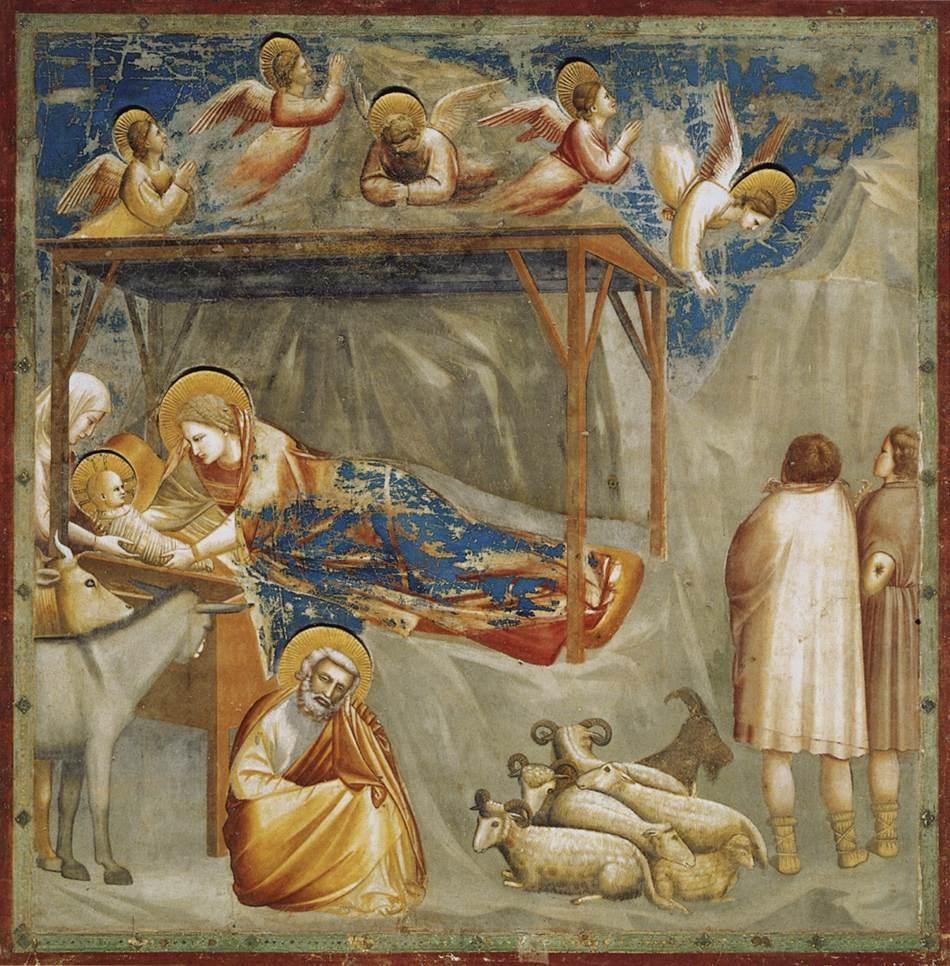
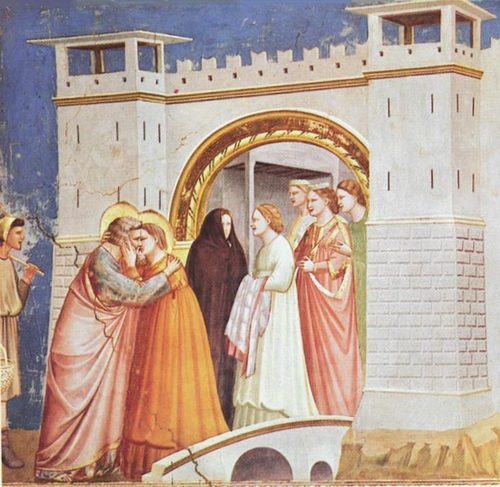
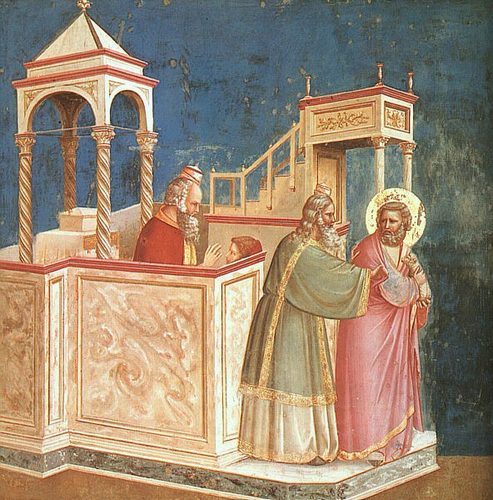
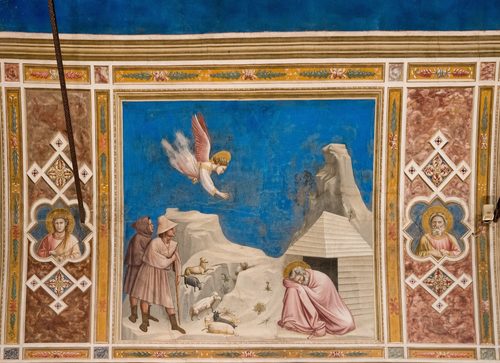
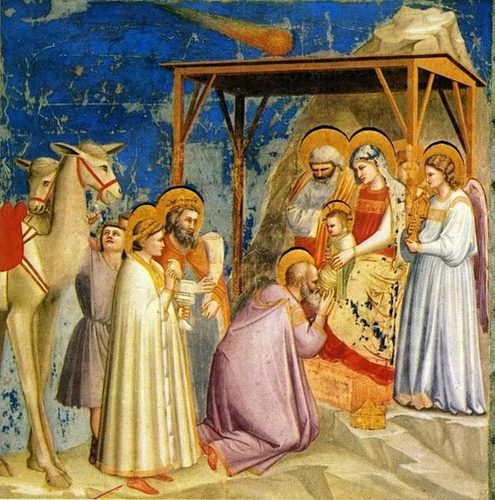
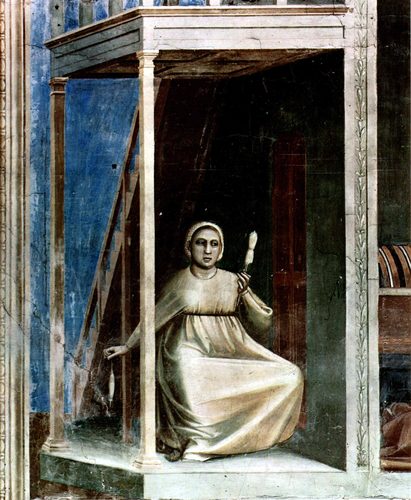
Padua became a pivotal art center in 1303, when the banker Enrico Scrovegni commissioned Giotto to fresco a private chapel with a continuous narrative cycle that broke from Byzantine flatness toward weighted, emotionally legible figures. The city's university, founded in 1222 and one of Europe's oldest, made Padua a center of humanist scholarship and antiquarian interest in Roman ruins, coins, and inscriptions, a fascination that shaped the next generation of Paduan art. Francesco Squarcione ran a workshop in the mid-1400s that trained students, including the young Andrea Mantegna, on plaster casts of antique sculpture rather than living models, producing a hard, sculptural style of drapery and anatomy unlike anything in Florence or Venice. Florence sent its own contribution when Donatello worked in Padua from 1443 to 1453, casting the bronze equestrian monument to the mercenary captain Gattamelata and the high altar reliefs for the Basilica del Santo, introducing Renaissance bronze technique to the Veneto. Mantegna carried this antiquarian, linear style into his own frescoes before leaving for the Gonzaga court in Mantua in 1460.
What marks the region
Continuous narrative fresco
Giotto's Scrovegni Chapel arranged biblical scenes in tiered bands read like a sequence, giving weight and emotional legibility to figures that earlier Byzantine-influenced painting had kept flat.
Antiquarian study from casts
Squarcione's workshop trained painters by drawing from plaster casts of Roman statues rather than live models, producing a harder, more sculptural line than Florentine or Venetian painting.
Illusionistic perspective from below
Paduan painters, Mantegna especially, pushed steep di sotto in su foreshortening, placing the viewer physically beneath painted architecture and figures.
Bronze casting technique
Donatello's years in Padua introduced Florentine lost-wax bronze casting at large scale, producing the city's equestrian monument and altar reliefs.
Archaeological accuracy in costume
Armor, drapery, and architectural ornament were studied from actual Roman fragments rather than invented, giving Paduan figures a documentary classical correctness.
University-linked humanism
Padua's classical scholars supplied subject matter and inscriptions for artists, tying painted and sculpted imagery closely to revived Latin texts and Roman history.
Local signatures
How to spot Padua art
- Trompe l'oeil marble simulation
- → Painted fake stone and cornices that mimic real architecture, a Paduan device for blending fresco with built space.
- Roman armor on saints and soldiers
- → Costume copied from antique fragments rather than contemporary dress, marking a figure as studied from Paduan antiquarian sources.
- Steep foreshortening from below
- → Figures and architecture rendered as if seen from directly underneath, a Mantegnesque perspective trick distinct to Padua.
- Festoons of fruit and garlands
- → Carved-looking swags of fruit framing scenes, a Mantegna motif borrowed from Roman relief sculpture.
- Deep ultramarine sky
- → Giotto's Scrovegni Chapel ceiling uses intense lapis-based blue, a costly pigment marking the chapel's importance.
- Bronze relief with painted perspective
- → Donatello's Basilica del Santo altar panels use painterly perspective in bronze relief, unusual for sculpture of the period.
The story
Padua's university, founded in 1222, made the city a center of classical scholarship well before its painting flourished. In 1303 the banker Enrico Scrovegni commissioned Giotto to fresco a chapel adjoining his palace; the cycle, completed by 1305, broke decisively from Byzantine convention toward solid, emotionally direct figures and is widely treated as a founding moment of Renaissance painting. Francesco Squarcione's workshop, active from the 1440s, trained painters including Andrea Mantegna on antique casts, producing a distinct linear, sculptural style. Florence's Donatello worked in Padua from 1443 to 1453, casting the bronze equestrian Monument to Gattamelata, completed 1453, and reliefs for the high altar of the Basilica del Santo. Mantegna's frescoes for the Ovetari Chapel, painted around 1448-57, were largely destroyed by Allied bombing in 1944, though photographs and surviving fragments preserve much of the design. Mantegna left for the Gonzaga court in Mantua in 1460, carrying Padua's antiquarian style with him.
Masterpieces of the place
| Work | Artist | Date | Why it matters |
|---|---|---|---|
| Scrovegni Chapel fresco cycle | Giotto | 1303-05 | A continuous narrative cycle that replaced Byzantine flatness with weighted, emotionally direct figures. |
| Equestrian Monument to Gattamelata | Donatello | 1453 | The first large bronze equestrian statue cast since antiquity, commissioned for the Basilica del Santo square. |
| High altar reliefs, Basilica del Santo | Donatello | 1446-50 | Bronze reliefs using painterly perspective, bringing Florentine sculptural innovation to the Veneto. |
| Ovetari Chapel frescoes | Andrea Mantegna | c. 1448-57 | Antiquarian, hard-edged frescoes largely destroyed by 1944 bombing, known today through surviving fragments and photographs. |
| Saint Luke Altarpiece | Andrea Mantegna | 1453-54 | A polyptych for Padua's Santa Giustina showing Mantegna's sculptural, antiquity-influenced figure style. |
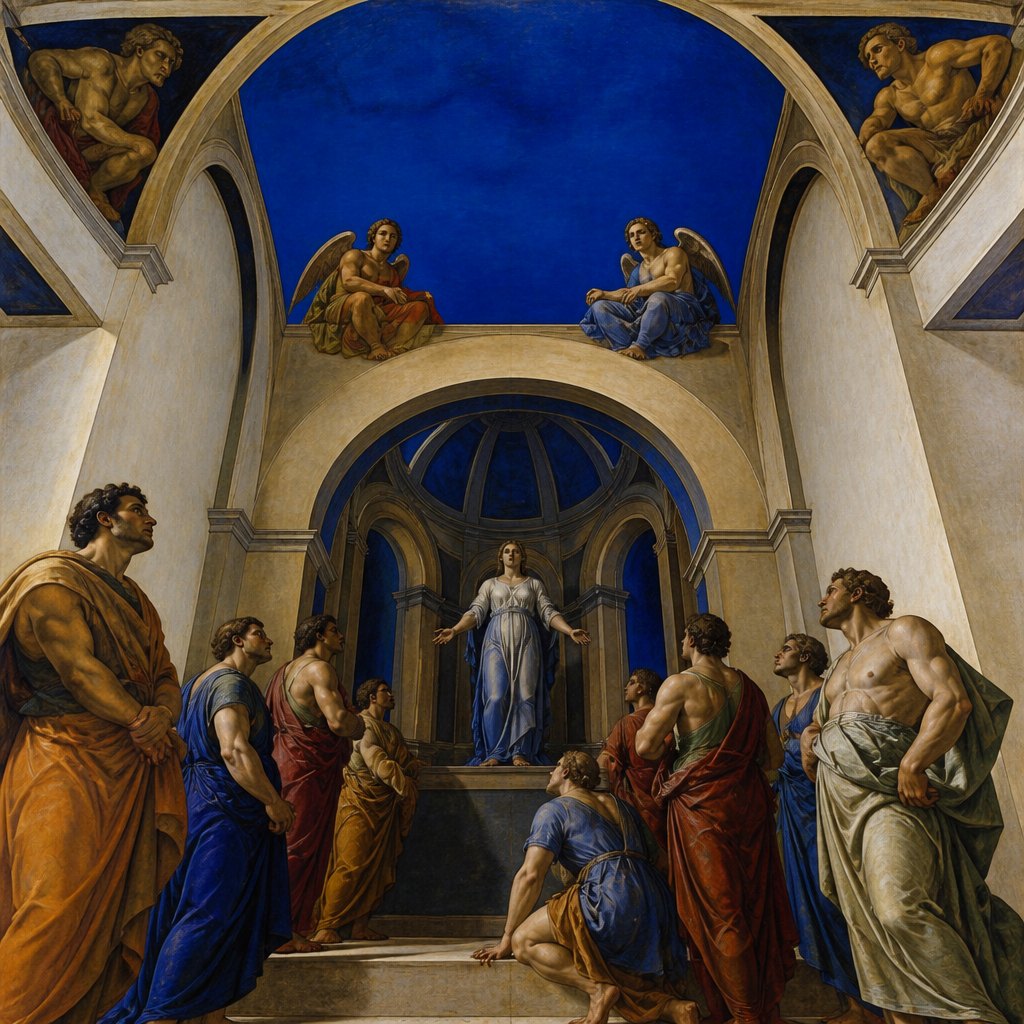 AI-generated
Work en plein air
Paint in the light of Padua
This example was generated from a prompt like: “A chapel interior with deep ultramarine sky, solid weighted figures in simple drapery, and steep foreshortened architecture viewed from below, rendered with hard-edged, antiquity-inspired precision typical of early Renaissance fresco.”
Open the Padua Art Style generator →The place today
The Scrovegni Chapel remains Padua's central attraction, its frescoes protected by a climate-controlled entry system and viewable only in timed groups. The Musei Civici agli Eremitani, next to the chapel, holds detached fresco fragments and Paduan Renaissance panels. The Basilica del Santo still displays Donatello's altar reliefs and stands beside the Gattamelata monument in its original piazza. Padua's university, one of Europe's oldest continuously operating, remains active, and the city's botanical garden, founded in 1545, is a UNESCO-listed site tied to the same Renaissance scholarly culture.
Compose your own
Give figures real physical weight and simple, blocky drapery rather than decorative Byzantine flatness; Giotto's bodies read as solid mass first, emotion second. For a Mantegnesque effect, push perspective aggressively, placing the viewer beneath foreshortened architecture or figures rather than facing them straight on. Study drapery and armor as if copied from an actual Roman relief, angular and slightly hard-edged rather than softly draped. Keep color saturated and a little cool, dominated by ultramarine skies and stone grays rather than warm Tuscan tones. In sculpture, aim for the same archaeological precision, muscles and proportion studied from antique casts rather than living models, giving Paduan work its distinctive antiquarian rigor.
Frequently asked questions
Why is the Scrovegni Chapel considered a turning point in art history?
Giotto's 1303-05 fresco cycle replaced flat Byzantine convention with solid, weighted figures showing legible emotion, a shift many historians treat as an early foundation of Renaissance painting.
What is the Paduan school of painting?
A style centered on Francesco Squarcione's workshop and Andrea Mantegna, marked by hard-edged drawing, steep perspective, and figures studied from antique Roman sculpture rather than living models.
Why did Donatello work in Padua?
He was commissioned in 1443 to create a bronze equestrian monument to the condottiere Gattamelata and altar reliefs for the Basilica del Santo, bringing Florentine bronze casting technique to the Veneto.
Did all of Mantegna's Padua frescoes survive?
No. His Ovetari Chapel frescoes, painted around 1448-57, were largely destroyed by Allied bombing in 1944; surviving fragments and earlier photographs preserve much of the composition.