 Art
Art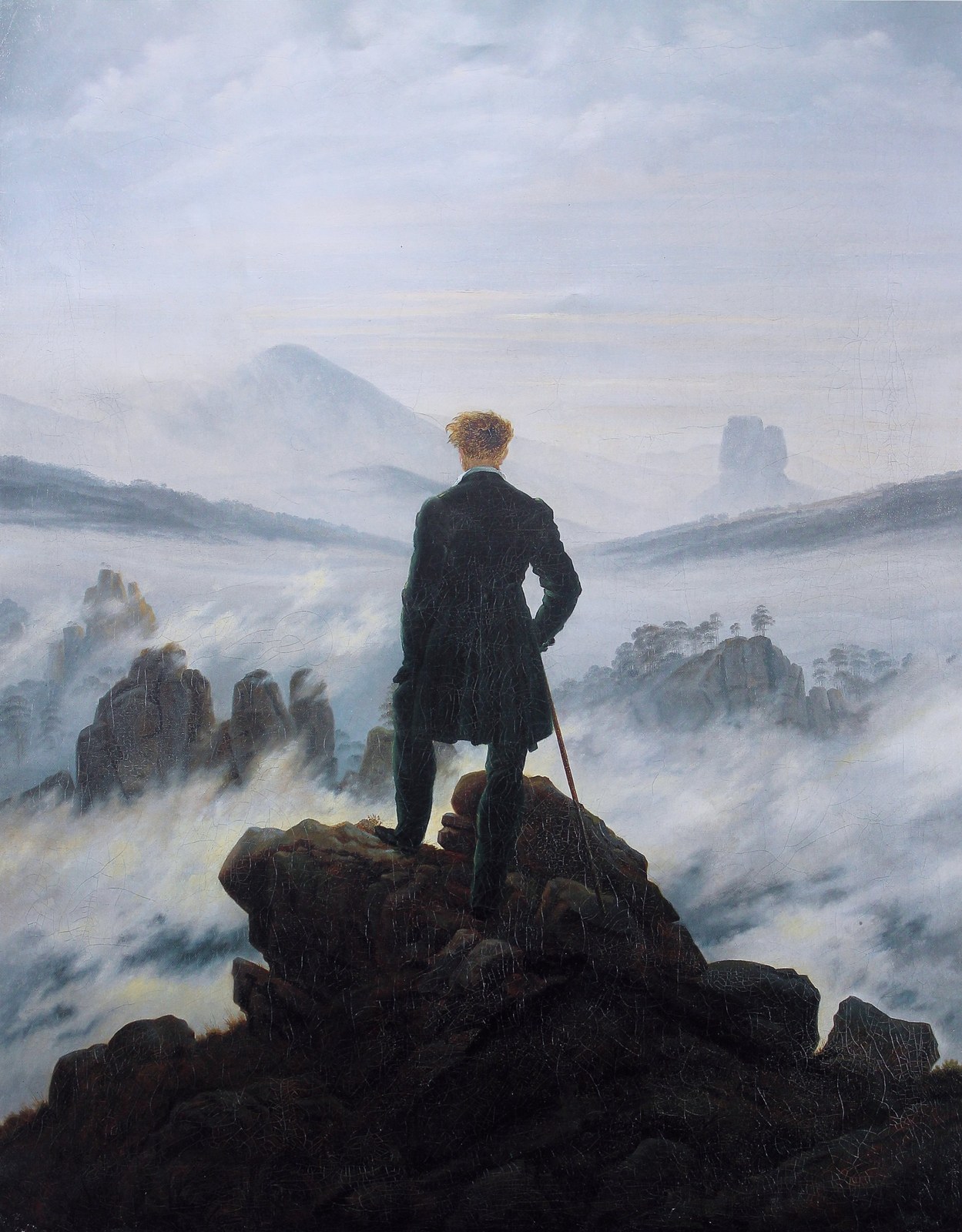
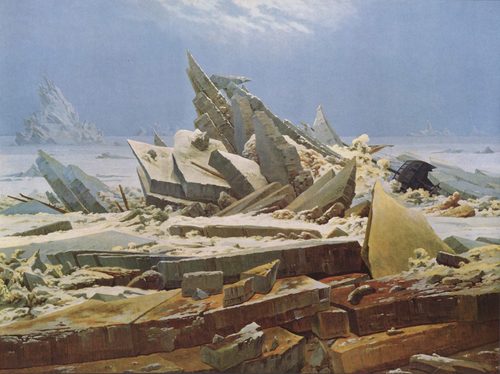
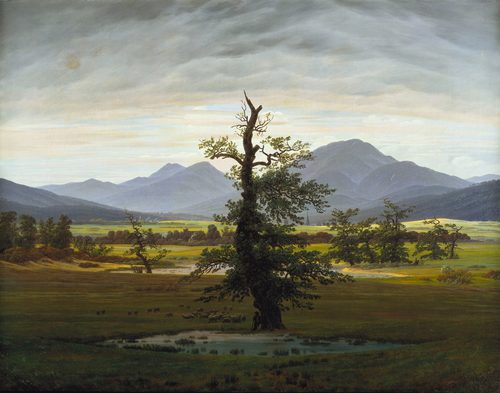
Dresden is the Saxon capital where Romantic landscape painting and the first German Expressionist group both took shape, a century apart, in the same baroque river city. Caspar David Friedrich settled in Dresden in 1798 and spent most of his career there, joining the Academy and developing solitary figures who face vast, fog-shrouded landscapes, often drawn from the sandstone cliffs of nearby Saxon Switzerland. The city, already known as "Florence on the Elbe" for August the Strong's old-master and porcelain collections, gave Friedrich's sublime an unusually grand backdrop. In 1905 four architecture students, including Ernst Ludwig Kirchner, founded Die Brücke in Dresden, reviving bold, simplified woodcut printmaking and holding communal nude studies at the nearby Moritzburg lakes before relocating to Berlin in 1911. The February 1945 firebombing destroyed most of the historic baroque core Friedrich had painted; postwar and post-reunification rebuilding, finished with the Frauenkirche's 2005 reconstruction, restored much of that skyline.
What marks the region
The solitary sublime
A single small figure set against an overwhelming landscape lets the viewer contemplate nature's scale alongside the painted subject.
Fog and atmospheric light
Mist obscuring the horizon creates spiritual uncertainty and softens hard edges between land, water, and sky.
Baroque court backdrop
Domes, palaces, and old-master collections assembled under August the Strong gave Dresden's art scene an unusually grand civic setting.
Communal Expressionist practice
Die Brücke's founders shared a studio and sketched live models together at nearby lakes, working as a collective rather than in isolation.
Revived woodcut technique
Bold, simplified black-line woodcuts, an older German medium, were reclaimed for raw modern subject matter.
Nudes in natural settings
Painting the body outdoors, away from the studio and academic convention, became a deliberate statement of freedom.
Local signatures
How to spot Dresden art
- Rückenfigur, the back-turned wanderer
- → Friedrich's device for making the viewer contemplate the sublime alongside a painted figure
- Fog over mountains or sea
- → Romanticism's uncertain, spiritual relationship to vast nature
- Sandstone cliff towers
- → the Saxon Switzerland formations that supplied Friedrich's literal Romantic backdrop
- Bold black woodcut line
- → Die Brücke's reclaimed medieval German medium, roughened for modern urgency
- Lakeside nude figures
- → Die Brücke's communal Moritzburg outings, painted as a statement against academic convention
- Baroque dome skyline
- → the 'Florence on the Elbe' cityscape framing both eras of Dresden art
The story
Caspar David Friedrich settled in Dresden in 1798, joined the Academy, and through the 1810s and 1820s developed the solitary sublime landscapes, often a lone figure facing fog, mountains, or sea, that defined German Romanticism. The city already carried a reputation as "Florence on the Elbe," built on August the Strong's old-master paintings and Meissen porcelain collections. A century later, in 1905, four architecture students, Ernst Ludwig Kirchner among them, founded Die Brücke in a former Dresden butcher shop, reviving raw woodcut printmaking and holding communal nude studies at the Moritzburg lakes outside the city. The group pushed toward saturated Expressionist color before relocating to Berlin in 1911, seeking a bigger audience. World War II's February 1945 firebombing destroyed most of the historic baroque core that both Friedrich and generations of Dresden painters had known. Postwar and post-reunification rebuilding, completed with the Frauenkirche's 2005 reconstruction, restored much of that lost skyline.
Masterpieces of the place
| Work | Artist | Date | Why it matters |
|---|---|---|---|
| Wanderer above the Sea of Fog | Caspar David Friedrich | c. 1818 | The defining image of Dresden-era Romantic sublime, though the painting itself now hangs in Hamburg. |
| Two Men Contemplating the Moon | Caspar David Friedrich | 1819-20 | Painted in Dresden; two Rückenfiguren face a moonlit landscape together. |
| Bathers at Moritzburg | Ernst Ludwig Kirchner | 1909 | A communal nude scene from Die Brücke's outings at the lakes near Dresden. |
| Marzella | Ernst Ludwig Kirchner | 1909-10 | An early Brücke figure painting showing the group's raw, woodcut-influenced line. |
| Dresden from the Right Bank of the Elbe below the Augustus Bridge | Bernardo Bellotto | c. 1748 | A meticulous baroque cityscape documenting the skyline later destroyed in 1945. |
 AI-generated
Work en plein air
Paint in the light of Dresden
This example was generated from a prompt like: “A vast fog-filled valley seen from a rocky outcrop, distant sandstone cliff towers rising through the mist, muted cold blues and grays, soft atmospheric haze layering the scene, small pine trees for scale, an immense sublime landscape rendered with quiet solitude.”
Open the Dresden Romantic Art Style generator →The place today
The Albertinum and the Gemäldegalerie Neue Meister hold major Romantic and Brücke-era works, while the Zwinger and the rebuilt Frauenkirche anchor Dresden's restored baroque core. Saxon Switzerland's sandstone cliffs, a short trip outside the city, remain a popular hiking destination, drawing visitors to stand at roughly the same viewpoints Friedrich painted from two centuries ago. Dresden holds significant Brücke founding-era material, though Berlin's Brücke-Museum has the largest collection of the group's work.
Compose your own
Place a small solitary figure with their back to the viewer before an oversized, atmospheric landscape. Let fog or haze obscure the horizon so the scale of the scene stays uncertain. Favor muted grays, greens, and cold blues over bright, saturated color. For a rougher, more modern approach, carve bold, simplified black lines instead of aiming for a painted, blended look. Work outdoors in a small group, sketching quickly from live models in natural settings rather than a formal studio. Keep compositions asymmetric and slightly unresolved instead of perfectly balanced around a single focal point.
Frequently asked questions
Why is Dresden linked to both Friedrich and Die Brücke?
Both happened in the same city a century apart. Friedrich developed Romantic landscape painting there from 1798, and Die Brücke's founders, four architecture students including Kirchner, formed the first German Expressionist group there in 1905.
What is a Rückenfigur?
A figure shown from behind, facing into the landscape alongside the viewer. Friedrich used this device repeatedly so viewers contemplate the sublime scene with the painted figure rather than simply looking at them.
What did Die Brücke mean by their name?
'Bridge,' signaling their aim to connect older German art, especially medieval woodcut, with a radical new future. They revived rough, direct woodcut printmaking as part of that link.
How much of historic Dresden survived World War II?
Very little. The February 1945 firebombing destroyed most of the baroque center. Landmarks like the Frauenkirche were rebuilt only after German reunification, with the church's reconstruction finished in 2005.