 Art
Art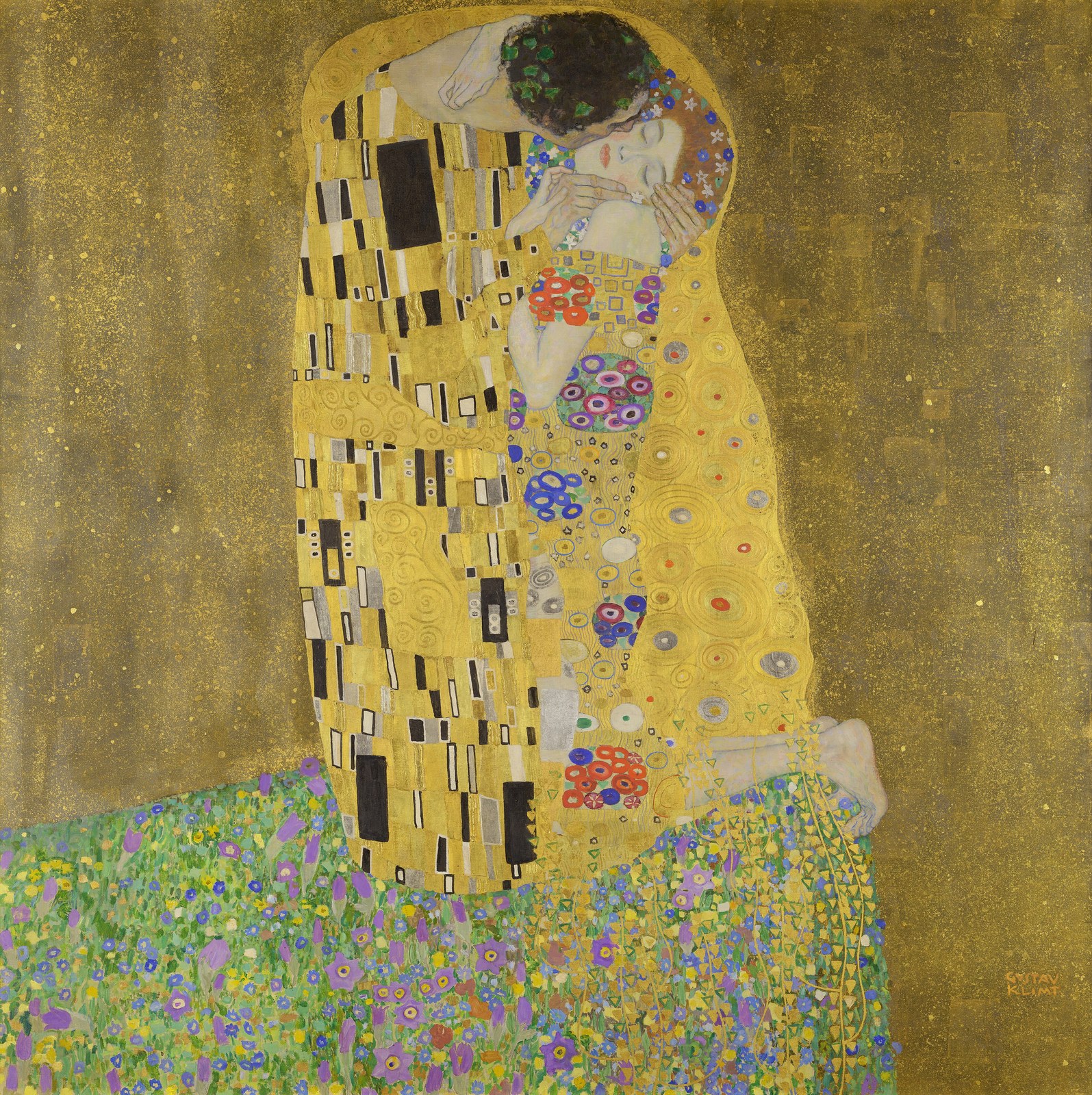
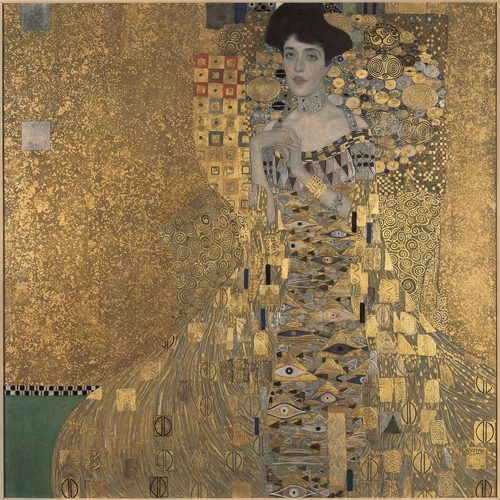
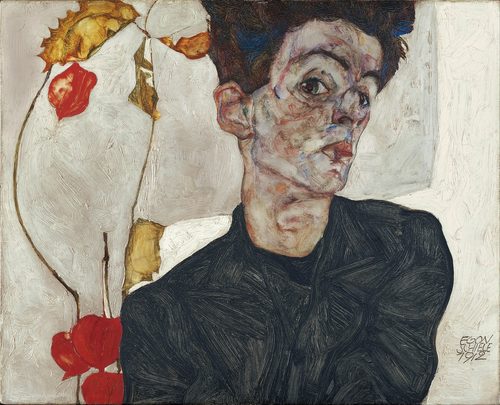
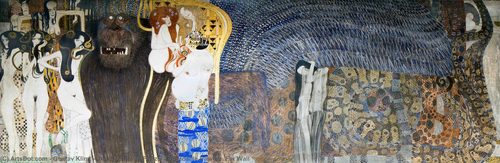
Vienna is the Habsburg imperial capital where a breakaway group of artists fused painting, architecture, and craft into a single gilded modern style at the turn of the twentieth century. In 1897 Gustav Klimt and a circle of colleagues split from the conservative Künstlerhaus to form the Vienna Secession, building their own exhibition hall the following year under the motto "To every age its art, to art its freedom." Klimt's so-called Golden Phase, drawing on Byzantine mosaic he had studied on a trip to Ravenna, fused gold leaf with Symbolist female figures and portraits of the city's Jewish industrialist patrons. In 1903 Josef Hoffmann and Koloman Moser founded the Wiener Werkstätte to extend the same aesthetic into furniture, jewelry, and graphic design. A younger generation, led by Egon Schiele and Oskar Kokoschka, pushed past ornament into rawer, more psychologically exposed Expressionism before the First World War and the deaths of both Klimt and Schiele in 1918 closed the era.
What marks the region
Gold leaf and ornament
Metallic gold leaf applied directly against painted skin fused decorative surface with the human figure, drawing on Byzantine mosaic sources.
Unified design ambition
Painters, architects, and craftspeople worked toward a single total artwork, carrying one aesthetic across buildings, furniture, and jewelry alike.
Symbolist female figures
Allegorical women, often standing for love, death, or knowledge, recur across Secession painting as vehicles for larger ideas.
Raw psychological line
A younger generation replaced ornament with nervous, exposed contour drawing of the human body, prioritizing anxiety over decoration.
Applied-arts crossover
The same decorative vocabulary moved fluidly between fine-art painting and furniture, textiles, and graphic design through the Wiener Werkstätte.
Independent exhibition pavilions
A purpose-built exhibition hall let Secession artists show modern and international work outside the conservative official academy system.
Local signatures
How to spot Vienna art
- Gold-leaf ground
- → Byzantine mosaic-derived wealth and eroticism fused directly with painted flesh
- Spiral and eye ornament
- → Klimt's decorative vocabulary standing in for pattern-as-content rather than mere background
- The golden dome finial
- → the Secession building's laurel-leaf cupola, the movement's own emblem
- Angular contorted limbs
- → Schiele's exposed, anxious treatment of the body as psychological subject
- Stylized garden and sunflower motifs
- → Klimt's decorative landscape mode, pattern applied to nature itself
- Black-and-white geometric grid
- → the Wiener Werkstätte's design signature, extending Secession pattern into applied craft
The story
Gustav Klimt led a group of artists out of the conservative Künstlerhaus in 1897 to found the Vienna Secession, and the following year the architect Joseph Maria Olbrich completed their exhibition hall, its motto declaring freedom for modern art. Early exhibitions imported international modern work, including Rodin and van Gogh, into a city otherwise dominated by historicist taste. Klimt's Golden Phase through the 1900s fused gold leaf with portraits of patrons like Adele Bloch-Bauer and allegorical female subjects, while his rejected university ceiling commissions showed how far he had moved from academic expectation. Josef Hoffmann and Koloman Moser founded the Wiener Werkstätte in 1903, extending the aesthetic into craft. Klimt's own faction split from the Secession in 1905. A younger generation, especially Egon Schiele, mentored briefly by Klimt, pushed toward a rawer, more anguished Expressionism by the 1910s. Both Klimt and Schiele died in 1918, closing the era.
Masterpieces of the place
| Work | Artist | Date | Why it matters |
|---|---|---|---|
| The Kiss | Gustav Klimt | 1907-08 | Gold-leaf embrace at the peak of Klimt's Golden Phase, now the Secession's best-known image. |
| Beethoven Frieze | Gustav Klimt | 1902 | A mural cycle made for a Secession exhibition honoring Beethoven, still installed in the building's basement. |
| Portrait of Adele Bloch-Bauer I | Gustav Klimt | 1907 | A gold-ground portrait of a leading patron, later the subject of a major restitution case. |
| Self-Portrait with Physalis | Egon Schiele | 1912 | Raw, angular self-exposure typical of Schiele's break from Klimt's decorative mode. |
| Secession Building | Joseph Maria Olbrich | 1898 | The group's exhibition hall, its gilded dome still the movement's visual emblem. |
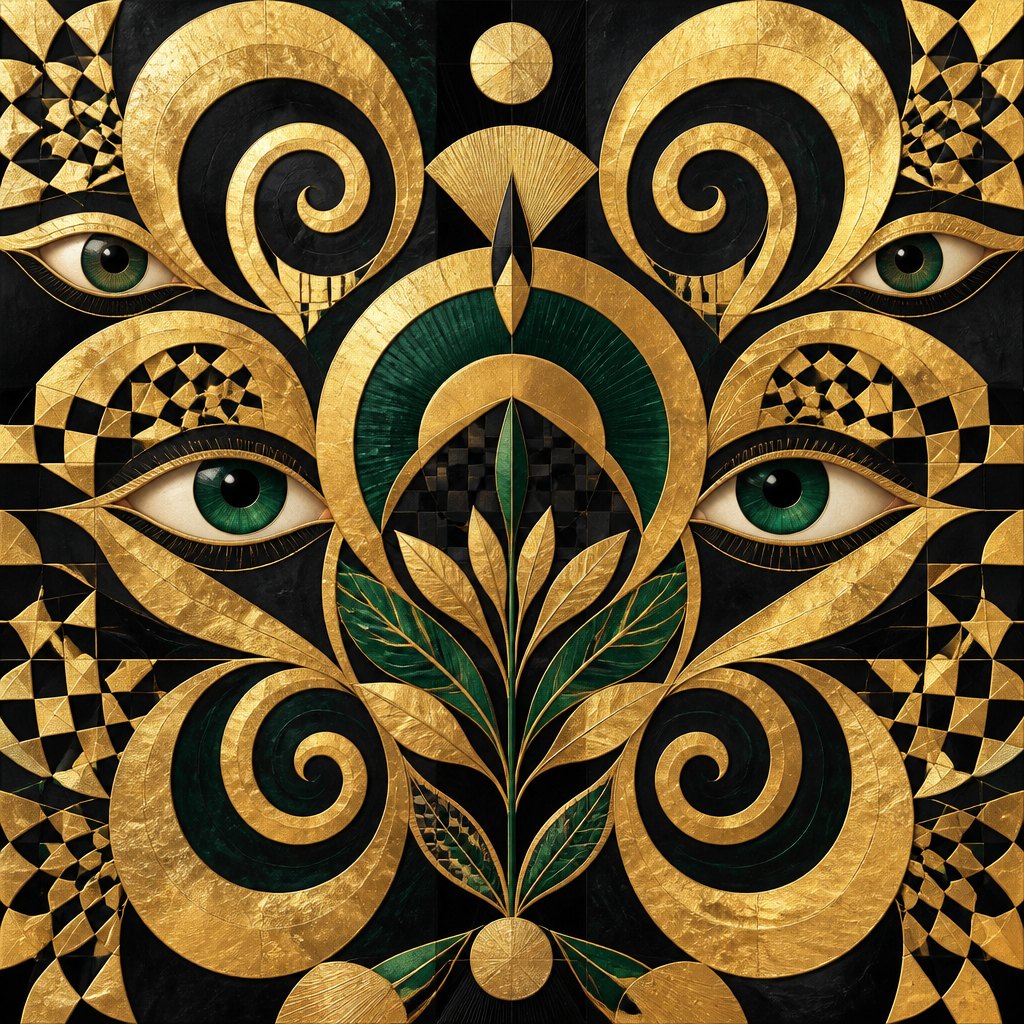 AI-generated
Work en plein air
Paint in the light of Vienna
This example was generated from a prompt like: “An ornamental decorative panel built from interlocking gold leaf and spiraling geometric patterns, checkerboard and stylized eye motifs spread across a flat surface, elegant symmetrical composition, rich gold and black tones with one deep emerald accent color.”
Open the Vienna Secession Art Style generator →The place today
The Belvedere holds "The Kiss" and much of Klimt's later work, while the Leopold Museum centers Schiele's drawings and paintings. The Secession building still shows contemporary art beneath its golden dome, and Klimt's Beethoven Frieze remains on view in the basement he painted it for. The MAK covers Wiener Werkstätte design, rounding out a city where fine art and applied craft were always meant to be seen together.
Compose your own
Flatten the picture plane and let ornament compete with the figure for the viewer's attention rather than receding behind it. Apply gold or metallic leaf directly against painted skin tones instead of using it only for backgrounds. Treat pattern, whether spirals, checkerboards, or eye motifs, as content in its own right, not decoration around a subject. Draw the body with nervous, continuous contour lines that expose tension rather than flatter proportion. Extend a single design across a painting, its frame, and any accompanying textile or furniture. Keep the palette rich but controlled: gold, black, and one saturated accent color.
Frequently asked questions
What was the Vienna Secession rebelling against?
The Künstlerhaus, Vienna's official exhibition society, which favored historicist and academic painting; the Secessionists wanted an outlet for modern, international, and applied art the Künstlerhaus wouldn't show.
Why is Klimt's work so gold?
He trained in decorative and mosaic-influenced painting and drew on Byzantine gold-ground imagery seen on a 1903 trip to Ravenna, fusing it with Symbolist subject matter during his 1907-1908 Golden Phase.
How does Schiele relate to Klimt?
Schiele was younger and briefly mentored by Klimt within the wider Secession circle, but his raw, angular figures and darker psychological tone mark a harder turn toward Expressionism than Klimt ever made.
What was the Wiener Werkstätte?
A design and crafts workshop founded in 1903 by Josef Hoffmann and Koloman Moser, extending the Secession's unified aesthetic into furniture, jewelry, textiles, and graphic design.