 Art
Art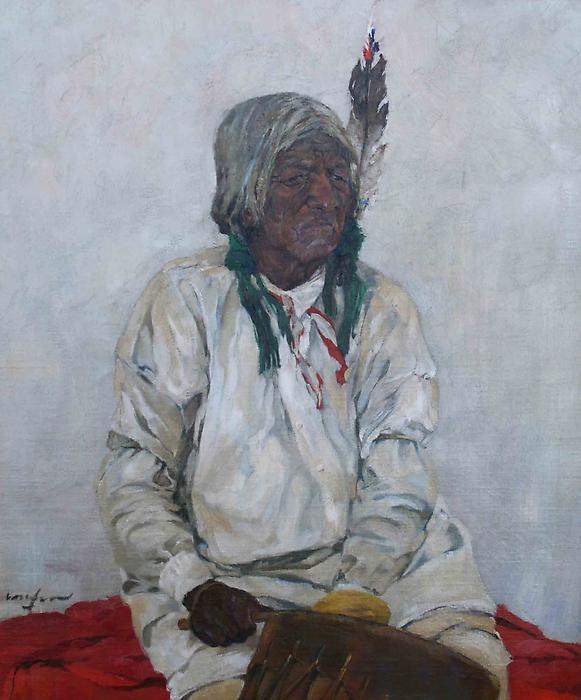
Southwest art is the painting and photography tradition of the high-desert region spanning New Mexico, Arizona, and their borders, defined less by a single style than by a shared subject: thin, extremely clear high-altitude light acting on red rock, adobe architecture, and Pueblo and Hispano culture. The region's modern art history starts around 1898, when two traveling illustrators, stranded by a broken wagon wheel outside Taos, New Mexico, found a light and landscape unlike anything in the eastern academies and stayed. Within two decades the Taos Society of Artists had formalized a colony painting Pueblo life, adobe villages, and the Sangre de Cristo range with an accuracy bordering on ethnography. Santa Fe developed alongside it as a smaller, more bohemian colony. Georgia O'Keeffe's arrival in the 1930s pulled the region toward modernism, abstracting the same desert forms — bleached bone, adobe wall, mesa edge — that the Taos realists had painted representationally a generation earlier, and her Ghost Ranch and Abiquiu homes remain the region's best-known art pilgrimage sites.
What marks the region
Thin, high-altitude light
At 6,000-7,000 feet, clearer air sharpens contrast and saturates color, a documented physical effect painters credit for the region's crisp look.
Adobe and pueblo architecture
Flat-roofed, mud-plastered buildings with rounded edges and exposed vigas recur as both subject and formal inspiration for softened, sculptural shapes.
Red and ochre rock formations
Mesas, canyons, and eroded badlands supply a warm mineral palette that dominates even interior and still-life work from the region.
Pueblo and Hispano genre subjects
Early 20th-century colony painters focused heavily on Native and Hispano daily life, ceremony, and dress, a documentary impulse later criticized as outsider ethnography.
Bone and desert still life
Bleached animal skulls and desiccated plant forms became a modernist regional motif, abstracted from the desert's own found objects.
Devotional folk carving
Santos and retablos — painted or carved saints made for home altars and mission churches — form a separate, centuries-older regional tradition outside the fine-art colonies.
Local signatures
How to spot The American Southwest art
- Adobe wall in raking light
- → The region's signature texture study — sun-warmed mud plaster reads as both architecture and abstract color field.
- Bleached animal skull
- → A modernist shorthand for the desert's cycle of life and death, popularized by 1930s-40s painting rather than any older regional tradition.
- Flat mesa silhouette
- → Stands for deep geological time and the region's resistance to easy settlement or farming.
- Turquoise and silver jewelry
- → Marks a sitter as specifically Southwestern, tied to Navajo and Pueblo silversmithing traditions collectors sought out.
- Santo or retablo figure
- → A carved or painted saint signals the region's separate, older Hispano Catholic folk-art tradition, distinct from the Anglo art colonies.
- Piñon and juniper scrub
- → Low, twisted high-desert trees mark the specific mid-elevation zone painters favored over open low desert.
The story
Spanish colonial New Mexico produced its own devotional art tradition first — santos, carved and painted saints for mission churches, made by folk artists called santeros working outside any academy. American painting arrived later by comparison: in 1898, two traveling painters broke a wagon wheel outside Taos and stayed, eventually founding the Taos Society of Artists in 1915 with four other members. The society marketed the region nationally through traveling exhibitions, building a market for Pueblo and Hispano genre scenes and Sangre de Cristo landscapes. Santa Fe grew a parallel, looser colony through the 1920s, drawing writers as much as painters. Georgia O'Keeffe's visits from 1929 onward, and her permanent move to Abiquiu in 1949, shifted the region's art identity from representational colony painting toward modernist abstraction of the same desert forms. Later 20th-century Native artists, including many trained at the Institute of American Indian Arts founded in Santa Fe in 1962, reclaimed the region's imagery from decades of outsider interpretation.
Masterpieces of the place
| Work | Artist | Date | Why it matters |
|---|---|---|---|
| Star Road and White Sun | Ernest Blumenschein | 1920 | A founding Taos Society member's stylized Pueblo landscape, blending near-abstract color with observed local ceremony. |
| Ranchos Church | Georgia O'Keeffe | 1930 | A New Mexico mission reduced to sculptural adobe mass, marking the region's turn from colony realism to modernist form. |
| Cow's Skull: Red, White, and Blue | Georgia O'Keeffe | 1931 | A bleached skull against a flat patriotic ground, the piece that fixed desert bone as a regional modernist symbol. |
| Untitled (Buffalo Dance) | Awa Tsireh | c. 1920s | A San Ildefonso Pueblo painter's flat, patterned style, made for a market the Anglo colony had opened but did not control. |
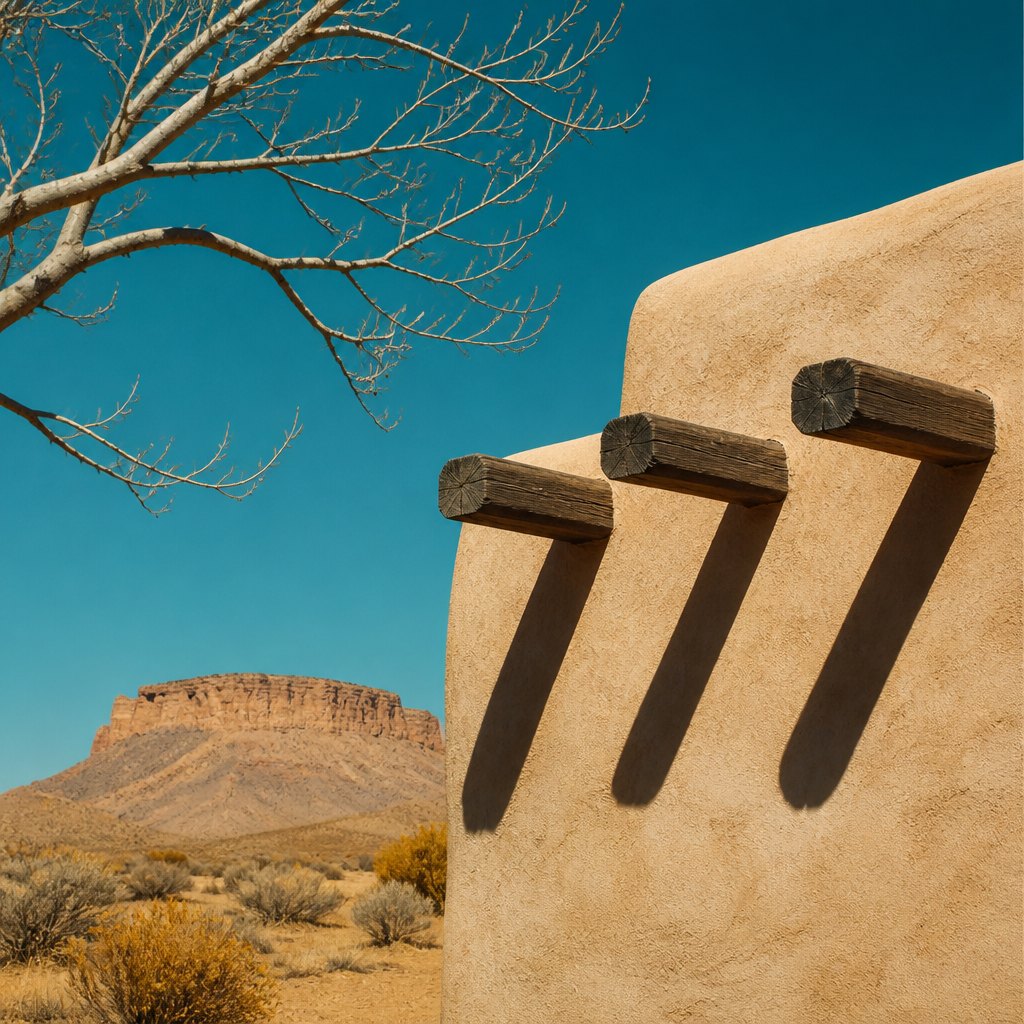 AI-generated
Work en plein air
Paint in the light of The American Southwest
This example was generated from a prompt like: “A sun-bleached adobe wall with deep raking shadow, weathered wooden beam ends, a bare cottonwood branch against a saturated turquoise sky, distant flat-topped mesa in dusty ochre, dry scrub in foreground, crisp high-desert light, minimal composition.”
Open the Romantic Landscape Art Style generator →The place today
Santa Fe now ranks among the largest art markets in the United States relative to its size, with Canyon Road's gallery row and the annual Indian Market drawing collectors nationally. Taos retains a working colony feel through the Harwood Museum and Taos Art Museum, while the Institute of American Indian Arts in Santa Fe has shifted the region's contemporary output toward Native-led work that pushes past the early colony's outsider gaze, mixing traditional materials with installation and photography.
Compose your own
Shoot or paint in early morning or late afternoon, when the region's thin, high-altitude air lets light rake across surfaces at a low angle instead of flattening them at midday. Choose a subject with strong geometric mass — an adobe wall, a mesa edge, a bleached bone — and let a single warm light source carve deep shadow into its form. Push saturation slightly past what feels natural; the actual desert light is more intense than most cameras or eyes expect. Keep the palette anchored in ochre, rust, and turquoise rather than green, and leave real negative space in the composition — open sky and empty ground are part of the subject, not a gap to fill.
Frequently asked questions
Why did painters settle in Taos specifically?
Two illustrators broke a wagon wheel there in 1898 and stayed for the light and landscape; word spread, and by 1915 six founding members had formalized the Taos Society of Artists.
What are santos and retablos?
Carved or painted images of saints made by Hispano folk artists called santeros for home altars and mission churches, a devotional tradition predating the Anglo art colonies by centuries.
How did Georgia O'Keeffe change the region's art?
Her visits from 1929 and permanent move to Abiquiu in 1949 shifted Southwest art from the colony's representational genre scenes toward modernist abstraction of the same desert forms.
Is Southwest art the same as Native American art?
No — it includes Native traditions but also Hispano folk art and Anglo colony painting. Contemporary Native artists, many trained through Santa Fe's Institute of American Indian Arts, now lead the region's most current work.