 Art
Art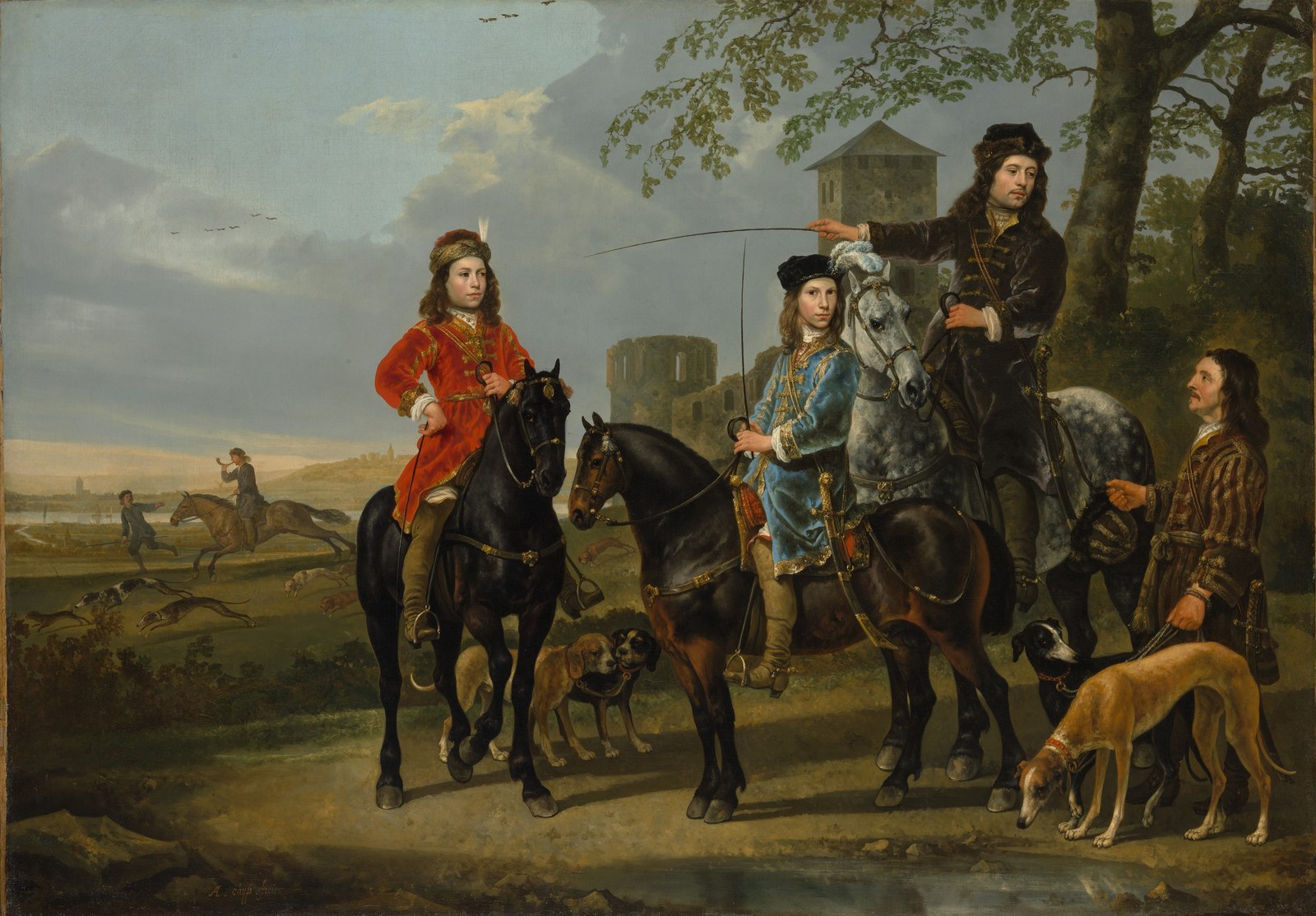
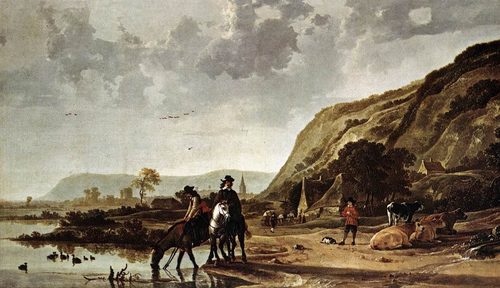
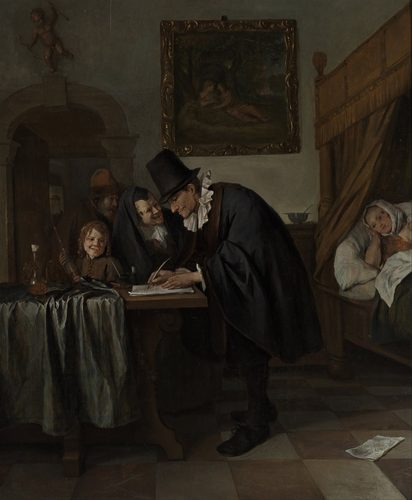
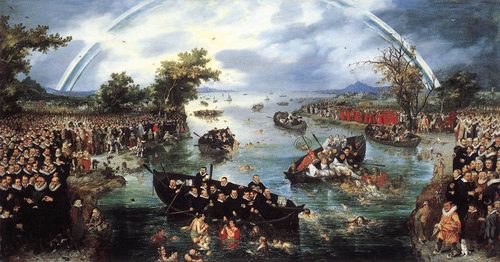
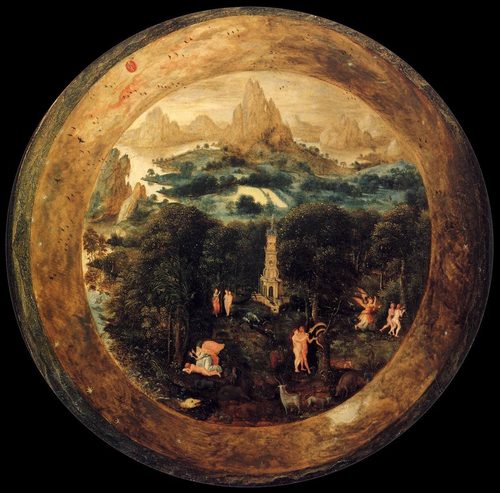
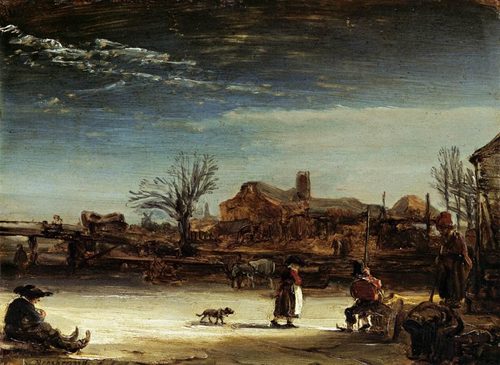
The Hague developed differently from Amsterdam, Delft, or Haarlem: it was never a chartered guild city but the seat of the States General and the court of the House of Orange-Nassau from the late 1500s, which shaped it into a center of collecting and court portraiture rather than a painters' guild town. Johan Maurits van Nassau built the townhouse now known as the Mauritshuis in 1633-1644, and in 1822 the Dutch state opened it as a royal picture gallery, gathering Golden Age masterworks, including Vermeer and Rembrandt, that had been painted elsewhere in the Republic. The Hague's own painting tradition emerged later and more locally: from the 1860s a group now called the Hague School, among them Jozef Israels, Jacob and Willem Maris, Anton Mauve, and Hendrik Willem Mesdag, painted the flat grey light of the nearby North Sea coast, Scheveningen's fishing beach, and inland polders in muted, tonal color close to French Barbizon painting. Their studios and the Pulchri Studio artists' society, founded in the 1840s, made The Hague, for the first time, a genuine production center rather than only a place where art was displayed.
What marks the region
Tonal grey palette
Hague School painters mixed color down toward silver-grey, avoiding bright local hues in favor of atmospheric unity across sky, sea, and sand.
Low horizon, wide sky
Landscapes push the horizon into the bottom third of the canvas, giving the flat Dutch sky room to dominate the composition.
Plein air sketches as finished work
Quick outdoor studies of beach and polder, once considered preparatory, were sold and exhibited as complete pictures in their own right.
Separate court portrait tradition
Golden Age painters attached to the stadholders' court produced formal state portraits, distinct from the informal domestic scenes painted in Delft or Leiden.
Panorama and cyclorama painting
Large-scale, 360-degree painted panoramas, most famously of the Scheveningen dunes, were built as immersive public spectacles rather than gallery pictures.
Collecting over guild production
Because The Hague lacked a strong local guild in the 1600s, its main Golden Age role was housing collections assembled by the court, not training painters.
Local signatures
How to spot The Hague art
- Flat-bottomed fishing boats on the beach
- → Scheveningen's bomschuiten hauled onto sand mark Hague School beach scenes.
- Grey, low sky over flat polder
- → A wide, overcast sky above a nearly featureless horizon signals the school's atmospheric, tonal approach to landscape.
- Sheep and shepherd on heath
- → A recurring peasant subject drawn from the sandy heathland inland from The Hague, echoing Barbizon rural scenes.
- Windmill silhouette
- → A distant windmill against a grey sky, a stock element locating a landscape in the flat Dutch countryside.
- Fisherwomen mending nets
- → Coastal labor scenes showing women at work on the beach, a favored Hague School subject for social observation.
- Formal court sash or ruff
- → Stiff collars and dynastic sashes mark Golden Age portraits made for the stadholder's court rather than for merchant patrons.
The story
The Hague became the seat of the States General and the stadholders of the House of Orange-Nassau in the late 1500s, though it was never granted full city rights until 1806, an unusual status for a place so politically central. Johan Maurits van Nassau built his townhouse, later called the Mauritshuis, in 1633-1644; the Dutch state opened it to the public as a royal painting gallery in 1822, assembling Golden Age works from across the Republic rather than commissioning local ones. The Hague's own school arrived far later: from the 1860s painters including Jozef Israels, Jacob, Willem, and Matthijs Maris, Anton Mauve, and Hendrik Willem Mesdag settled around the Scheveningen coast and formed what critics named the Hague School, working in grey, tonal color influenced by French Barbizon painting. The Pulchri Studio artists' society, active from the 1840s, and Mesdag's 1881 panorama of the Scheveningen dunes, still displayed in its original rotunda, anchored the movement until it gave way to more modern styles after 1900.
Masterpieces of the place
| Work | Artist | Date | Why it matters |
|---|---|---|---|
| Portrait of Frederick Henry, Prince of Orange | Gerard van Honthorst | c. 1631 | A formal court portrait made for the stadholder's household, typical of Golden Age Hague patronage. |
| Panorama Mesdag | Hendrik Willem Mesdag | 1881 | A 120-meter cyclorama of the Scheveningen dunes and beach, still displayed in its purpose-built rotunda. |
| Morning Ride on the Beach | Anton Mauve | 1876 | A tonal grey beach scene showing the Hague School's muted palette and everyday coastal subject. |
| Peasant Family at the Table | Jozef Israels | 1882 | A somber interior scene typical of the Hague School's sympathetic treatment of rural poverty. |
| View of Dordrecht | Jacob Maris | 1870s | A grey-skied river townscape representative of the school's atmospheric approach to Dutch waterways. |
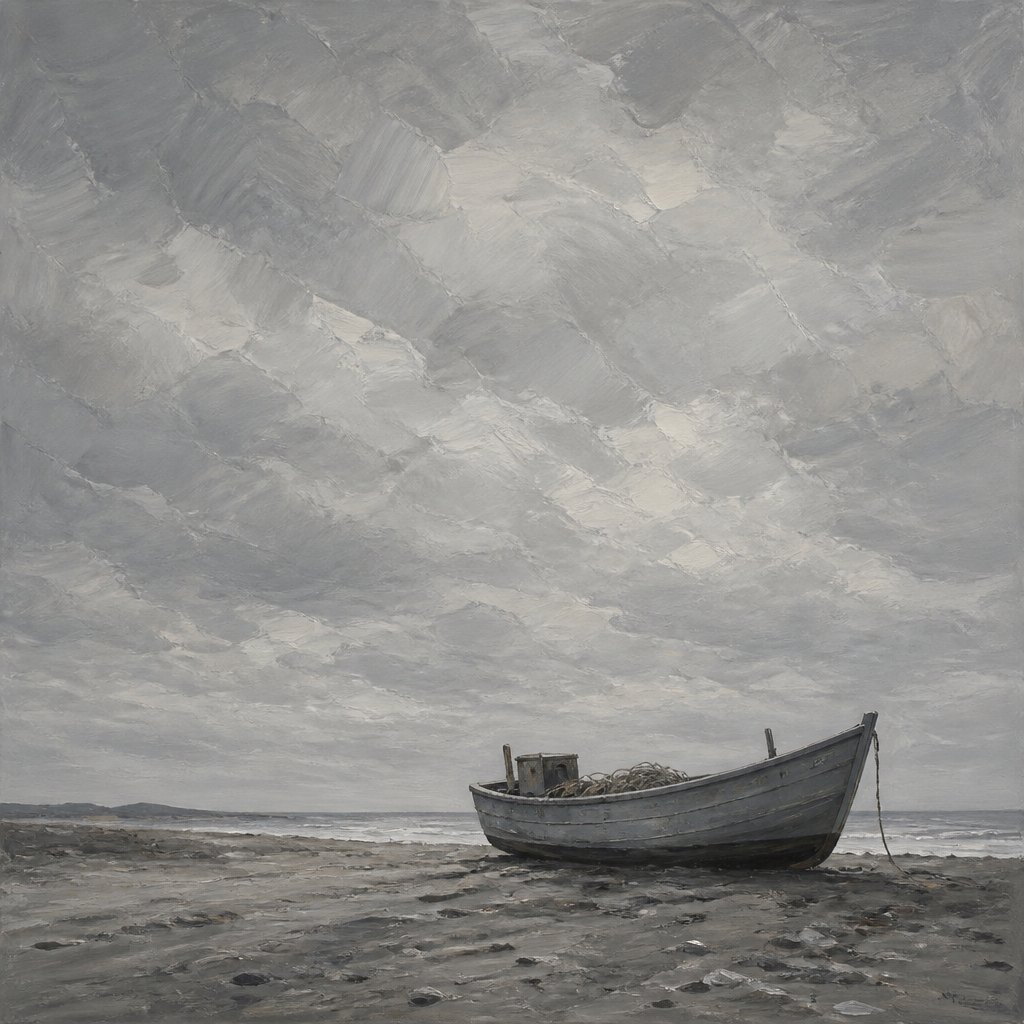 AI-generated
Work en plein air
Paint in the light of The Hague
This example was generated from a prompt like: “A flat-bottomed fishing boat pulled up on a grey beach beneath a wide, overcast sky, painted in muted silver-grey tones with broad, visible brushwork and a low horizon line.”
Open the The Hague Art Style generator →The place today
The Mauritshuis, reopened after renovation in 2014, holds Vermeer's View of Delft and Girl with a Pearl Earring alongside Rembrandt's Anatomy Lesson of Dr Nicolaes Tulp. The Panorama Mesdag remains on view in its original 1881 rotunda near Scheveningen. Kunstmuseum Den Haag holds the largest Hague School collection along with an extensive Mondrian holding. Scheveningen's beach and harbor still carry the fishing and coastal character the Hague School painted.
Compose your own
Push every color toward grey before committing to it, so sky, sea, and sand sit in the same muted tonal family rather than competing hues. Set the horizon low, well below the frame's center, and give the sky at least two-thirds of the composition. Choose an ordinary coastal or rural subject, fishing boats on sand, sheep on heath, a shepherd, rather than a dramatic event. Use broad, visible brushwork instead of fine blending, and let atmospheric haze soften distant forms. Keep the mood quiet and observational, closer to a weather report than a story.
Frequently asked questions
Is the Hague School the same as the Dutch Golden Age?
No. Golden Age painting spans the 1600s across cities like Delft, Leiden, and Amsterdam. The Hague School is a separate, later movement of grey-toned landscape painting active from about 1860 to 1900.
Why is so much Golden Age painting held in The Hague if it wasn't painted there?
The Mauritshuis was built as a private townhouse in the 1630s and opened as the national gallery in 1822, gathering major Golden Age works from across the Republic into one royal collection.
What subjects define Hague School painting?
Fishing boats on Scheveningen's beach, flat polder landscapes, sheep on heath, and scenes of rural or coastal labor, all rendered in a restrained grey-silver palette influenced by French Barbizon painting.
Can visitors still see a Hague School panorama today?
Yes. Hendrik Willem Mesdag's 1881 Panorama Mesdag, a 120-meter painted cyclorama of the Scheveningen dunes, remains on public display in its original rotunda near the beach it depicts.