 Art
Art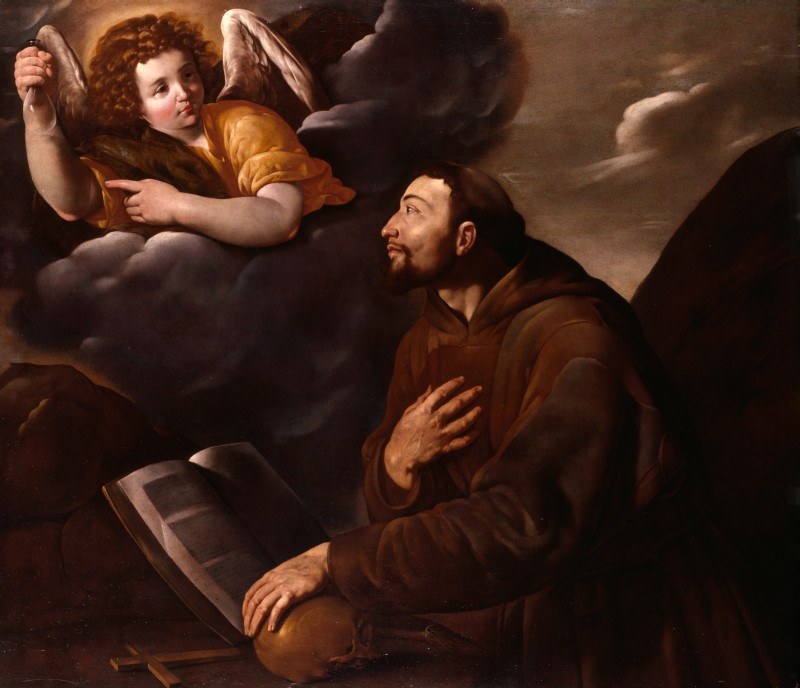
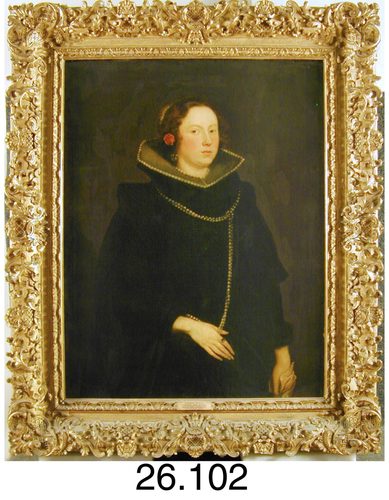
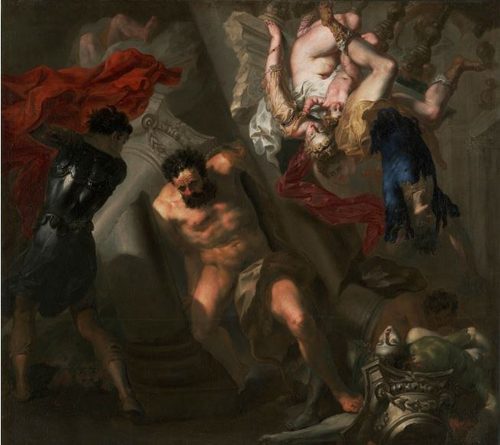
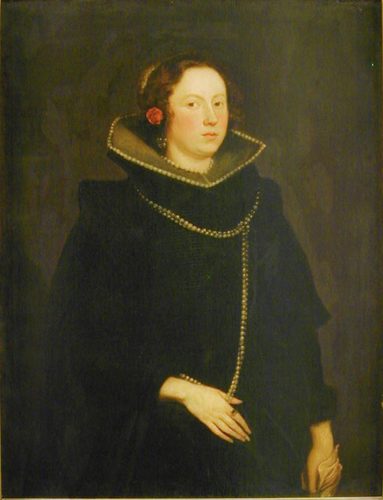
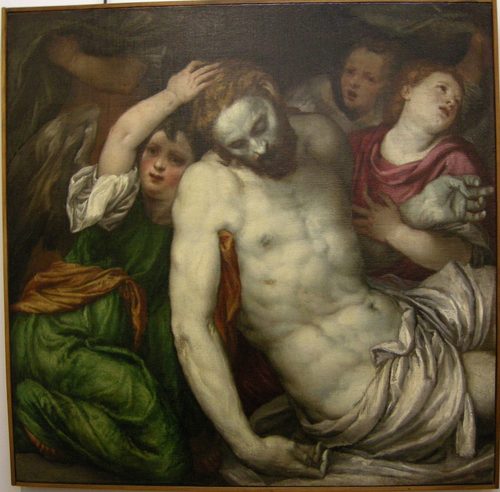
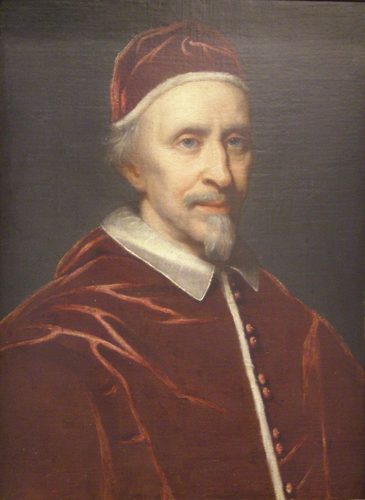
Genoa became a major Baroque art center in the late 1500s and 1600s on the strength of banking rather than manufacturing, its noble families having grown rich financing the Spanish crown. That wealth built the Strada Nuova, a street of grand palaces designed from the 1550s by Galeazzo Alessi, whose interiors demanded painted decoration on a scale the city's earlier Ligurian tradition had never attempted. Peter Paul Rubens visited around 1600-1608, painting portraits of Genoese aristocrats and later publishing measured drawings of the city's palace architecture; Anthony van Dyck settled in Genoa from 1621 to 1627, establishing a grand, full-length aristocratic portrait format the local nobility wanted repeated for a generation. A homegrown school followed, Bernardo Strozzi, then Valerio Castello, Domenico Piola, and Gregorio de Ferrari, who covered palace ceilings with fast, loosely brushed mythological scenes, a lighter, more theatrical Baroque than Rome's. Patronage stayed private and domestic, matching a republic run by banking families rather than a single prince.
What marks the region
Palace ceiling fresco
Genoese Baroque painting is above all a ceiling art, spreading mythological or allegorical scenes across the vaulted rooms of Strada Nuova palaces rather than church walls.
Imported portrait format
Rubens and later Van Dyck introduced full-length, richly dressed aristocratic portraiture that local nobility kept commissioning from Genoese painters long after both had left.
Loose, fast brushwork
Later court painters like Valerio Castello and Gregorio de Ferrari worked with a rapid, sketch-like touch, favoring visual energy over the tight finish of earlier Italian schools.
Collaborative decoration teams
Palace interiors were typically split between a quadratura specialist painting illusionistic architecture and a figure painter adding mythological scenes within it.
Silk, satin, and pearl surfaces
Portraitists rendered fabric and jewelry in thick, dragged highlights, matching sitters who wanted their banking wealth made visibly, materially present.
Hillside palace integration
Painted ceilings often extend a room's real architecture into illusionistic further space, since Genoa's steep, narrow site left little room for large ground-floor expansion.
Local signatures
How to spot Genoa art
- Marble columns and swagged drapery
- → Painted architectural backdrops in aristocratic portraits, signaling palace ownership along the Strada Nuova.
- An attendant figure beside the sitter
- → A household attendant included in grand portraits to indicate the scale and status of a noble Genoese family.
- Heraldic family arms in ceiling frescoes
- → Coats of arms worked into mythological ceiling scenes, asserting which banking family commissioned and owned the room.
- Illusionistic painted architecture (quadratura)
- → Fictive columns, balustrades, and open sky extending a real ceiling into false further space.
- Loosely brushed, glowing flesh tones
- → A rapid, warm touch distinguishing later Genoese figure painting from the tighter finish of Roman Baroque.
- Ropes, ships, and coastal motifs
- → Occasional maritime references reflecting Genoa's identity as a seafaring banking republic.
The story
Genoa's wealth in the 1500s and 1600s came chiefly from banking, its noble families financing the Spanish crown and other European powers. That capital funded the Strada Nuova, laid out from the 1550s to designs by Galeazzo Alessi, lined with palaces needing interior decoration on an unprecedented scale for the city. Peter Paul Rubens worked in Genoa intermittently between about 1600 and 1608, painting aristocratic portraits including the Marchesa Brigida Spinola Doria in 1606, and later published measured drawings of Genoese palaces as Palazzi di Genova in 1622. Anthony van Dyck settled in the city from 1621 to 1627, producing full-length and equestrian portraits that fixed local taste for grand aristocratic display. A native Baroque generation followed: Bernardo Strozzi worked in Genoa until relocating to Venice around 1630, and Valerio Castello, Domenico Piola, and Gregorio de Ferrari filled Strada Nuova ceilings with fast, colorful mythological frescoes through the second half of the 1600s. The Republic of Genoa's independence ended with annexation to the Kingdom of Sardinia in 1815.
Masterpieces of the place
| Work | Artist | Date | Why it matters |
|---|---|---|---|
| Portrait of Marchesa Brigida Spinola Doria | Peter Paul Rubens | 1606 | A full-length aristocratic portrait painted during Rubens's Genoese years, later fixing a format local painters kept repeating. |
| Equestrian Portrait of Marchesa Elena Grimaldi Cattaneo | Anthony van Dyck | c. 1623 | A grand mounted portrait from Van Dyck's Genoa residence, establishing the city's taste for theatrical aristocratic scale. |
| Palazzi di Genova | Peter Paul Rubens | 1622 | A published set of measured drawings recording Strada Nuova palace architecture, spreading Genoese design abroad. |
| The Cook | Bernardo Strozzi | c. 1625 | A robust genre scene by the leading Genoese-trained painter before his move to Venice. |
| Ceiling fresco, Palazzo Rosso | Domenico Piola and Gregorio de Ferrari | late 1600s | A mythological allegory in loose, glowing brushwork typical of Genoa's mature Baroque decoration. |
Work en plein air
Paint in the light of Genoa
This example was generated from a prompt like: “A richly dressed noble figure stands beside a marble column and swagged curtain, painted in loose, glowing brushwork, with a dynamic illusionistic ceiling fresco of mythological figures visible above.”
Open the Genoa Art Style generator →The place today
The Musei di Strada Nuova, spanning Palazzo Rosso, Palazzo Bianco, and Palazzo Tursi, preserve original Baroque ceiling frescoes alongside portraits by Van Dyck and other visiting painters. Genoa's Rolli palaces, a list of noble residences designated in 1576 to host state visitors, are recognized collectively as a UNESCO World Heritage site, and many keep their fresco decoration in situ rather than in museum storage. Palazzo Spinola and Palazzo Reale add further period interiors, giving Genoa one of Italy's most complete surviving records of aristocratic Baroque domestic decoration.
Compose your own
Think in terms of a whole room rather than a single canvas: plan a ceiling with illusionistic architecture, painted columns, balustrades, an opening sky, that appears to extend the real space upward. Fill that opening with a fast-moving mythological or allegorical scene in loose, visible brushwork rather than tight finish, favoring warm, glowing color over sharp outline. For a portrait, dress the sitter in silk, satin, or lace built up in thick, dragged highlights, and set them against a marble column or swagged curtain rather than a plain wall, with a household attendant included to signal domestic scale. Keep the mood theatrical and slightly loose rather than severe, since the decoration answers to a private palace interior, not a public church, so warmth and display outrank austerity.
Frequently asked questions
Why did Genoa become a Baroque art center?
Its noble families grew rich as bankers to the Spanish crown in the 1500s and 1600s, and that capital built the palace-lined Strada Nuova, which needed painted interiors on a new scale.
What did Rubens and Van Dyck do in Genoa?
Both painted portraits of Genoese aristocrats in the early 1600s, and Rubens later published measured drawings of the city's palaces, fixing a grand portrait and architectural taste local painters continued.
Who were the leading native Genoese Baroque painters?
Bernardo Strozzi, active until around 1630, followed by Valerio Castello, Domenico Piola, and Gregorio de Ferrari, who filled palace ceilings with loosely brushed mythological frescoes later in the 1600s.
What are the Palazzi dei Rolli?
A list of Genoese noble palaces designated from 1576 as suitable to host visiting dignitaries, many of them decorated with the frescoes and portraits now recognized as UNESCO World Heritage sites.