 Art
Art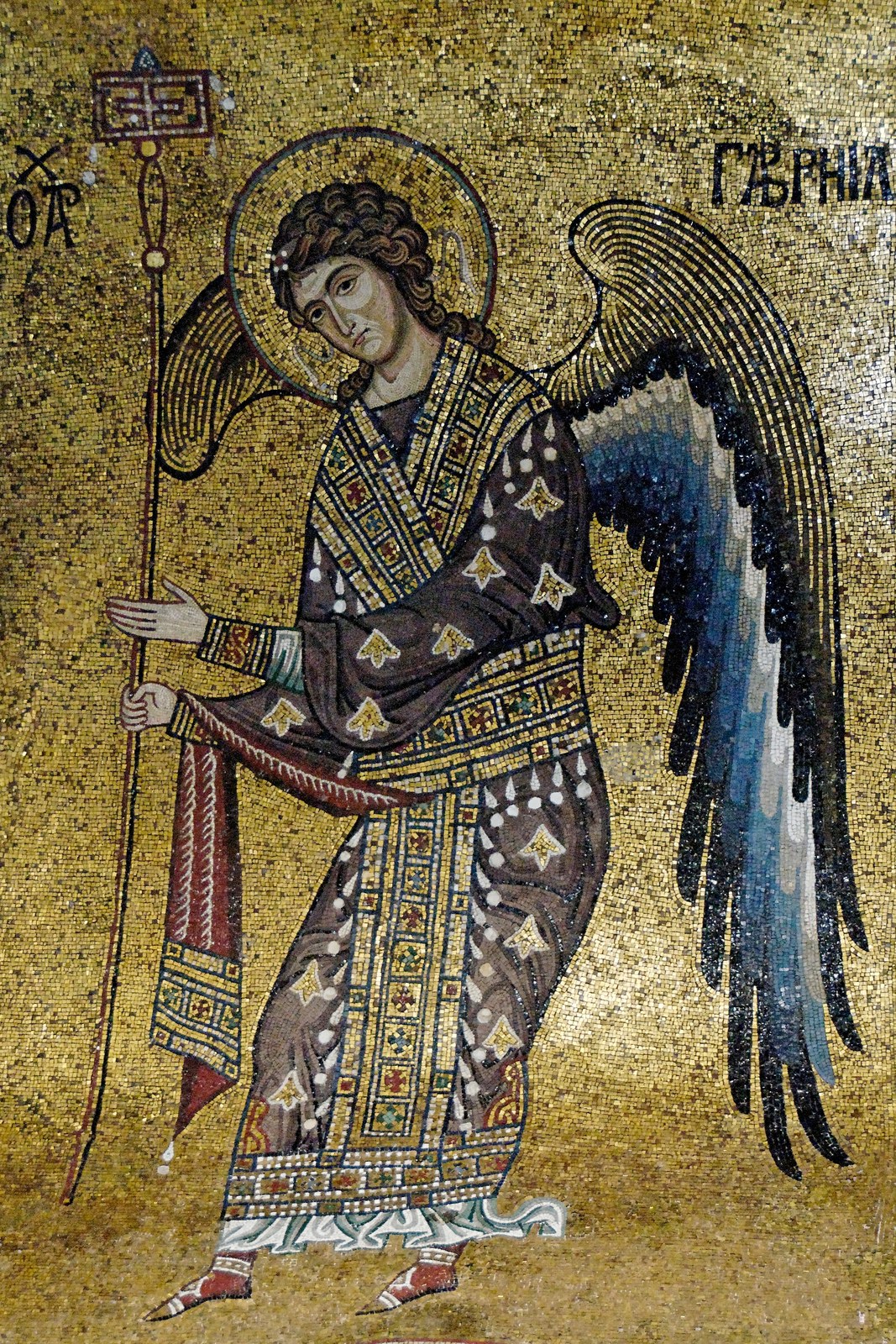
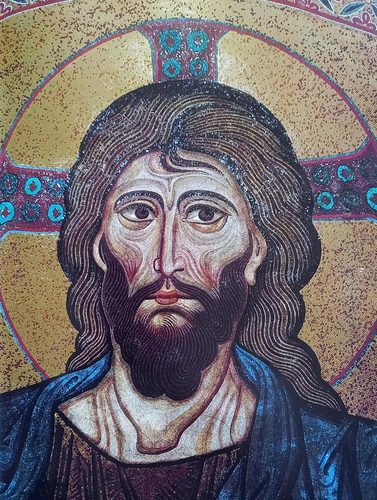
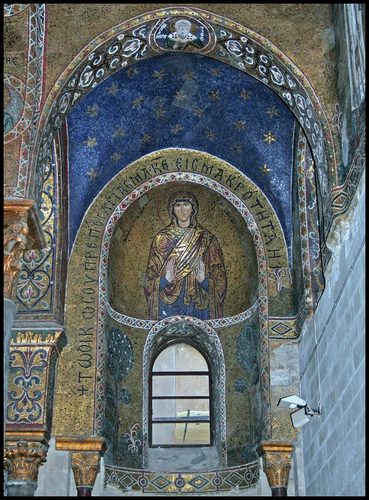
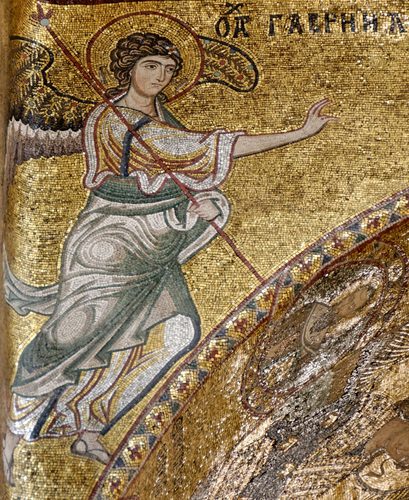
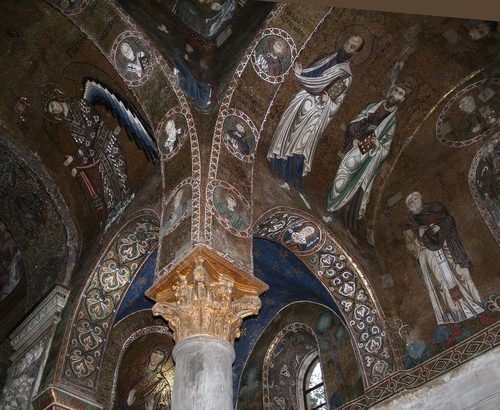
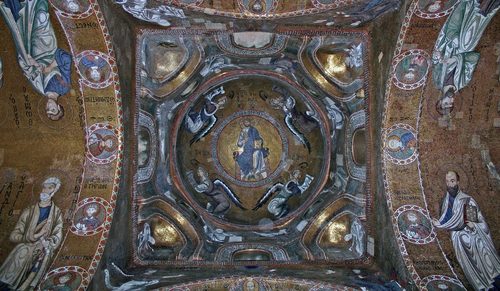
Palermo art spans two distinct golden ages five centuries apart, joined by a shared taste for dense, maximalist surface decoration. The first followed the Norman conquest of Sicily: King Roger II, crowned in 1130, ruled a multicultural court and hired Byzantine mosaicists, Arab craftsmen, and Latin builders to decorate his palace chapel and the island's cathedrals. The result, Norman-Arab-Byzantine art, fused gold-ground Byzantine mosaic figures with Islamic muqarnas ceilings and Latin church plans into a hybrid style found nowhere else. The second golden age arrived around 1700, when Sicilian Baroque sculptor Giacomo Serpotta covered the walls of Palermo's confraternity oratories in unpainted white stucco figures, treating plaster as expressively as marble. Both eras depended on ambitious patrons, first a royal court eager to rival Byzantium, later merchant confraternities competing over their meeting halls, and both left Palermo's interiors among the densest concentrations of decorative art in the Mediterranean.
What marks the region
Gold-ground mosaic figures
Byzantine-trained workshops set glass tesserae into gold backgrounds, angling individual pieces to catch candlelight so entire walls seem to glow from within rather than sit flat.
Muqarnas ceiling
The Cappella Palatina's carved and painted wooden honeycomb ceiling, built by Arab craftsmen, brought an Islamic architectural form directly into a Christian royal chapel.
Hybrid church plans
Norman-era buildings combine a Latin basilica layout, Byzantine apse mosaics, and Arab pointed and interlaced arches within a single structure, not as separate additions.
Unpainted white stucco
Giacomo Serpotta left his oratory figures unpainted, relying on the natural whiteness of stucco and sculpted relief to create drama through light and shadow alone.
Allegorical figure groups
Baroque oratories fill their walls with personified virtues and playful attendant figures arranged as if performing a theatrical scene for the congregation below.
Oratory as decorative canvas
Small private confraternity chapels, not the city's major public churches, became the main sites of Baroque sculptural ambition, funded by competing lay religious societies.
Local signatures
How to spot Palermo art
- Gold tesserae halo
- → Divine glory rendered through reflective gold-backed glass rather than paint, a Byzantine mosaic signature.
- Muqarnas honeycomb vault
- → An Islamic architectural form marking royal Norman patronage and the court's Arab craftsmen.
- Frontal, large-eyed apse figure
- → A solemn, dominant sacred figure filling the semi-dome, asserting authority over the space below.
- Striped voussoir arch
- → Alternating light and dark stone blocks in an arch, an Arab-Norman structural and decorative signature.
- Unpainted stucco drapery
- → Sculpted cloth in plain white plaster, a Serpotta-era Baroque device relying on relief rather than color.
- Attendant allegorical figure
- → A secondary sculpted figure personifying a virtue, framing the main devotional scene in Baroque oratories.
The story
Norman forces completed the conquest of Sicily from Arab and Byzantine rulers by 1091, and Roger II, crowned king in 1130, built a court known for tolerating and employing the island's Greek, Arab, and Latin populations together. His Cappella Palatina, begun in 1132, combined Byzantine mosaicists with Arab woodcarvers under one roof. Admiral George of Antioch founded the Martorana in 1143, and William II commissioned Monreale Cathedral's mosaic cycle between 1174 and 1189. This fusion style faded as Norman rule ended in the 1190s. Palermo's second peak arrived centuries later: sculptor Giacomo Serpotta, born in the city in 1656, developed his mature white stucco style in the 1680s-1710s, decorating the Oratorio di Santa Zita and the Oratorio del Rosario di San Domenico before his death in 1732, giving Baroque Palermo its own distinct decorative signature.
Masterpieces of the place
| Work | Artist | Date | Why it matters |
|---|---|---|---|
| Cappella Palatina mosaics | Unknown | 1132-1140s | Byzantine mosaicists working for Roger II covered the royal chapel in gold-ground scenes above an Arab muqarnas ceiling. |
| Christ Pantocrator, Monreale Cathedral | Unknown | 1180s | A colossal apse mosaic commissioned by William II, among the largest Byzantine-style images surviving in Italy. |
| Martorana mosaics | Unknown | 1143 | Founded by admiral George of Antioch, its mosaics include a rare portrait of Roger II crowned by Christ. |
| Oratorio di Santa Zita stucco decoration | Giacomo Serpotta | 1686-1718 | White stucco reliefs and figures transform a small confraternity chapel into a sculptural theater. |
| Oratorio del Rosario di San Domenico stucco | Giacomo Serpotta | 1710-1717 | Serpotta's mature style, pairing playful attendant figures with dramatic allegorical women. |
 AI-generated
Work en plein air
Paint in the light of Palermo
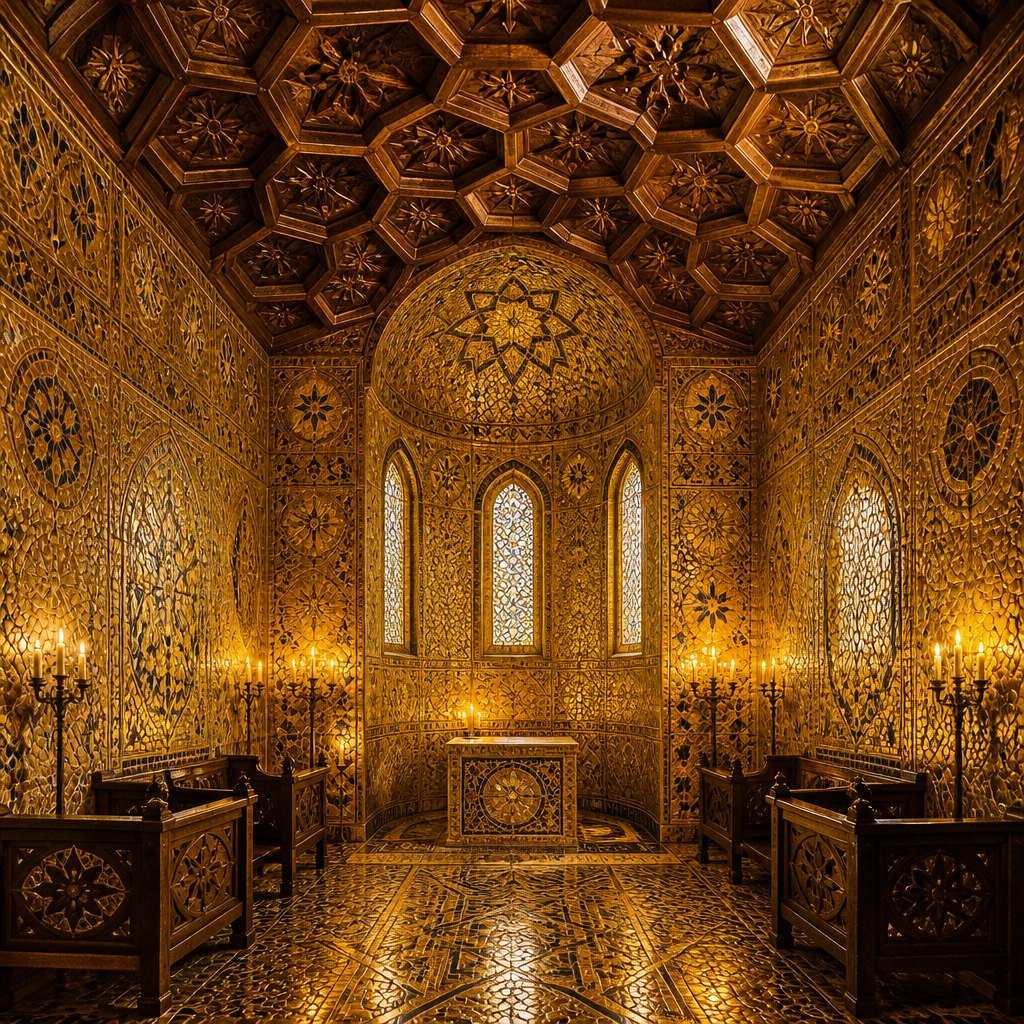
This example was generated from a prompt like: “A small church interior lined floor to ceiling in gold-ground mosaic geometric and floral patterns, glowing tesserae catching candlelight beneath an ornate honeycomb wooden ceiling of interlocking carved cells.”
Open the Palermo Art Style generator →The place today
Palermo Cathedral, the Cappella Palatina, and the Martorana remain active churches open to visitors, their mosaics intact after nine centuries. Monreale's cathedral and cloister, a short trip outside the city, hold the largest surviving cycle. Giacomo Serpotta's stucco oratories, including the Oratorio di Santa Zita and Oratorio del Rosario di San Domenico, function today as small museums. The Palazzo Abatellis gallery holds the wider Sicilian collection connecting both eras.
Compose your own
Build figures against a flat gold ground rather than a painted sky or landscape, using small tesserae-like patches of color outlined in dark contour. Keep faces frontal, large-eyed, and solemn rather than naturalistic. For a Baroque stucco effect, work in a single pale, unpainted material, sculpting drapery and small figures in high relief so light and shadow alone create contrast. Combine pointed and rounded arches, edging them with alternating light and dark stone, the Norman-Arab striped signature. Let ornament cover every available surface rather than leaving neutral background space.
Frequently asked questions
What is Norman-Arab-Byzantine art?
A hybrid style produced in 12th-century Sicily under Norman kings, combining Byzantine gold-ground mosaic figures, Islamic muqarnas ceilings and arches, and Latin Romanesque church architecture in one building.
Who was Giacomo Serpotta?
A Palermo-born sculptor, 1656 to 1732, who specialized in unpainted white stucco decoration, filling the city's confraternity oratories with allegorical figures and reliefs instead of marble or fresco.
Where can the best Norman-Arab-Byzantine mosaics be seen?
The Cappella Palatina and Palermo Cathedral in the city itself, and Monreale Cathedral just outside it, all commissioned by 12th-century Norman kings and covered in gold-ground mosaic.
Why does Palermo have two very different artistic peaks?
Its role as a wealthy multicultural capital under Norman rule in the 1100s, and later as a prosperous Baroque city with competing religious confraternities around 1700, each drove concentrated investment in church decoration.