 Art
Art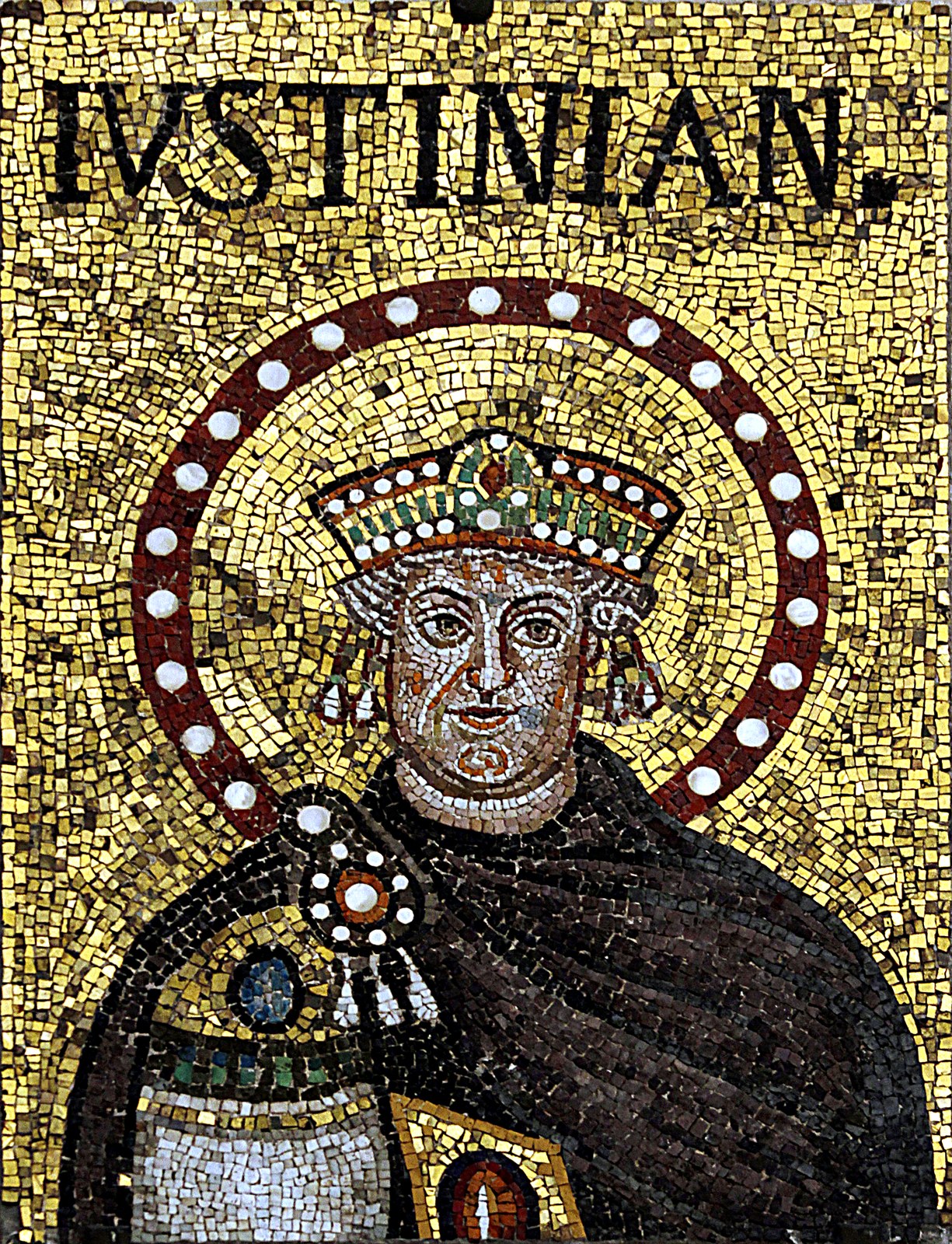
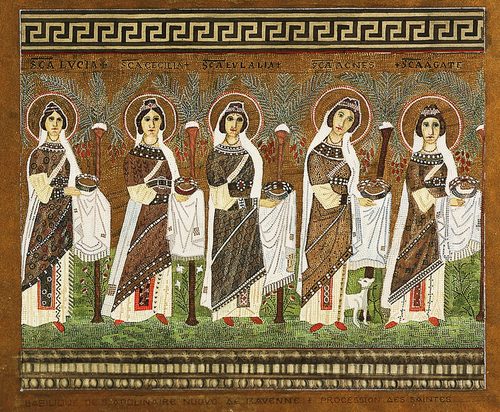
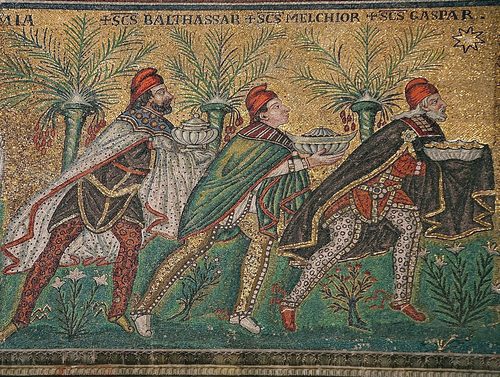
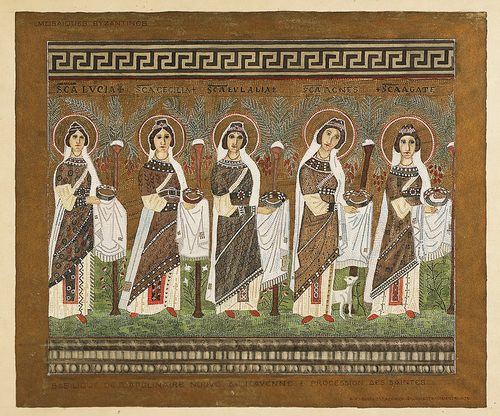
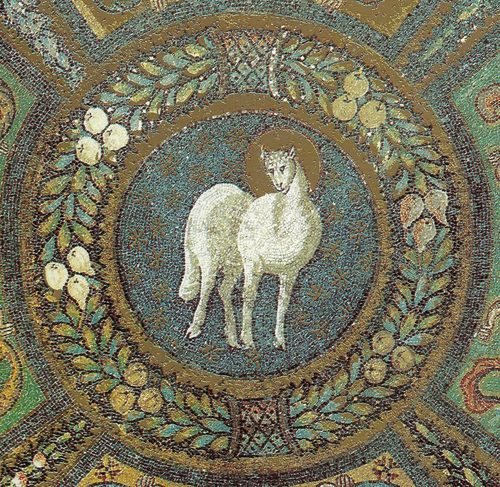
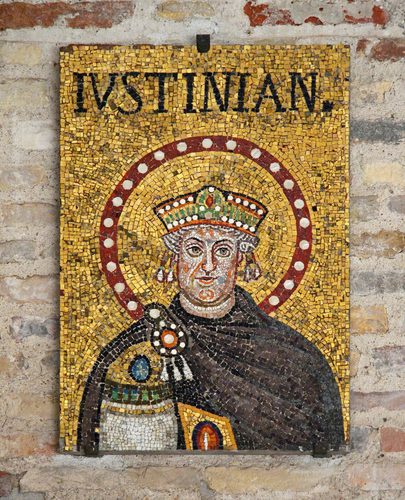
Ravenna became an art capital by political accident: named capital of the Western Roman Empire in 402 as Rome fell to invasion, then held as the seat of the Ostrogothic king Theodoric and later the Byzantine Exarchate of Italy until 751. Each government invested in its churches with the technical resources of a capital city, deploying glass and gold-backed tesserae far beyond what an ordinary provincial mosaic workshop could produce. The result is a run of unbroken brick basilicas and mausolea whose plain exteriors give no hint of the interiors, walls and vaults sheathed floor to ceiling in mosaic scenes of shepherds, saints, and reigning emperors. Patrons ranged from the imperial widow Galla Placidia in the 5th century to the Byzantine emperor Justinian in the 6th, each using mosaic to assert legitimacy in a city between a dying Western Rome and a rising Constantinople. Because Ravenna was never rebuilt on the same scale afterward, its mosaics survived largely undisturbed, making it the most complete surviving record of early Christian and Byzantine art in Italy.
What marks the region
Glass over stone tesserae
Ravenna workshops used colored and gold-backed glass cubes rather than stone, achieving richer color and reflective light beyond the reach of the older Roman mosaic tradition.
Angled tesserae
Individual glass pieces were set at slight, deliberate angles so lamplight or daylight scattered unevenly across the surface, producing a visible shimmer rather than a flat sheen.
Plain exteriors
Basilica exteriors were left as unadorned brick, with all decorative investment reserved for interior walls, a deliberate contrast between the plain and the revealed.
Narrative procession friezes
Long horizontal bands of figures march in single file toward the altar, a compositional device used to draw the eye and the body forward through the nave.
Star-strewn vaults
Small domed or barrel-vaulted ceilings carry deep blue backgrounds scattered with gold stars, representing the night sky as an eternal, unchanging heaven.
Imperial portrait panels
Reigning rulers and their courts appear as mosaic figures directly within the sanctuary, placing contemporary political authority beside sacred imagery.
Local signatures
How to spot Ravenna art
- Gold star-studded blue vault
- → An eternal night sky standing for heaven, used above tombs and small chapel ceilings.
- Beardless youthful Christ
- → An early Ravenna depiction of Christ as a shepherd or young man, preceding the bearded type that later became standard.
- Procession of robed figures
- → Martyrs or virgins carrying crowns, moving in file toward Christ or an enthroned Mary at the nave's end.
- Justinian and Theodora panels
- → The reigning Byzantine emperor and empress shown with court and clergy, asserting imperial authority in reconquered Italy.
- Peacock
- → A recurring border motif standing for resurrection and immortality in early Christian decoration.
- Lamb on a jeweled hill
- → A symbolic stand-in for Christ, used before direct human figuration became the accepted norm.
The story
Ravenna became capital of the Western Roman Empire in 402 under Honorius, as the imperial court fled the threat to Rome. Galla Placidia's mausoleum, built around 425-450, dates from this period. The Ostrogothic king Theodoric captured Ravenna in 493 and made it his capital, building Sant'Apollinare Nuovo around 504-526. Byzantine forces under Belisarius retook the city in 540, and it became seat of the Byzantine Exarchate of Italy. San Vitale, funded partly by the banker Julianus Argentarius, was consecrated in 547 under Bishop Maximian, followed by Sant'Apollinare in Classe in 549. Lombard forces ended Byzantine rule in Ravenna in 751. The city was never rebuilt on the same scale afterward, and its mosaics survived largely intact; eight monuments were jointly inscribed as a UNESCO World Heritage Site in 1996.
Masterpieces of the place
| Work | Artist | Date | Why it matters |
|---|---|---|---|
| Mausoleum of Galla Placidia mosaics | Unknown | c. 425-450 | A small cross-shaped chapel with deep blue, gold-starred vaults among the earliest surviving mosaics in the city. |
| San Vitale mosaics | Unknown | 547 | Imperial panels of Justinian and Theodora flank the altar, asserting Byzantine authority in reconquered Italy. |
| Sant'Apollinare Nuovo mosaics | Unknown | c. 504-526 | Built under Ostrogothic king Theodoric, its long processions of saints line the nave in glowing gold ground. |
| Neonian Baptistery dome mosaic | Unknown | c. 450-475 | A central dome mosaic showing an early, beardless depiction of a baptism scene, among the city's oldest. |
| Sant'Apollinare in Classe apse mosaic | Unknown | 549 | A symbolic transfiguration scene using a jeweled cross rather than a direct figure of Christ. |
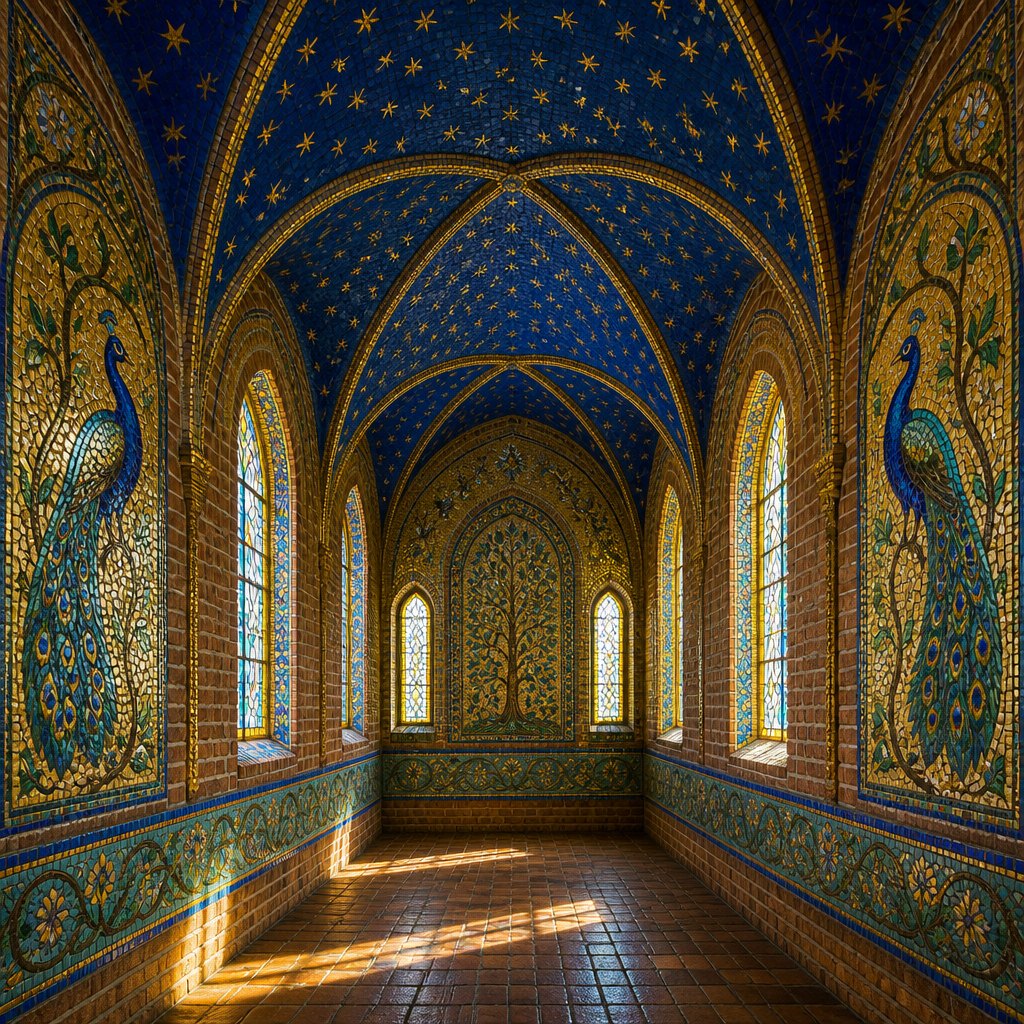 AI-generated
Work en plein air
Paint in the light of Ravenna
This example was generated from a prompt like: “An empty brick chapel interior, its deep blue vaulted ceiling scattered with small gold stars, walls sheathed in glowing glass mosaic borders of peacocks and vines, no figures, only pattern and light.”
Open the Ravenna Art Style generator →The place today
Eight of Ravenna's monuments, including the Mausoleum of Galla Placidia, the Neonian Baptistery, San Vitale, and Sant'Apollinare Nuovo, were jointly inscribed as a UNESCO World Heritage Site in 1996 and remain open within the modern city. The National Museum of Ravenna displays related artifacts. A local mosaic-making tradition continues through workshops and an annual mosaic exhibition, keeping the glass tesserae technique in active practice.
Compose your own
Set flat, frontal figures against a solid gold or deep blue ground rather than a receding landscape. Build forms from small, distinct tesserae rather than blended brushwork, tilting them slightly so an implied light source makes the surface shimmer instead of sitting flat. Keep proportions elongated and expressions calm and unindividualized. Reserve deep blue starred vaults for ceilings and gold ground for sanctuary walls. Leave any exterior surface plain brick or stone, since the convention concentrates all decorative ambition inside, saving the visual impact for the moment of entry.
Frequently asked questions
Why does Ravenna have so many Byzantine mosaics?
It served as capital of the Western Roman Empire from 402, then the Ostrogothic kingdom, then the Byzantine Exarchate of Italy until 751, and each government funded church mosaics to assert its authority.
What makes Ravenna's mosaics technically distinct?
Workshops used colored and gold-backed glass tesserae rather than stone, set at slight angles to catch and scatter light, producing color and shimmer ancient stone mosaic could not match.
What is the Mausoleum of Galla Placidia?
A small 5th-century burial chapel in Ravenna, its interior covered in deep blue, gold-starred mosaic vaults, among the earliest and best-preserved decoration in the city.
Are Ravenna's monuments protected today?
Eight of Ravenna's early Christian and Byzantine monuments were jointly inscribed as a UNESCO World Heritage Site in 1996, recognizing their exceptional and largely undisturbed preservation.